

Securing safe water for communities in Africa
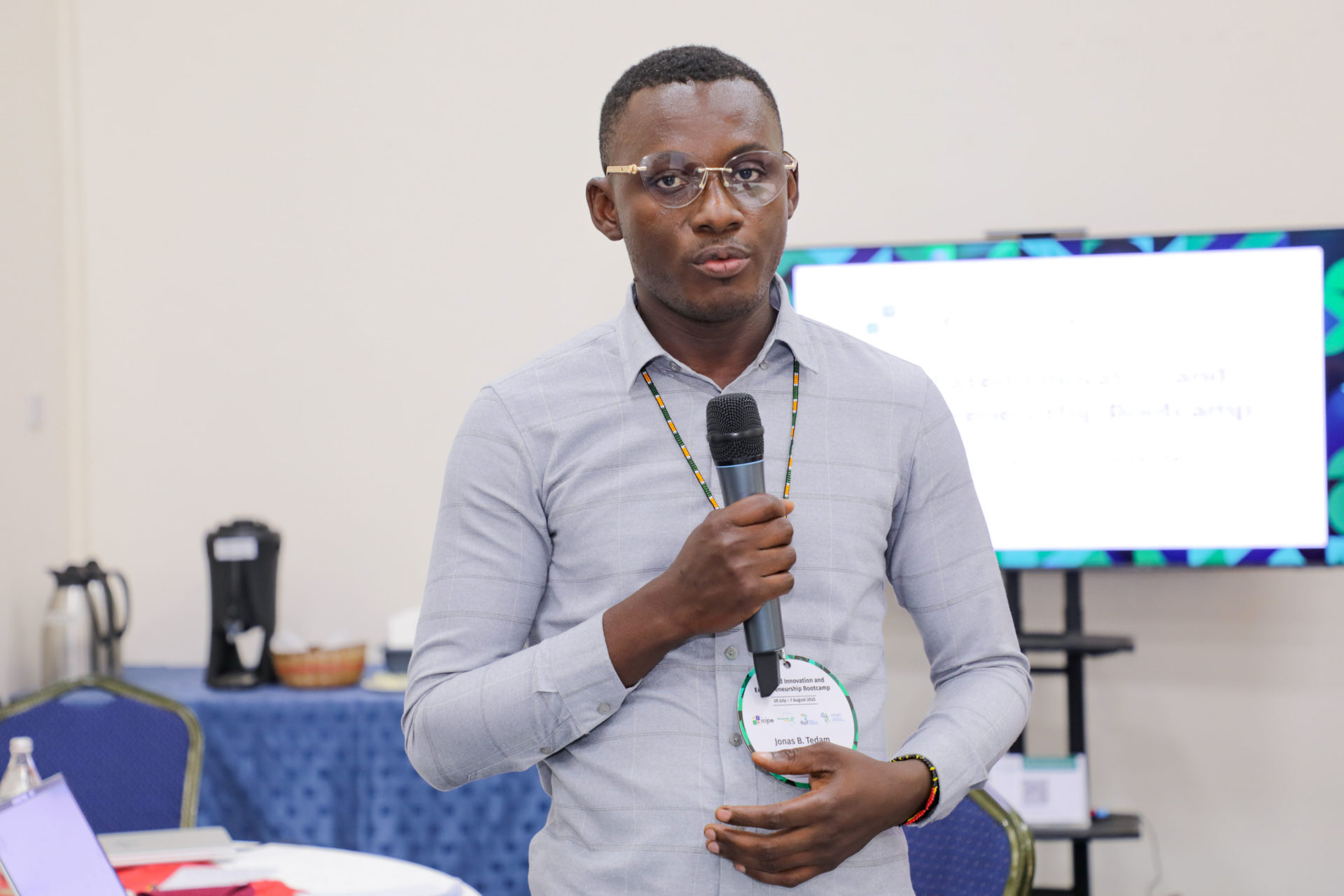
On this year’s World Water Day marked on March 22, 2025, we spoke with Dr Jonas Bayuo, a Partnership for Skills in Applied Sciences, Engineering and Technology (PASET) – Regional Scholarship and Innovation Fund (Rsif) scholar from Ghana. International Centre of Insect Physiology and Ecology (icipe) is the Regional Coordination Unit of PASET-Rsif. Dr Bayuo earned his PhD at the Nelson Mandela African Institution of Science and Technology (NMA-IST) in Arusha, Tanzania. His PhD was in Minerals, Mining, and Materials Engineering. He did his sandwich placement at Seoul National University in Korea which is one of the International Partner Institutions of PASET-Rsif. He focused his research on innovative methods to remove toxic heavy metals from water using low-cost, sustainable materials—work that earned him an Rsif Junior Investigator Research Award (JIRA) for his project on remediation of heavy metals in industrial wastewater using agricultural waste materials as sorbents—which he now advances as a lecturer and researcher at C. K. Tedam University of Technology and Applied Sciences in Navrongo, Ghana. His work contributes practical solutions for wastewater treatment and environmental protection in Africa.
Here is the interview:
Q: On the occasion of World Water Day, what message would you like to share about the importance of investing in African-led research and innovation to address water pollution and ensure safe water for communities across the continent?
A: Water is the foundation of life, yet millions across Africa still lack access to safe water due to pollution, climate change, and inadequate infrastructure. This has led to widespread preventable diseases like cholera and typhoid. Past solutions have often relied on external interventions that fail to address the diverse and context-specific water challenges across the continent. It calls for a shift toward locally grounded approaches that reflect the realities of African communities.
Investing in African-led research and innovation is essential for sustainable water solutions. Local scientists and innovators are already developing practical and affordable technologies tailored to their environments, which are more likely to be accepted and maintained by communities. Strengthening institutions, increasing funding, supporting policies, and amplifying African voices globally are critical steps. By empowering local expertise and engaging communities, Africa can transform its water challenges into opportunities, ensuring safe water access, improved health, gender equality, and long-term resilience.
Q: What water contamination challenges in your community in Ghana inspired your research on removing arsenic and mercury from wastewater, and who are the communities most affected by these pollutants?
A: Artisanal and small-scale gold mining (“galamsey”) is a major source of water contamination in Ghana, introducing toxic heavy metals such as mercury and arsenic into rivers, groundwater, and surrounding ecosystems. An estimated 60 per cent of the country’s water bodies are polluted due to illegal mining activities, with key rivers—including the Pra, Offin, Ankobra, and Birim—heavily affected. The contamination spreads across communities, impacting not only water but also soils, crops, and aquatic life. As a result, an estimated 76 per cent of households are at risk of drinking contaminated water from polluted or unsafe sources. This widespread pollution increases human exposure through drinking water, food, and the environment, with particularly severe impacts in mining regions such as Obuasi, Konongo, Wassa Kayianko, and Asiakwa, where communities depend directly on these water sources.
The health and environmental consequences are serious, with arsenic linked to cancers and cardiovascular diseases, and mercury causing neurological damage, especially in vulnerable groups. These challenges have driven my research focused on developing affordable, locally adaptable solutions to remove heavy metals from contaminated water. Emphasis is placed on low-cost, sustainable technologies that communities can easily use and maintain, with the broader goal of restoring safe access to water, protecting livelihoods, and rebuilding trust in water resources across affected areas.
Unsafe water burden on women
Q: The theme this year highlights the link between water and gender equality. How can your research on removing toxic metals from wastewater help address the disproportionate burden that unsafe water places on women and girls in communities across Ghana and Africa?
A: Unsafe water in Ghana and across Africa is not only a health and environmental issue but also a gendered one, as women and girls bear the primary responsibility for water collection and household use. When water is contaminated with toxic metals like arsenic and mercury, their presence poses greater health risks and time-consuming challenges, limiting opportunities for education and economic activities. My research addresses these inequalities by improving water quality at the community level, reducing health risks, and bringing safe water closer to households, thereby easing the physical and time demands placed on women and girls.
My research also promotes gender empowerment by creating opportunities for women’s involvement in water treatment systems, including operation, maintenance, and local production of materials. Women’s participation ensures solutions are practical, culturally appropriate, and sustainable, while also fostering skills development and leadership. Improved water access further supports girls’ education and overall community well-being. Locally driven water innovations can reduce gender disparities, enhance dignity, and contribute to more equitable and resilient societies.
Q: How does your hybrid activated carbon reactor work to remove toxic metals such as arsenic and mercury from wastewater, and why could this solution be particularly suitable for African communities facing water pollution?
A: The hybrid activated carbon reactor is an efficient and practical system designed to remove toxic heavy metals such as arsenic and mercury from contaminated water. It operates by using activated carbon, a highly porous material with a large surface area that traps metal ions through absorption. The “hybrid” aspect comes from integrating additional treatment features, including chemical modification of the carbon to enhance its affinity for specific metals, pre-filtration to remove suspended particles, and controlled flow conditions to ensure sufficient contact time. These combined processes improve removal efficiency, allowing arsenic to be converted into more easily adsorbed forms and mercury to be strongly bound and immobilised.
Beyond its technical effectiveness, the reactor is particularly suited to African contexts due to its affordability, simplicity, and adaptability. Activated carbon can be produced locally from agricultural waste, reducing costs and reliance on imports, while the system itself requires minimal technical expertise to operate and maintain. Its scalable design allows use at household, community, or larger treatment levels, and its environmentally friendly approach minimizes secondary pollution. Overall, the reactor represents a sustainable, locally relevant solution that empowers communities to manage water contamination and improve access to safe, clean water.
The role of capacity building
Q: How did the support from the PASET-Rsif shape your research journey and enable you to develop this solution?
A: The support from the PASET-Rsif has been pivotal in enabling the development of the hybrid activated carbon reactor for removing heavy metals from wastewater. Financial assistance provided the stability needed to focus fully on research, covering tuition, laboratory work, and field studies, while access to advanced tools improved analytical precision. Beyond funding, the program fostered an enriching academic environment through mentorship, collaboration, and exposure to a network of African Host Institutions (AHUs), which helped refine the research to align with global standards while remaining locally relevant.
Additionally, PASET-Rsif strengthened technical expertise through training, workshops, and conferences, enhancing skills in water quality analysis, material modification, and reactor design. Field engagement with affected communities ensured the research addressed real-world challenges, shaping a solution that is affordable, scalable, and practical. The program also inspired a sense of responsibility and leadership, reinforcing the importance of African-led innovation in addressing environmental issues. Ultimately, the support transformed the research into a solution-oriented effort with tangible potential to improve access to safe water across Africa.
Q: What role did the research environment and mentorship at the Nelson Mandela African Institution of Science and Technology (NM-AIST) in Tanzania play in strengthening your scientific capacity and advancing this work?
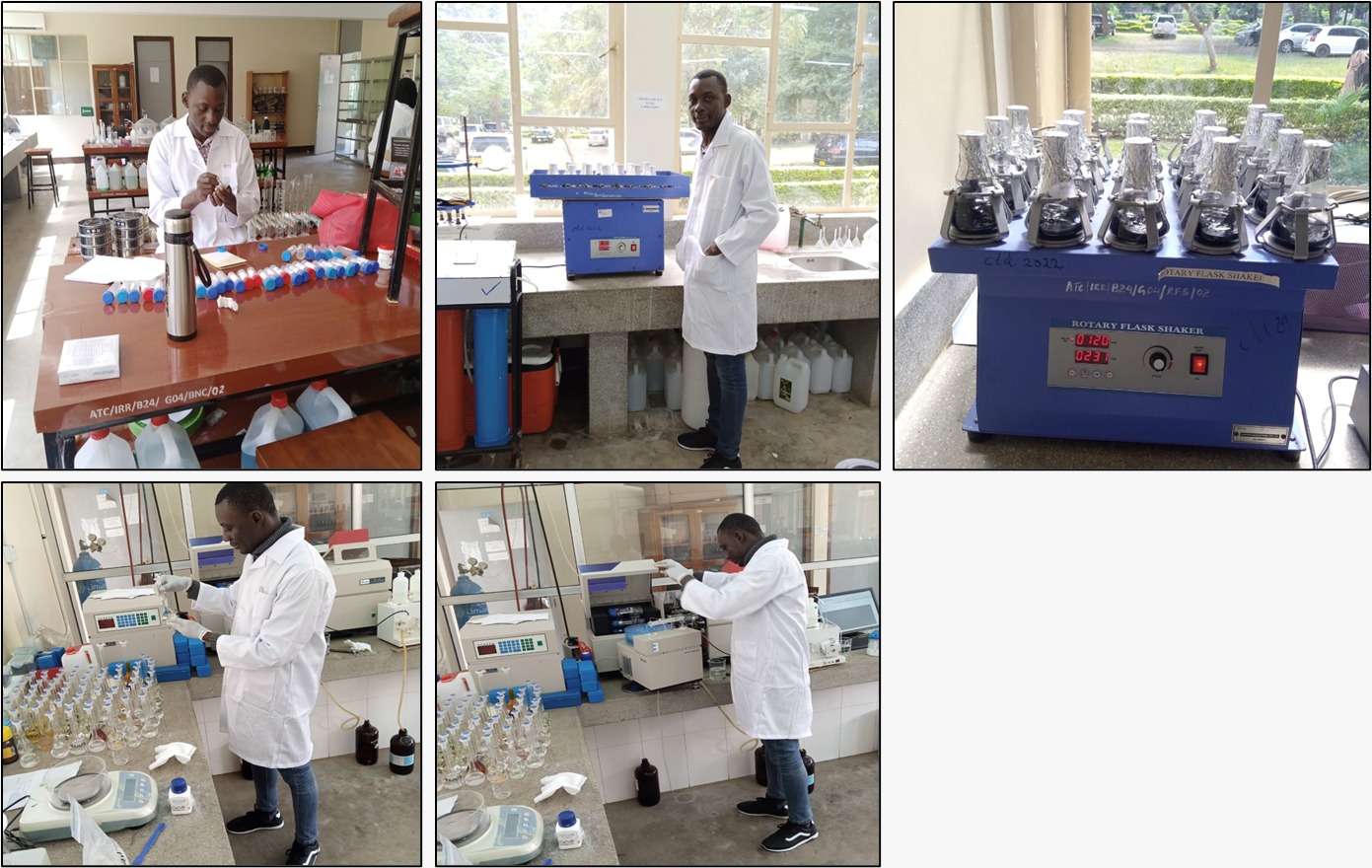
A: The research environment at NM-AIST has been instrumental in advancing work on the hybrid activated carbon reactor and strengthening scientific capacity. Its rigorous, research-driven setting, supported by well-equipped laboratories and advanced analytical tools, enabled in-depth study of water quality, adsorption mechanisms, and material performance. The institution’s interdisciplinary approach, bringing together expertise in chemistry, environmental engineering, materials science, and public health, fostered collaboration and innovation, which was critical in developing an efficient wastewater treatment system.
Equally impactful was the mentorship received, which provided both technical and intellectual guidance. Mentors encouraged deeper scientific inquiry, refined experimental design, and emphasized the importance of aligning research with real-world needs, particularly affordability, scalability, and community relevance. Beyond technical training, the environment cultivated independence, creativity, and a Pan-African perspective, reinforcing the importance of adaptable solutions for diverse contexts. Overall, the combination of strong mentorship and a dynamic research ecosystem transformed the work into a solution-oriented effort aimed at addressing water pollution and improving access to safe water across Africa.
Water management policies
Q: What steps are needed to translate your research into practical solutions for communities and inform water management policies in countries like Ghana and across Africa?
A: Translating research on heavy metal removal into practical solutions and policy impact requires a structured, inclusive pathway that connects laboratory innovation with real-world application. A key first step is pilot testing in affected communities to validate performance under actual conditions and refine the technology. This must be paired with strong community engagement, ensuring that solutions are co-created, culturally appropriate, and sustainably maintained. Scaling up then depends on local manufacturing and partnerships, using accessible materials to reduce costs and create economic opportunities, while rigorous performance validation ensures compliance with national and international water quality standards.
For meaningful policy impact, research must be effectively communicated to decision-makers through clear, actionable outputs and active engagement with regulatory institutions. Integrating the technology into national water strategies, supported by sustainable financing models and capacity building, is essential for long-term adoption. Additionally, regional collaboration across Africa can accelerate knowledge sharing and adaptation of solutions to similar contexts. Together, these steps create a pathway that not only bridges science and society but also enables scalable, locally grounded solutions to address water pollution challenges.
Dr Bayuo envisions an Africa where clean, safe water flows for every community—powered by local innovation, sustained by knowledge, and accessible to all. In Ghana, however, the reality is starkly different. Hundreds of communities are directly affected by illegal mining, which has led to heavy metal pollution in water bodies, threatening both public health and environmental sustainability. He concludes the interview saying, “Therefore, my innovation is not just a technology; it is a pathway to restoring water, health and dignity for millions in Ghana”.