

More women in science, PASET-Rsif advancing STEM
The International Day of Women and Girls in Science this year is marked to celebrate women shaping a future where science and gender equality advance together. This year the focus shifts from recommendations and reflection to showcasing existing good practices and solutions for building more inclusive Science, Technology, Engineering and Mathematics (STEM) ecosystems.
According to UNESCO factsheet, women continue to represent less than one-third of the world’s researchers and 35 per cent of STEM graduates. This is despite the access to higher education globally. These figures highlight a need for more women in STEM to boost innovation, economic growth, and inclusive development particularly in Africa.
For many women and girls across Africa, the journey into applied science, engineering, and technology fields requires financial support, access to quality training and mentorship. Making these opportunities available to women would increase the representation of women in STEM including at senior research roles.
A 2020 study by the African Academy of Sciences showed that women’s success in STEM was influenced by several factors that reinforce each other at various levels including at the individual, family, societal and the work environment.
But when all the barriers are removed, the results are transformative not only for the individuals but for Africa as a continent. The Partnership for skills in Applied Sciences, Engineering and Technology (PASET) – Regional Scholarship and Innovation Fund (Rsif) programme at the International Centre of Insect Physiology and Ecology (icipe) makes deliberate efforts at increasing women participation in STEM. PASET-Rsif provides talented African women the financial support for high quality doctoral training at 15 African Host Universities (AHUs) which are also World Bank Centres of Excellence to pursue advance research in priority STEM disciplines. Out of the 301 PhD scholars across Africa, 36 per cent are women. And out of the 85 scholars who have graduated, 30 are female.
PASET-Rsif has made deliberate and sustained efforts to ensure greater participation of women in each cohort when calls are rolled out through intentional outreach.
The programme has also intentionally designed its communication strategies to encourage more women to apply besides working with partner institutions and other networks to reach out to qualified female candidates across sub-Saharan Africa.
And beyond recruitment which goes through an independent panel, PASET-Rsif has been keen on fostering an enabling environment that is gender inclusive to support the women scholars throughout their academic journey. PASET-Rsif is also intentional about gender-responsive policies and practices that ensure equal opportunities in advancing their research. Besides, there are protective measures put in place to create safe learning environments – safeguard trainings across all our African host institutions to guard against sexual harassment and gender violence. All the efforts are aimed at ensuring women scholars not only access quality PhD training but also thrive in an enabling environment towards their professional advancement.
PASET Rsif also provides targeted capacity building initiatives through structured research training, mentorship and professional skills development workshops delivered throughout the PhD programme to enable all the scholars to succeed.
The women who have been trained through PASET-Rsif have emerged as research leaders, lecturers, and innovators in various institutions within their countries. They are also mentoring young girls, influencing policy, and contributing research solutions to the challenges faced by their communities. Their presence challenges the common stereotype that “science is too tough for women”.
PASET-Rsif is already demonstrating that intentional investment in women’s education and creating an enabling environment for them advances STEM for socio-economic transformation.
As the world marks International Day of Women and Girls in Science, we hail some few PASET-Rsif supported female scientists from across the continent for their groundbreaking research work:
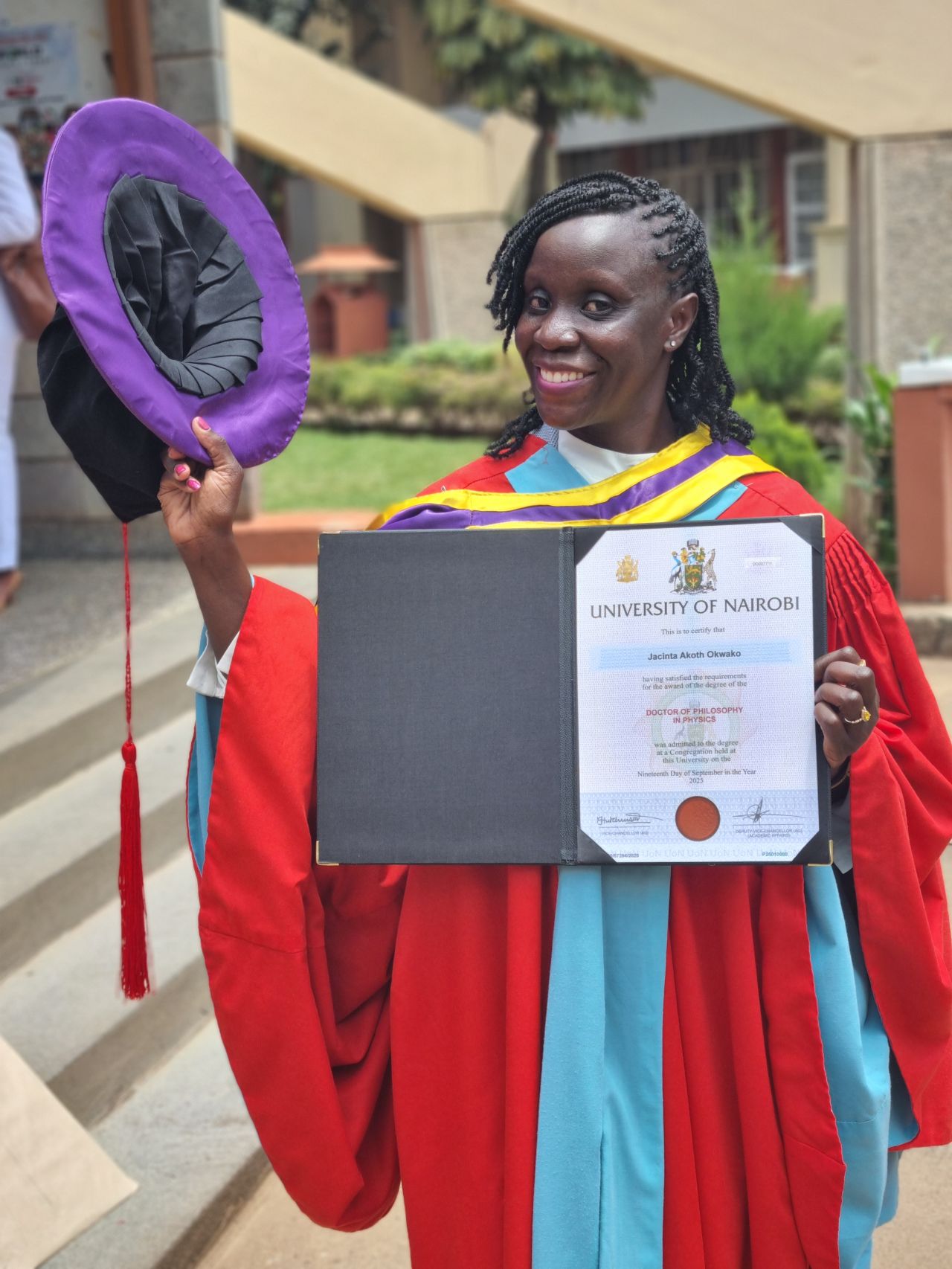
- Dr Jacinta Okwako who recently graduated from Nairobi University, Kenya. Her research topic was on ‘Fabrication of self-powered photo electrochromic device for smart window application’. The research by this Kenyan scientist will benefit the country by promoting energy efficiency thus harnessing solar power in most homes reducing reliance on conventional energy sources and decreasing greenhouse gas emissions. It would also create employment for the African youth.
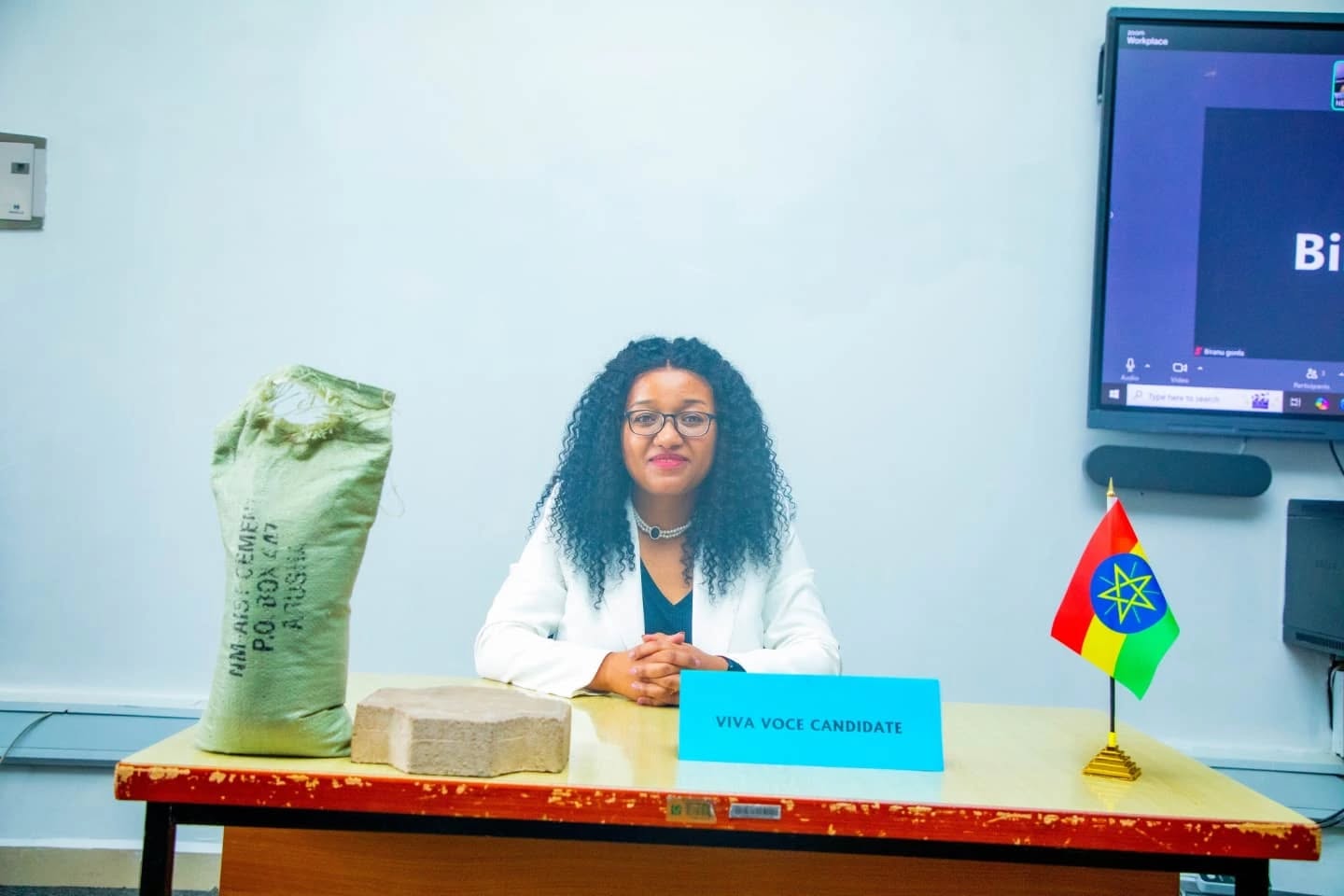
- Dr Tsion Amsalu who completed her doctoral studies from Nelson Mandela African Institute of Science and Technology, Tanzania is an Ethiopian scholar whose research was on ‘Investigation on bentonite as partial replacement in the Portland Pozzolana cement production in concrete containing sisal and waste nylon fibers’. This would not only create affordable construction cost but also utilize waste materials to reduce pollution. It would also empower communities to utilize locally available materials to boost their economy.
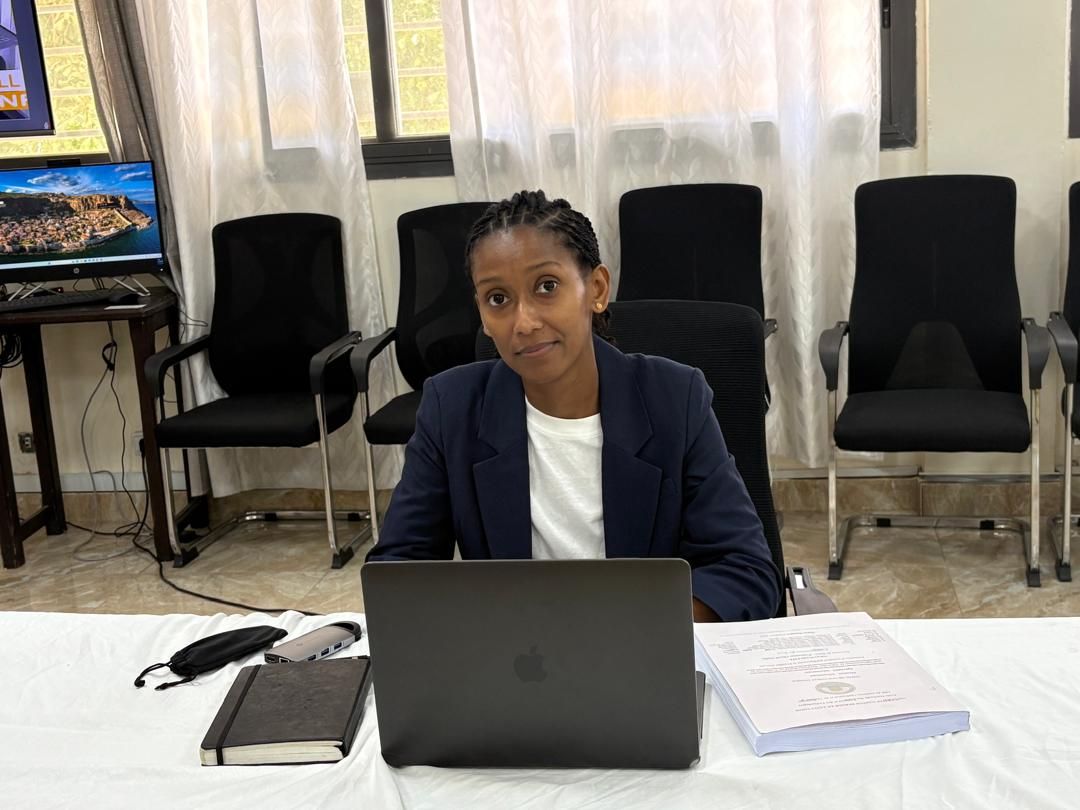
- Dr Ndeye Penda Fall is a Senegalese scholar who recently completed her studies at the University of Gaston Berger, Senegal. Her research focus was on ‘Optimisation in LoRaWAN mobility in IoT’. This research work would go a long way in improving network coverage in both rural and urban areas thus bridging the digital divide. Optimized IoT networks can also support smart transportation and waste management in urban areas.
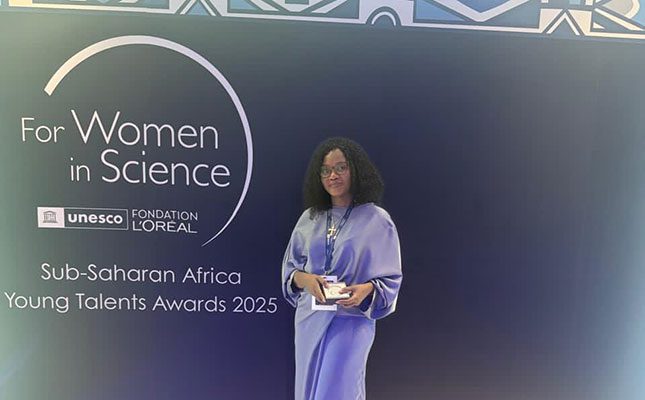
- Tamara Jose Sande is a Mozambican Rsif scholar undertaking her doctoral studies at Sokoine University of Agriculture, Tanzania. Her research on soil science and plant nutrition to improve potato production in Mozambique through integrated nutrient management would help promote environmentally responsible soil and nutrient management practices that are affordable to smallholder farmers in her community. She was among the four Rsif scholars recognised by L’Oréal-UNESCO For Women in Science Young Talents Programme in Sub-Saharan Africa 2025.
These few examples from PASET-Rsif indicate that if women are supported with resources, enabling environment and inclusive policies to pursue sciences, they would unlock solutions to global challenges creating a more prosperous and equitable future.