

International Day of Plant Health: PASET-Rsif scholar strengthening cowpea nutrition in Benin
On this International Day of Plant Health, celebrated under this year’s theme “Plant Biosecurity for Food Security,” we spotlight Partnership for Skills in Applied Sciences, Engineering and Technology (PASET) – Regional Scholarship and Innovation Fund (Rsif) alumnus Dr Frejus Ariel Kpedetin Sodedji from Benin, whose work reflects the vital link between healthy crops, healthy people, and healthy ecosystems. PASET-Rsif is managed by the International Centre of Insect Physiology and Ecology (icipe) as the Regional Coordination Unit.
During his PhD training at Université Félix Houphouët-Boigny, Côte d’Ivoire, Dr Sodedji’s research focused on genetic diversity and optimization for increased carotenoid biosynthesis in cowpea (Vigna unguiculata (L.) Walp)—a study with strong potential to enhance nutrition and strengthen the resilience of this key African staple.
He currently works for the TAGDev 2.0 Programme at the National University of Agriculture (UNA), Benin and a member of the Non-Timber Forest Products (NTFPs) and Orphan Crops Unit at the Laboratory of Applied Ecology (LEA), University of Abomey-Calavi (UAC).
Dr Sodedji says the PASET-Rsif programme has strengthened his capacity as a scientist, researcher, and mentor working on plant health and food security in Africa. “Through PASET-Rsif support, I developed strong expertise in biotechnology, bioresources, biosafety, genetics, and crop improvement, while gaining valuable exposure at the KIST Gangneung Institute of Natural Products, Korea where I went for my sandwich placement under the programme, where I acquired an industry-oriented and ‘research park’ mindset,” he says.
He stated that participating in international and regional convenings under the programme was instrumental in strengthening his science communication and multi-stakeholder management skills. “These opportunities enabled me to engage with researchers, policymakers, development partners, private sector actors enhancing my ability to translate scientific research into practical interventions and policy-relevant actions.”
Rsif JIRA grant
“PASET-Rsif also continued supporting my professional growth beyond my doctoral training. In 2023, I was awarded a two-year project grant through the Rsif Junior Investigator Research Award (JIRA), which has accelerated my research and development interventions promoting mungbean production and utilization in Benin, contributing to sustainable agriculture, nutrition, and food security,” Dr Sodedji stated.
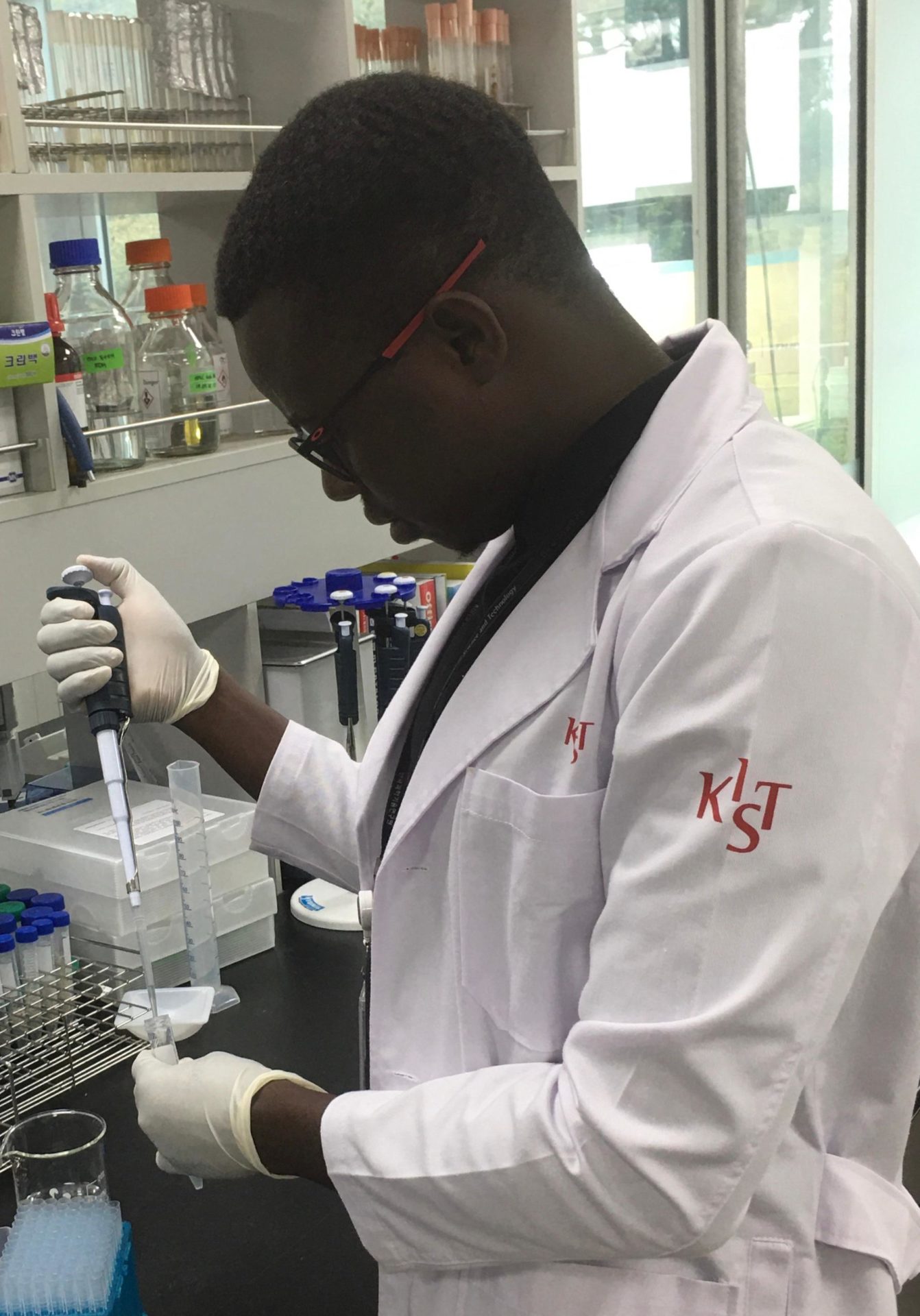
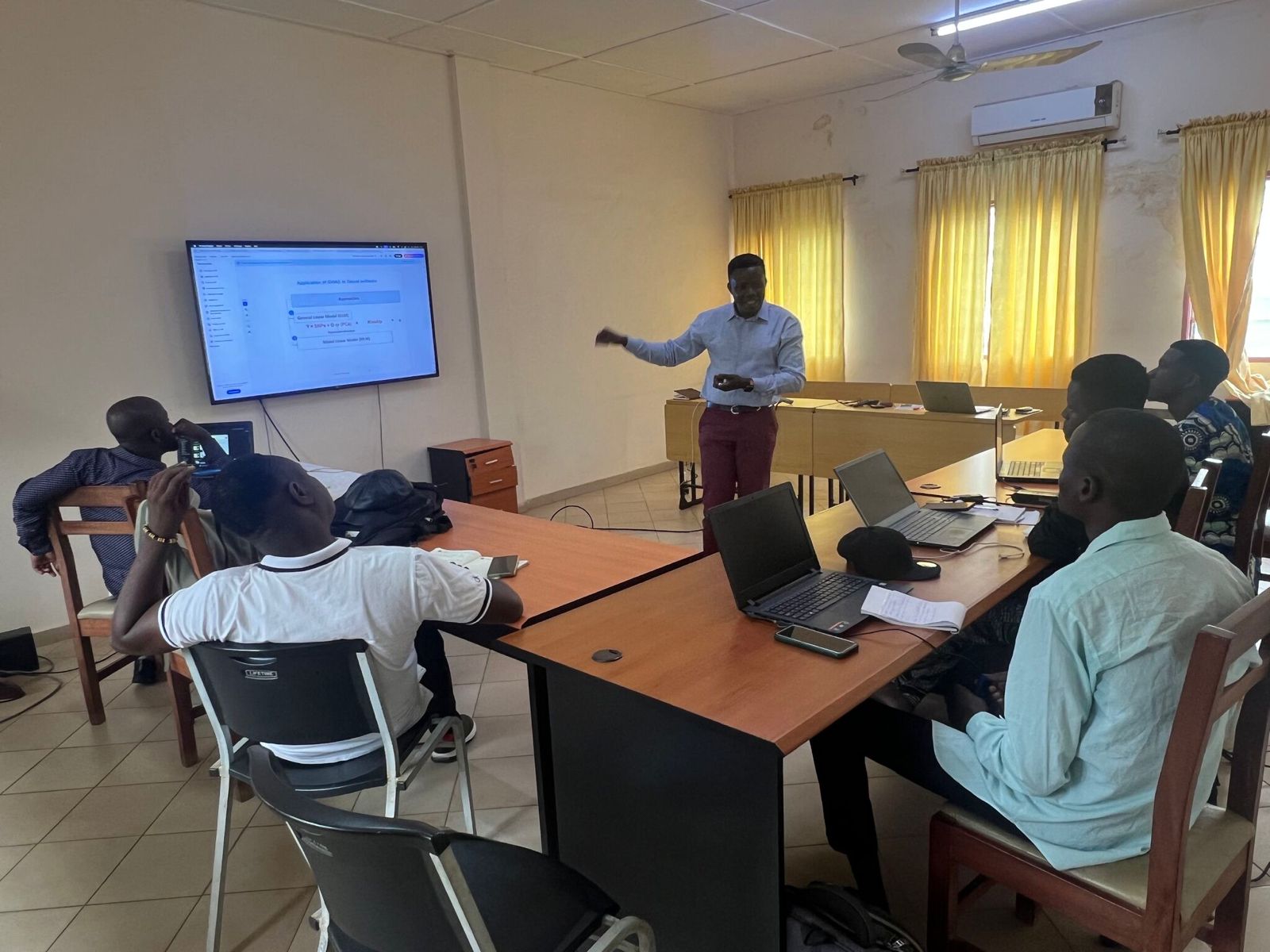
Since graduating in 2022, Dr Sodedji has continued to apply the knowledge, networks, and leadership skills gained through PASET-RSIF in his current roles. Four years after graduation, He has co-authored more than 12 scientific publications, mentored more than 20 young scientists, and supported thousands of farmers and other actors within agri-food systems in Benin through capacity-building in good climate resilient agronomic practices and seed system interventions. I have also actively engaged in knowledge management and multi-stakeholder consultations to inform policy actions at regional and continental levels.
Food security policies
Asked how his work contribute to stronger plant biosecurity and food security policies in Benin and across Africa, Dr Sodedji pointed out that his research in genetics and plant breeding contributes directly to strengthening plant biosecurity and food security policies not only in his country but across Africa by supporting the development of end-user-preferred, climate-smart crop varieties and improving access to quality seeds and healthy planting materials. He noted that, the complex and intertwined effects of climate change and ecosystem degradation are significantly increasing the burden of food insecurity across Africa. In this context, it is becoming increasingly important to develop ender-users preferred crop varieties that are not only high-yielding, but also resilient to changing environmental conditions, emerging pests and diseases, and declining ecosystem health.
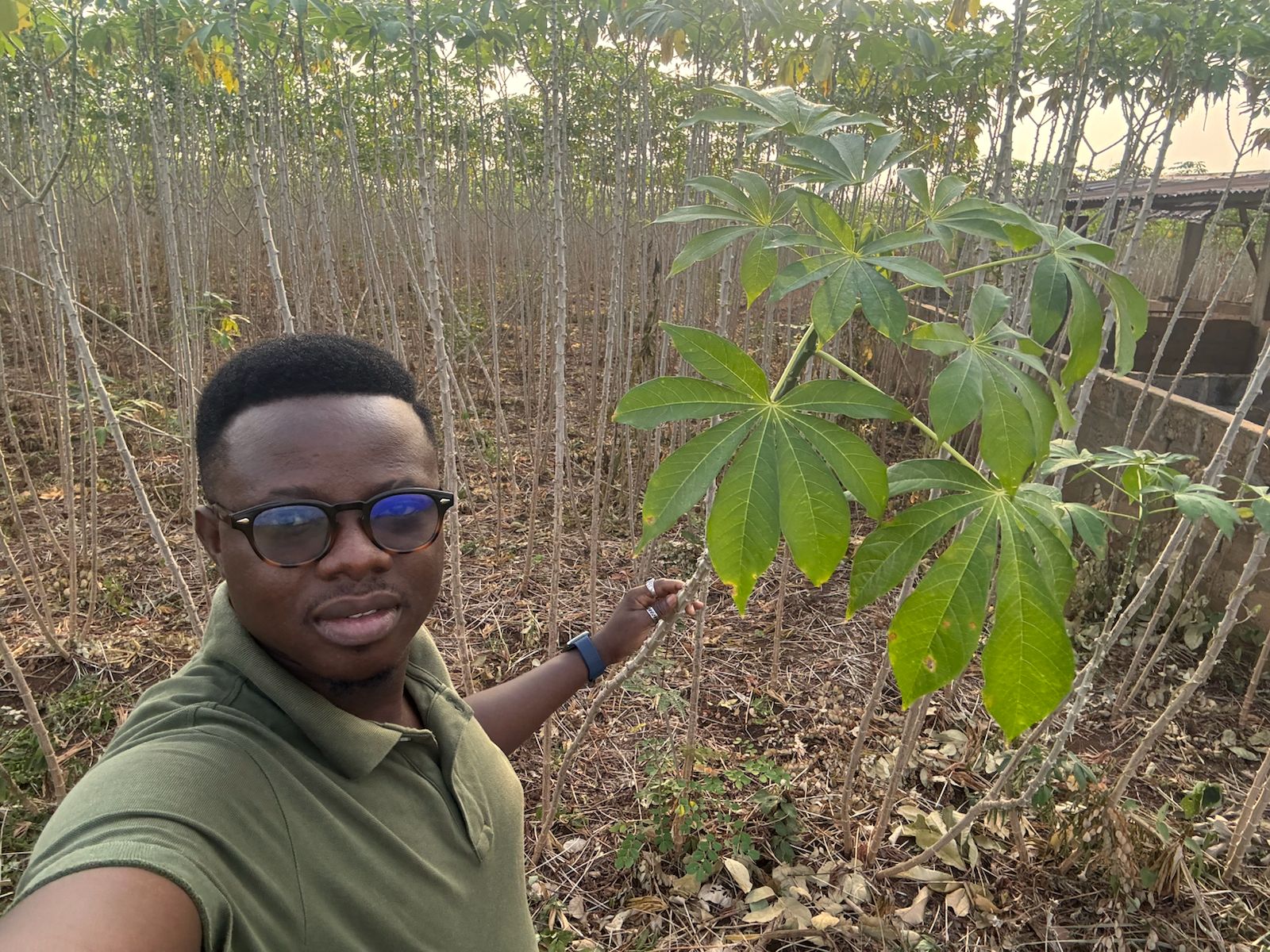
“Through plant breeding, disease- and pest-resistant, nutrient-enhanced, and climate-resilient crop varieties can be developed to strengthen agri-food systems diversification and improve the resilience of farming communities to climate and economic shocks. For example, my work on mungbean promotion in Benin contributes not only to food and nutrition security, but also to sustainable farming systems, we have identified some mungbean lines that showed superior performance and are preferred by farmers and can be used as a cover crop to improve soil fertility, reduce land degradation, and support climate-smart agriculture practices.”
Dr Sodedji’s work also contributes to plant biosecurity by promoting seed health, seed purity, and the use of quality planting materials. Raising awareness among farmers on the importance of certified seeds and healthy planting materials helps reduce the risks of spreading seed-borne diseases and pests while improving crop establishment and yields. “Through our work, we provide support to mungbean growers on the adoption of good agronomic practices, and to cassava seed growers on compliance with seed regulations and quality standards. These efforts help strengthen seed systems, improve surveillance and traceability, and reduce the circulation of contaminated or low-quality planting materials.”
His research also supports capacity building among farmers and other actors within crop value chains, helping bridge the gap between scientific innovation and field-level adoption. Through these contributions, scientific evidence and local experiences can better inform policies and interventions related to seed systems, crop improvement, biodiversity conservation, and climate-resilient agriculture across Benin and Africa.
Tackling pests and diseases
With nearly 40% of food crops lost annually to pests and diseases, Dr Sodedji believes these policy actions should be prioritized by African governments to better protect plant health: Establish robust early warning and surveillance systems at the national level, improve farmers’ access to quality and certified seeds through targeted subsidies and incentive schemes, strengthen human capital through training programs for farmers, extension agents, and plant health inspectors plus skilled scientists and finally invest in infrastructure and financial resources needed to support agricultural research, plant health regulation, and phytosanitary services at national level. At the regional level, they should facilitate the movement and exchange of improved crop varieties across borders and within regional frameworks, which calls for an integrated, politically united and economically connected Africa in line with the aspirations of AU Agenda 2063. They should also prioritize the establishment of risk-proportionate biosafety regulatory frameworks that accelerate the safe approval and deployment of innovative plant protection technologies.
Dr Sodedji further states that scientific research and universities could better support governments in developing evidence-based agricultural and plant health policies. To do this, universities must fully embrace their core mandate of research, training, innovation, and community engagement, and deliberately align these functions with key national and regional agricultural priorities. “Specifically, they should: Ensure that both graduates and innovations coming out of universities are responsive to the real needs of farmers, agribusinesses, and plant health systems, rather than remaining confined to academic silos. They should also move beyond the classroom and laboratory to co-create solutions with farming communities, regulatory bodies, and industry, ensuring that research outcomes are scalable, adoptable, and impactful at the national level and develop robust technology transfer offices and mechanisms that can package, license, and commercialize university-generated innovations.”
Dr Sodedji indicates that investing in young African scientists and higher education institutions is critical for advancing sustainable food security policies on the continent. “Higher Education Institutions (HEIs) are the continent’s most vital knowledge hubs. When properly supported, embedded within national development frameworks, and oriented toward a knowledge economy with clear returns on investment, they become the engines that generate the evidence, innovations, and human capital Africa needs to achieve sustainable food security.”
He says Africa cannot afford to continue underinvesting in its scientific talent therefore HEIs must be repositioned not as peripheral academic institutions, but as central drivers of economic growth, training future minds, supporting innovations developed by young scientists. “A university that cannot connect its research to policy, to the market, and to the farmer is not yet fully playing its role,” he opines adding that the continent’s food security will be secured when Africa’s own young scientists are empowered, retained, and recognized as co-architects of the policies and innovations that feed the continent.
He says regional collaboration on plant biosecurity can only work when researchers, universities, and governments each recognize themselves as key players and operate as such. This means governments must genuinely nurture and trust their local human capital, investing in their own scientists and institutions rather than defaulting to external expertise.
Allowing science and innovation move freely
He calls on African governments that are members of regional organizations to leverage these platforms strategically, mobilizing shared resources for collaborative research and aligning national biosecurity strategies with continental frameworks. Regional policies governing the exchange of plant varieties and technologies must be harmonized and strengthened to allow science and innovation to move freely across borders.
His message to policymakers and development partners is simple but urgent: ‘’Trust the scientists; train and retain human capital; and invest in African institutions as the foundation for stronger plant biosecurity and sustainable food security across the continent. My journey as an PASET-Rsif alumnus is proof that when Africa invests in its own scientists, provides enabling frameworks, and connects them to regional and international networks of excellence, they generate impactful research, practical innovations, and solutions rooted in African realities.’’
On this International Day of Plant Health, Dr Sodedji call is clear: ‘’The talent exists, and the commitment is growing. What Africa needs now is sustained investment in its people and institutions to transform that potential into lasting food security, resilient agri-food systems, and stronger plant biosecurity for all.’’