

Part 1. From results to sustainable impact: MozSkills legacy for Mozambique innovative future
Maputo – Mozambique is betting on a simple but powerful idea — that its future relies on young people equipped not just with knowledge, but with skills that can transform economies.
That message came into sharp focus in Maputo during the MozSkills Closeout Workshop organised by the Mozambique Ministry of Education and Culture, AutoridadeNacional de Ensino Professional (ANEP) in collaboration with the International Centre of Insect Physiology and Ecology (icipe) where government leaders, universities, researchers and development partners gathered to take stock of what has been achieved — and what must come next to sustain momentum in skills development, higher education and innovation.
The MozambiqueThe Mozambique Skills Development Enhancement Project (MozSkills) Project was launched in 2021 through a partnership between the Government of Mozambique and the World Bank. It seeks to strengthen skills development by investing about USD 6 million into the Partnership for Skills in Applied Sciences, Engineering and Technology (PASET)- Regional Scholarship and Innovation Fund (Rsif). Of that amount, USD 4 million supports 40 PhD scholarships, while USD 2 million funds 14 research and innovation projects led by Mozambican higher-education institutions.
The workshop held under the theme “From results to sustainable impact” showcased how investments through the MozSkills project and the Regional Scholarship and Innovation Fund (Rsif) are strengthening STEM education, technical training systems, research capacity and institutional performance across the country.
A national commitment to skills-driven transformation
Opening the discussions, Dr Edson Macuacua, Secretary of State for Science, Technology and Higher Education, set a firm tone: Mozambique’s development agenda, he stressed, depends on the ability of its education and training systems to produce graduates who are not only qualified, but relevant to the country’s evolving labour market and innovation needs.
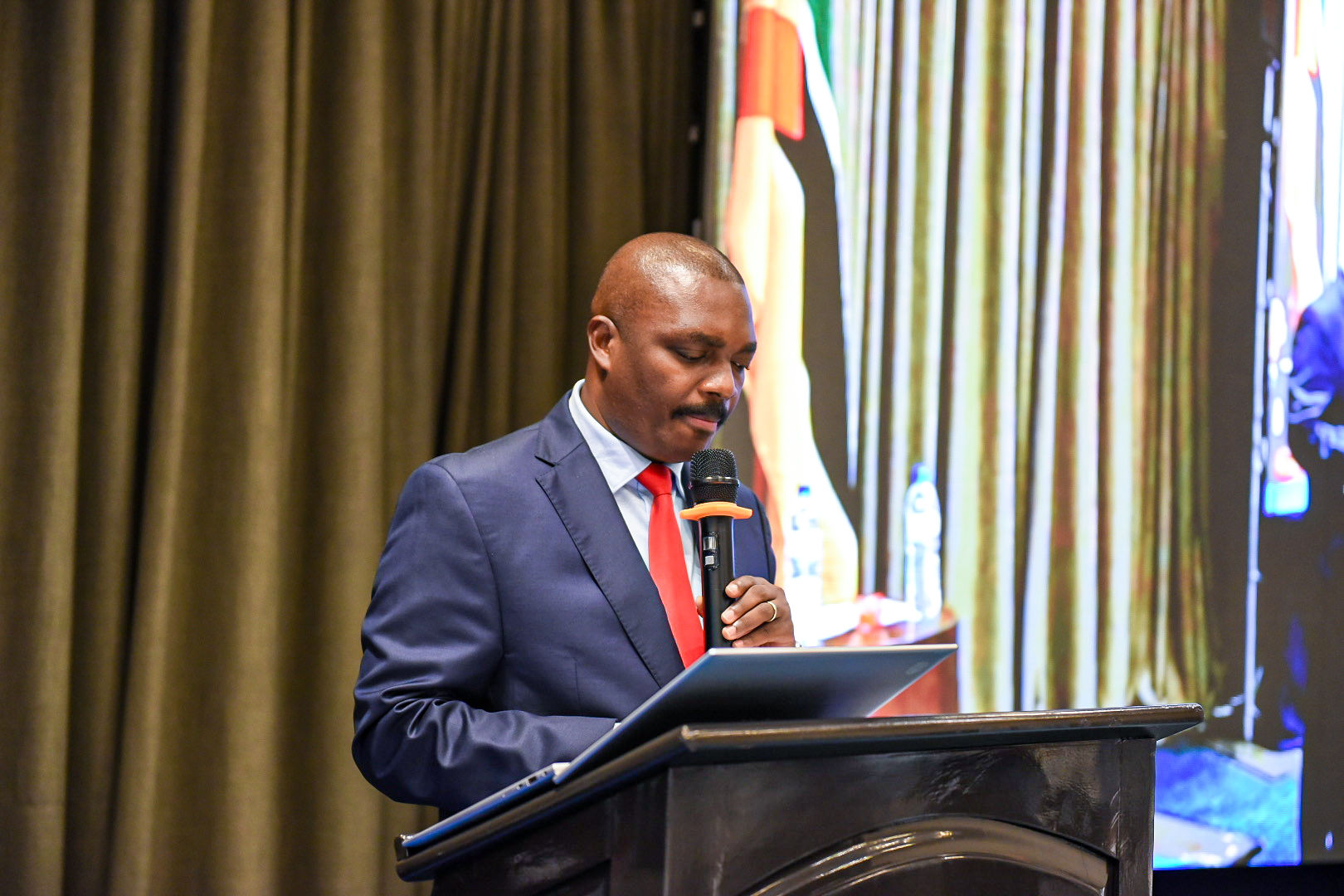
“MozSkills has proven that when political will is aligned with technical competence and international support, impact is real. Today’s theme, ‘From Results to Sustainable Impact,’ signals that we have moved beyond implementation and entered a phase of consolidating a legacy,” he stated.
His remarks framed skills development as a national priority anchored in transformation rather than routine reform.
“MozSkills is not just a financing line, but a catalyst for our national development strategy and a driver of innovation, skills development and institutional transformation.”
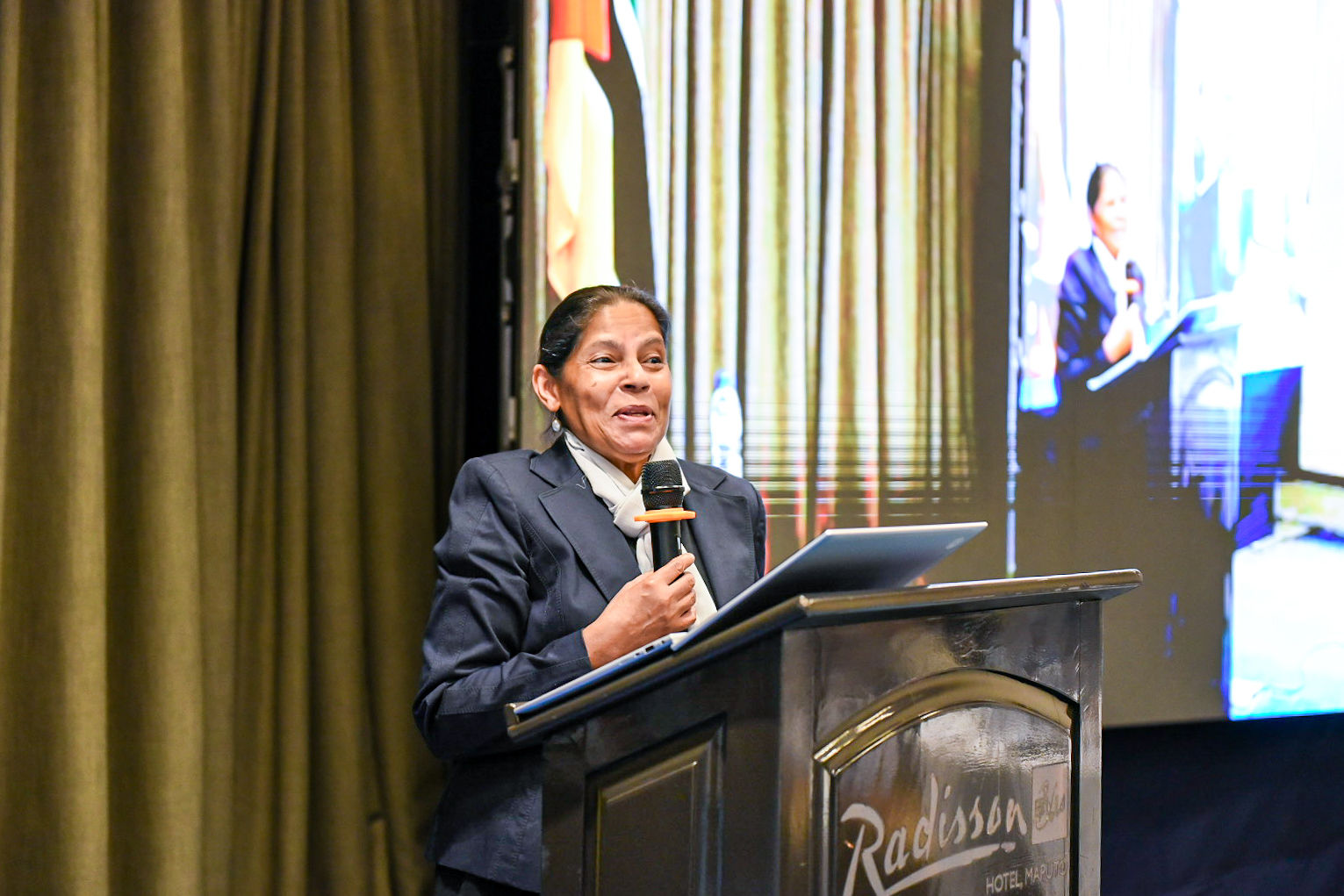
Building on that, Dr Ana Menezes, Senior Education Specialist at the World Bank in Mozambique, highlighted the importance of sustained investment in STEM capacity. “Strengthening human capital remains central to improving productivity, innovation and long-term economic resilience.”
As global evidence shows, developed economies have consistently relied on science, technology, engineering, and mathematics (STEM) education as a foundation for sustained economic growth (Bacovic, Andrijasevic & Pejovic, 2022), a reality that underscores Mozambique’s push to invest in skills development for its own growth trajectory.
A 2023 UNU-WIDER analysis shows that although Mozambique’s education system is already producing a pipeline of STEM students, the proportions remainvery small, underscoring the challenge of scaling STEM capacity. The good news is that part of this gap is being addressed through initiatives such as the PASET-Rsif programme, which is helping to strengthen STEM training and build a stronger pipeline of skilled researchers.
“First, MozSkills aimed to deliver important system-level foundations. The project has supported reforms and investments across TVET and higher education, from strengthening training institutions and developing industry-relevant qualifications, to improving quality assurance, expanding STEM capacity, and investing in research, innovation, and governance,” Dr Menezes stated.
She added that, “second, key results were achieved across main pillars. These results were made possible by strong government leadership and collaboration and strong commitment reflected through the steady delivery by beneficiary institutions. We sincerely thank the Government of Mozambique here represented by the State Secretary for Science and Higher Education, for her vision and commitment and in particular the implementing agencies—MEC, ANEP, MCTD, and icipe—for their commitment, and excellent coordination. This Implementers’ Forum is itself a testament to the strength of that collaboration and to the shared commitment to results.”
Dr Menezes also pointed out that the closing of the project is not the end, but rather the transition to the next phase. “MozSkills should be seen not as a standalone project, but as part of a broader, longer-term program of reform. Its sustainability depends on continued ownership, continued implementation, and continued partnership. The lessons learned and systems strengthened through MozSkills now provide the foundation for the newly approved Program on Skills for Employment and Economic Transformation in Mozambique Program under the Multi-Phase Programmatic Approach Program on Skills for Economic Transformation and Jobs in Eastern and Southern Africa.”
From a continental perspective, Dr Julius Ecuru RCU manager reinforced the message that Africa’s transformation depends on investing in researchers and institutions capable of generating solutions from within. “Through the partnership between the MozSkills and the PASET-Rsif, we are delivering to Mozambique a generation of highly qualified PhD graduates in important fields of applied sciences, engineering and technology. A few of them are here with us today. These are not graduates trained for the sake of a PhD degree certificate. They are scientists and engineers equipped to work on the challenges Mozambique faces, in agriculture, energy, water, digital infrastructure, mining and materials sciences.”
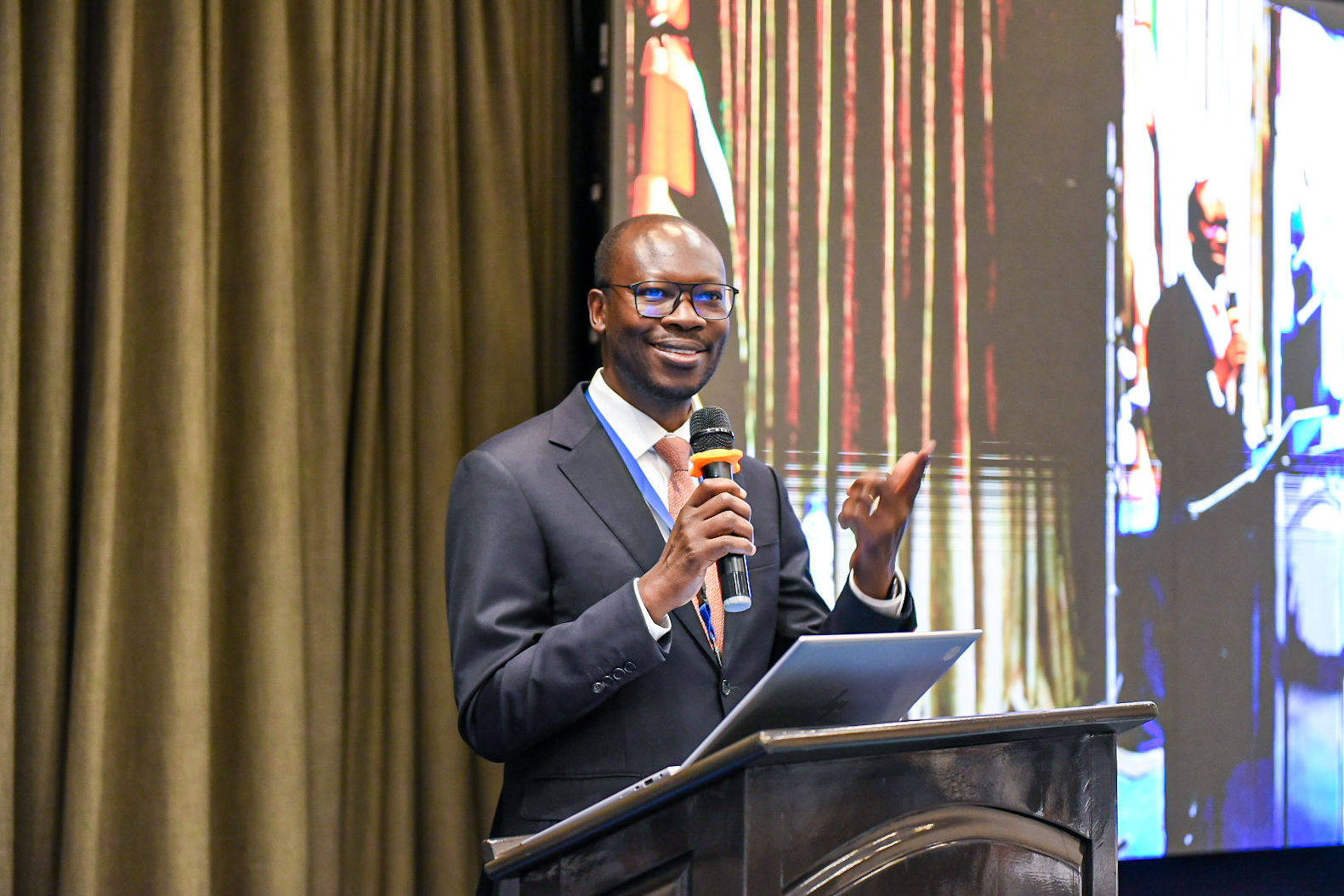
Photo/Sakina Mapenzi
He stated that Rsif is helping to build a pipeline of scientists and innovators whose work is increasingly shaping development priorities across the region.
“The second result is institutional. A brilliant graduate working inside a university that cannot support research, recognise innovation, or connect to industry will struggle to make an impact alone, however well trained he or she may be. That is why, alongside the scholarships, we have worked deliberately to help Mozambican universities build the enabling institutional environments that innovation needs: stronger research management, grant administration, quality assurance, and closer links to government and to industry.’’
He also emphasized that the MozSkills results were never meant to end with the closing of the project but are meant to be the beginning of something Mozambique can sustain and grow, and called on the Government of Mozambique to continue to work together through PASET-Rsif through icipe, and through the networks of universities, researchers and industry partners that MozSkills has helped to build and connect across the country and the region.
“The need for highly qualified scientists and engineers, for innovative universities, and for a robust national innovation system does not disappear when a project closes its books. If anything, it grows more urgent. “
Turning investment into evidence of impact
Beyond speeches, the workshop shifted quickly into evidence — what exactly has changed on the ground.
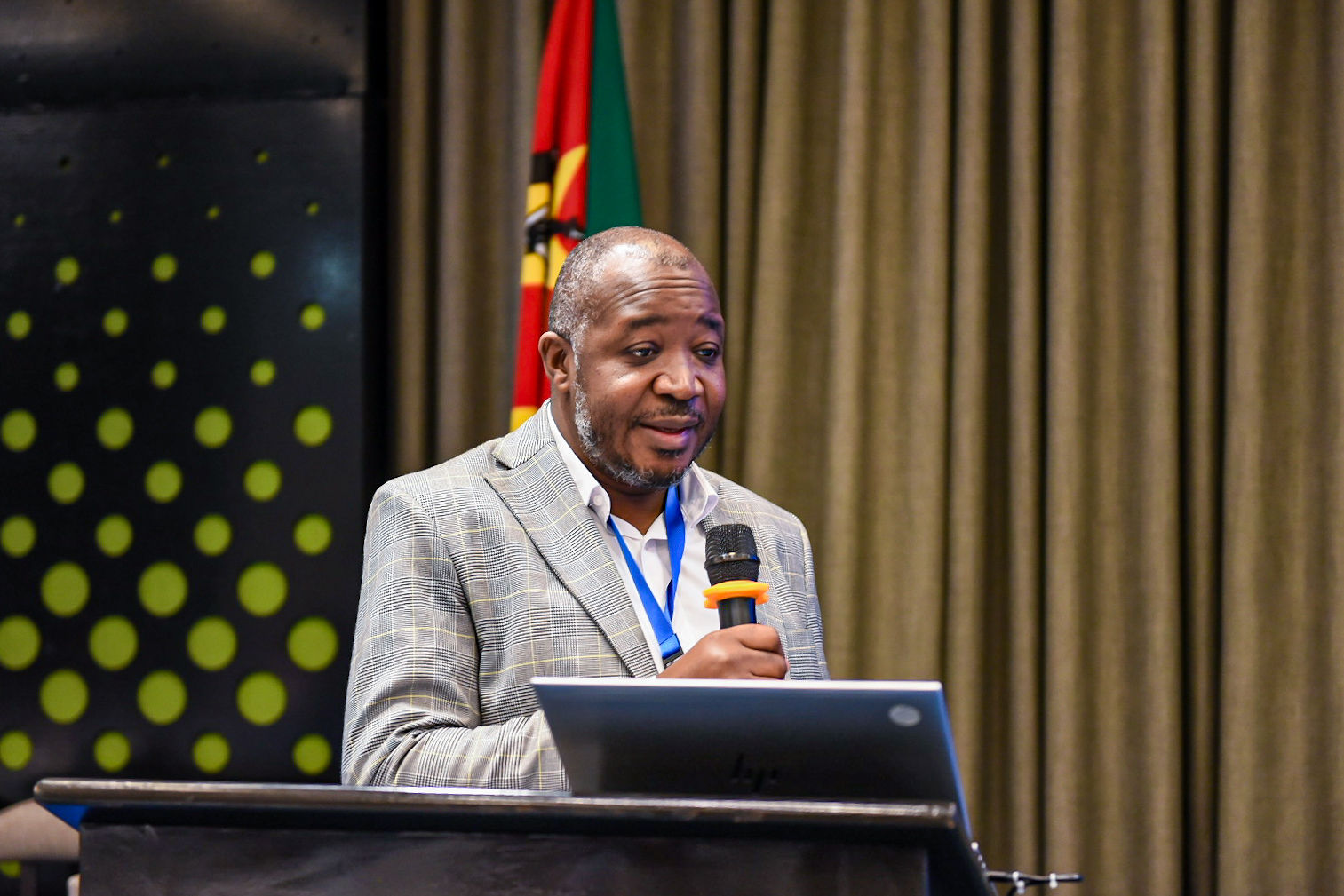
Dr Michael Kidoido, Monitoring Evaluation and Learning specialist at icipe presented findings from an independent evaluation of Rsif/MozSkills scholarships, confirming strengthened research capacity, improved institutional linkages, and positive progression among beneficiaries.
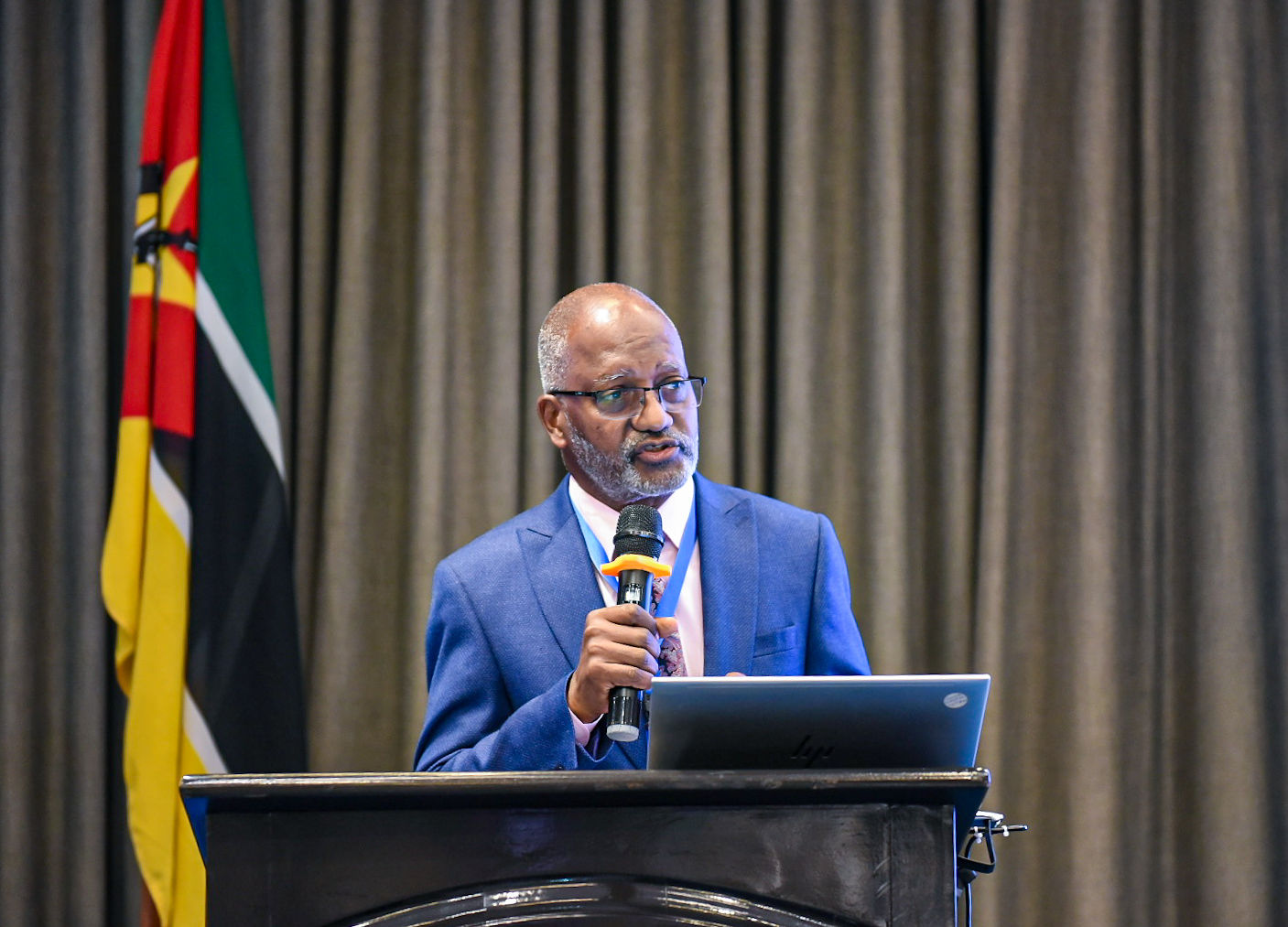
Dr Danilo Parbato and Dr Amandia Jotamo followed with results from MozSkills investments through the Institutional Development Fund (FDI) and the Capacity Building Programme for STEM Teacher Trainers (PCFP), showing measurable improvements in teaching quality, institutional systems and STEM training delivery across higher education institutions.
The message emerging was consistent: investment is no longer abstract — it is visible in stronger institutions and better-prepared educators and researchers.
Universities tell the story of change
If the morning session was about policy and evidence, the afternoon brought lived experience.
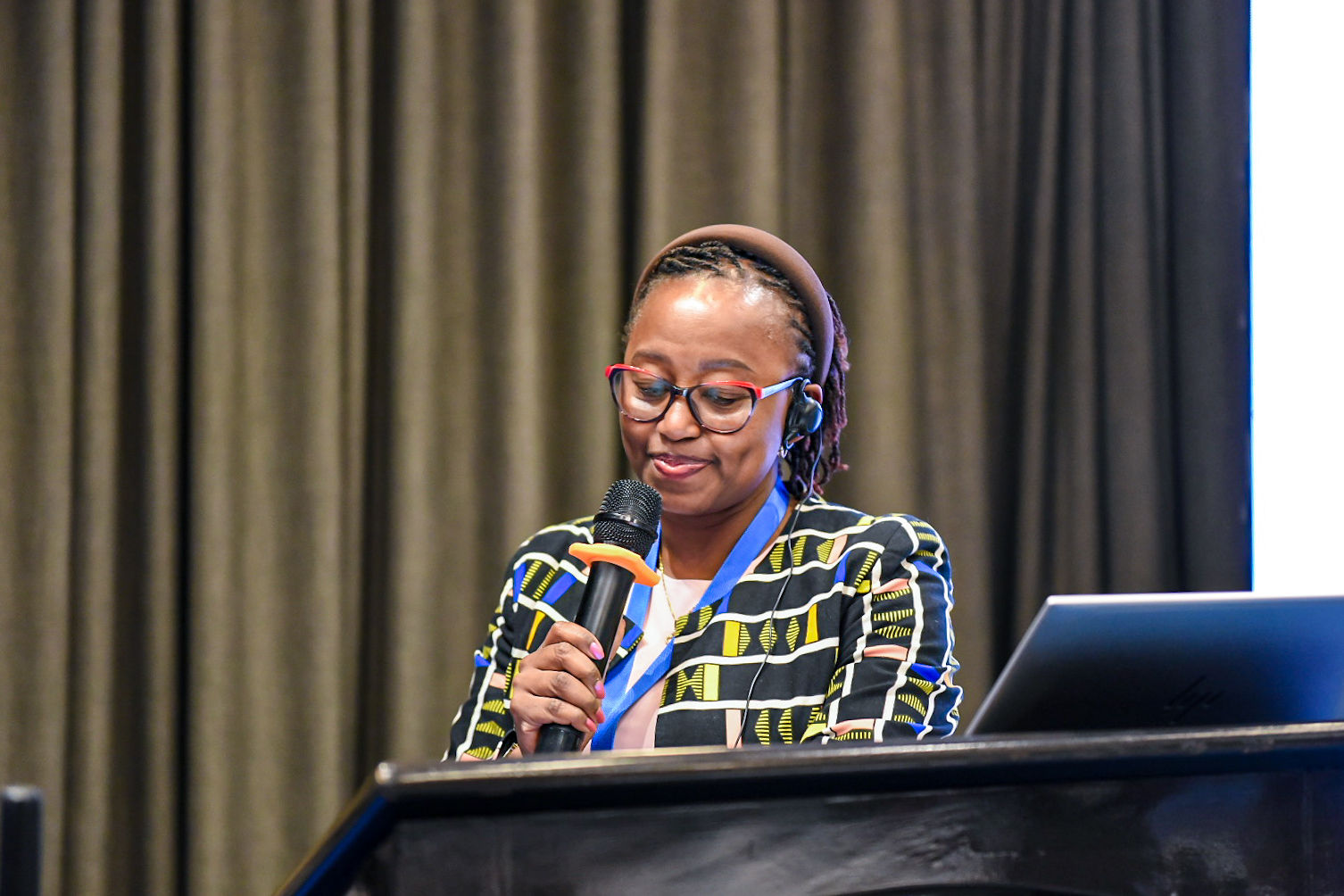
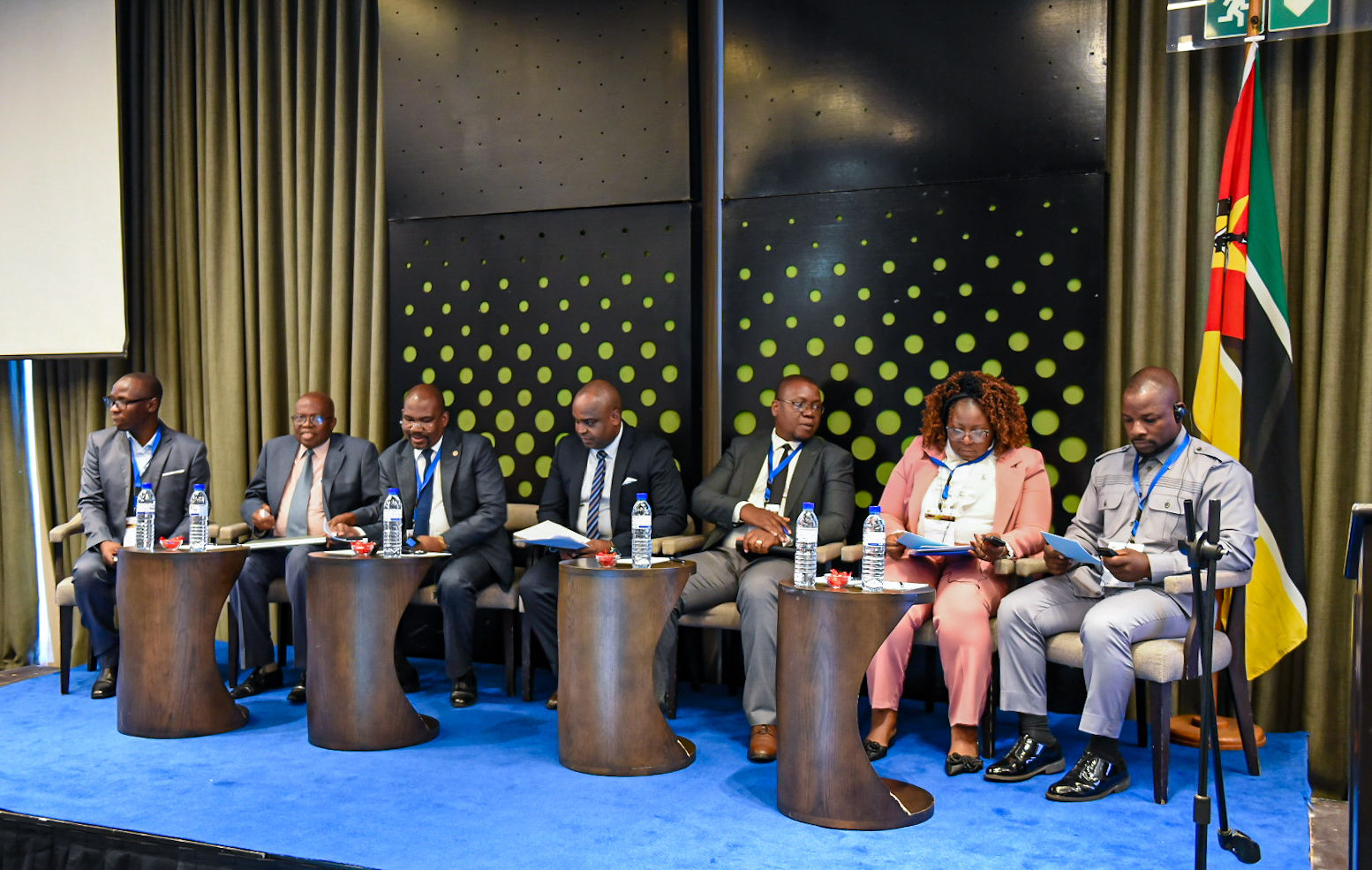
The first panel, moderated by Dr Everlyn Nguku, The Head of Integrated Capacity Building Platform at icipe, explored how Rsif and MozSkills are reshaping research and innovation ecosystems within universities.
On the panel were senior leaders from Mozambique’s higher education sector, including Prof Edson Raso (UniPungue), Prof Catarina Tivane (UniSave), ProfMario Tauzene (ISPG), Prof David Selemane (ISPT), Prof Noe Hofiço (UniZambeze), Prof Marcelino Lipola (UniLúrio), alongside Rsif scholar Egas Armando.
Prof Raso noted that “the combined support from Rsif and MozSkills is beginning to strengthen institutional research systems and expand opportunities for academic collaboration.”
Prof Tivane reflected that “investment in staff development and training is translating into more structured and responsive teaching and learning environments.”
Prof Tauzene observed that “capacity-building interventions are gradually improving the quality and consistency of research and postgraduate supervision.”
Prof Selemane emphasized that “technical institutions are increasingly better equipped to integrate innovation and applied research into training programmes.”
Prof Hofiço said “the strengthening of STEM-focused programmes is helping universities respond more effectively to national development needs.”
Prof Lipola highlighted that “partnerships under MozSkills are enhancing academic mobility, collaboration and institutional learning.”
Egas Armando shared that “the programme has opened pathways that allow young researchers to contribute meaningfully to scientific knowledge and national development priorities.” Adding that it opened for him research opportunities in Rwanda, Kenya and Korea.
Their reflections pointed to a gradual but visible shift: stronger research environments, improved supervision systems, expanding academic collaboration, and growing confidence among emerging researchers who previously had limited access to advanced training opportunities.
Mr Armando’s experience, in particular, illustrated how targeted support is translating into real research pathways for young scientists.
Bridging skills and the labour market
Dr Anisio Matangala, MozSkills coordinator- TVET at ANEP, reinforced a critical message: strengthening institutions alone is not enough unless training is closely aligned with labour market realities.
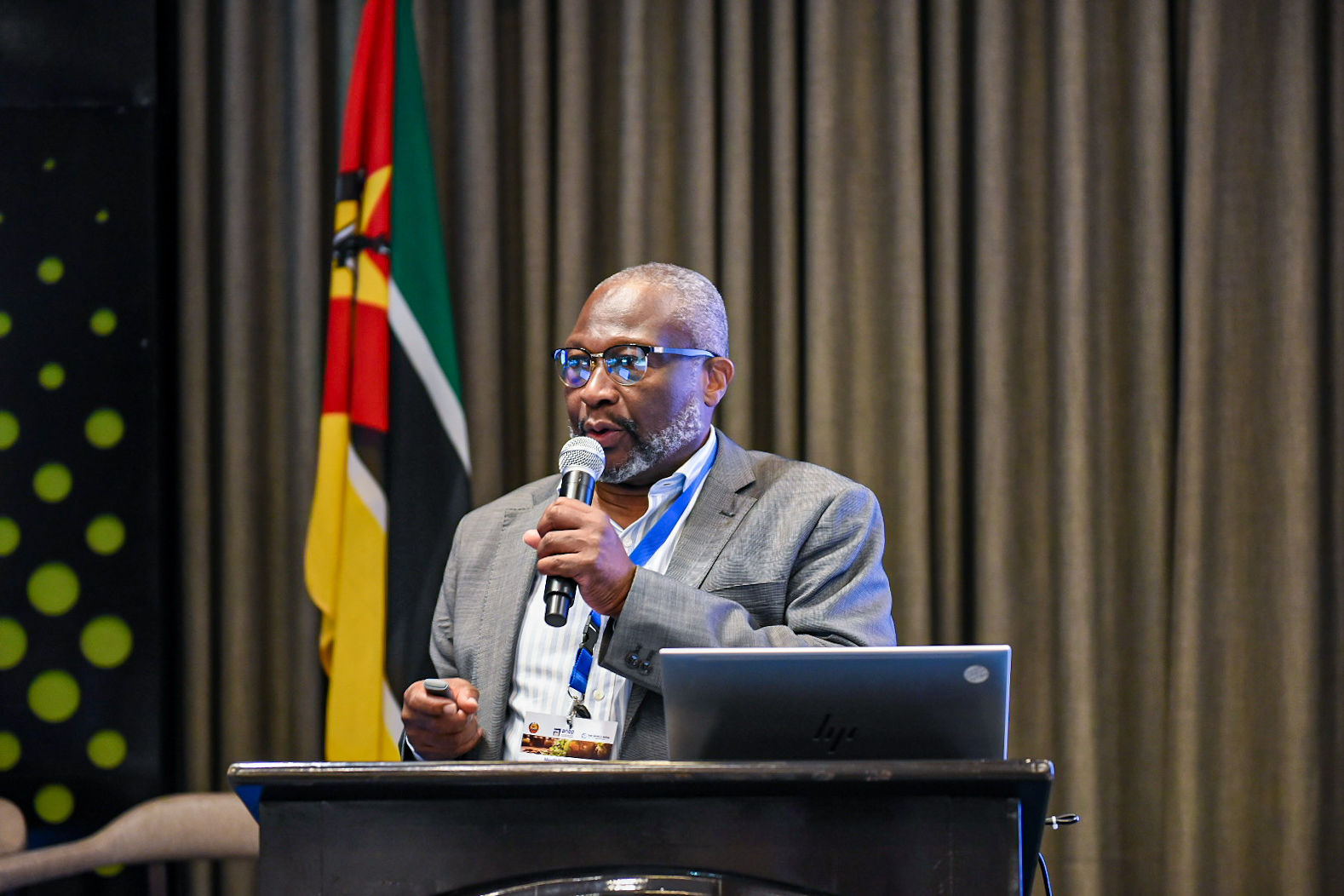
He emphasized the need for deeper partnerships between training institutions and industry to ensure graduates leave not just with certificates, but with competencies that respond directly to national development needs.
TVET institutions at the centre of transformation
The second panel, moderated by Dr Ida Alvarinho, brought together technical and vocational education practitioners from across the country, including representatives from IIC Nampula, IPM Nacuxa, IMGM Moatize, IAC Chimoio, IAB Boane and IICAEG Beluluane.
Their experiences pointed to a sector in transition — where competency-based training, improved institutional capacity and closer engagement with communities and employers are beginning to redefine technical education.
A shared conclusion: sustain what is working
As the day closed, one message cut across all discussions: Mozambique is beginning to see the returns on long-term investment in skills, research and innovation — but sustaining those gains will require continued collaboration between government, development partners, universities and industry.
Day one ended not with closure, but with a shared recognition that the real measure of success will be whether today’s investments continue to produce tomorrow’s innovators, educators and problem-solvers.
To read Part 2 of the story, kindly click here.