

Part 2. MozSkills Stakeholders Chart Path from Project Results to Sustainable Impact
MAPUTO, Mozambique — On the second and final day of the Mozambique Skills Development Enhancement Project (MozSkills) close-out workshop (read part 1 of the story here), stakeholders shifted their focus from celebrating achievements to a pressing challenge: how to ensure that the investments made in skills development, research and innovation continue delivering benefits long after the project ends.
The discussions brought together government officials, university leaders, development partners, researchers and industry representatives under the theme “From results to sustainable impact” to reflect on six years of investment in Mozambique’s human capital and explore how to transform project results into lasting institutional and economic impact.
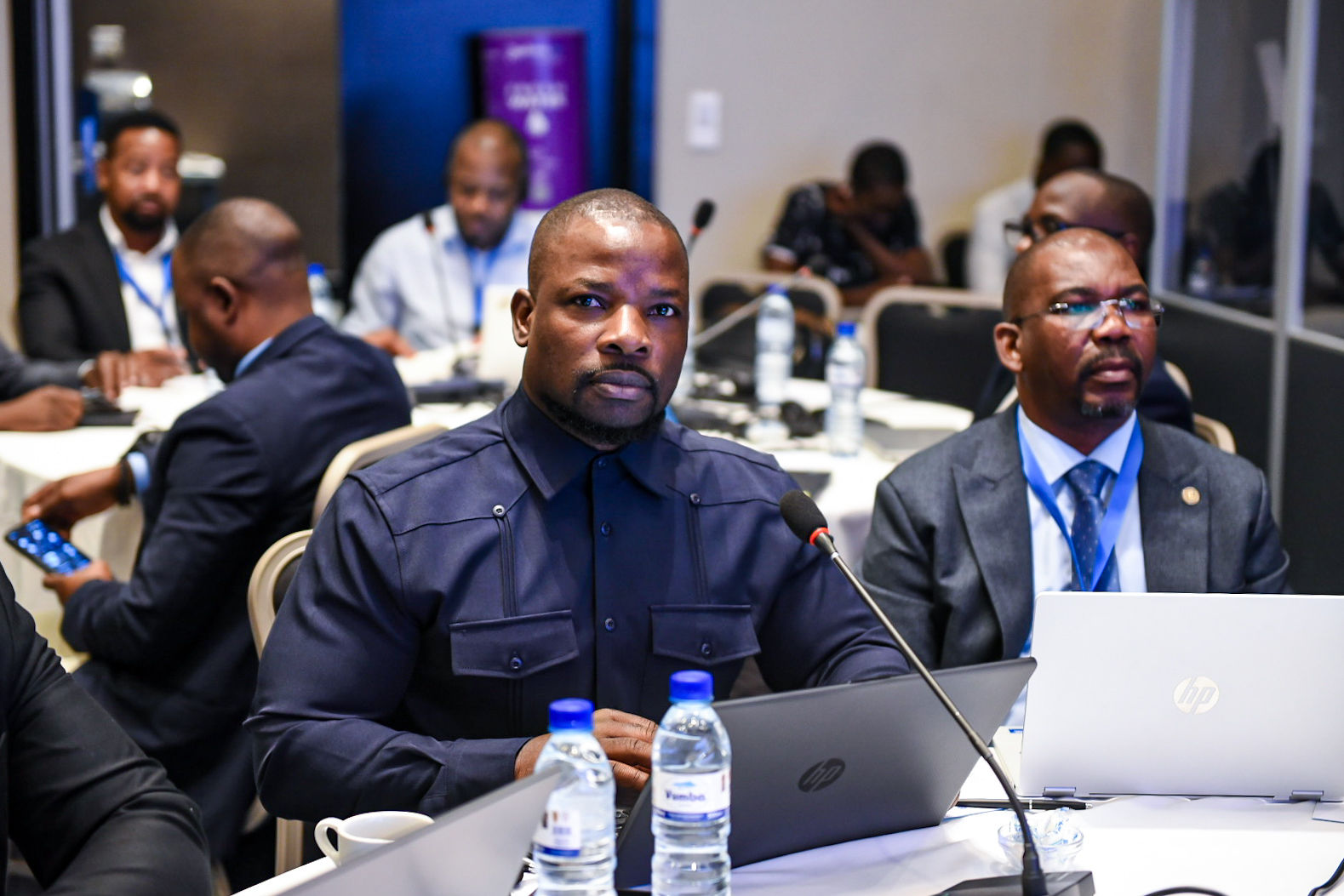
Implemented through a partnership between the Government of Mozambique and the World Bank, the MozSkills Project invested approximately USD 6 million through the the Partnership for Skills in Applied Sciences, Engineering and Technology (PASET)– Regional Scholarship and Innovation Fund (Rsif), including USD 4 million for 40 PhD scholarships and USD 2 million for 14 research and innovation projects led by Mozambican higher education institutions. While these investments have strengthened advanced training and research capacity, participants agreed that the project’s legacy will ultimately be measured by institutions’ ability to sustain and build upon the gains achieved. The International Centre for Insect Physiology and Ecology (icipe) is the regional coordination unit of PASET-Rsif.
Quality assurance
A key focus of the day’s discussions was the strengthening of Mozambique’s higher education quality assurance system.
Presenting achievements under the National Council for Quality Assurance in Higher Education (CNAQ), its President, Dr Maria Luisa Lopes Chicote Agibo, said MozSkills had contributed significantly to lecturer training, institutional accreditation and quality assurance reforms.
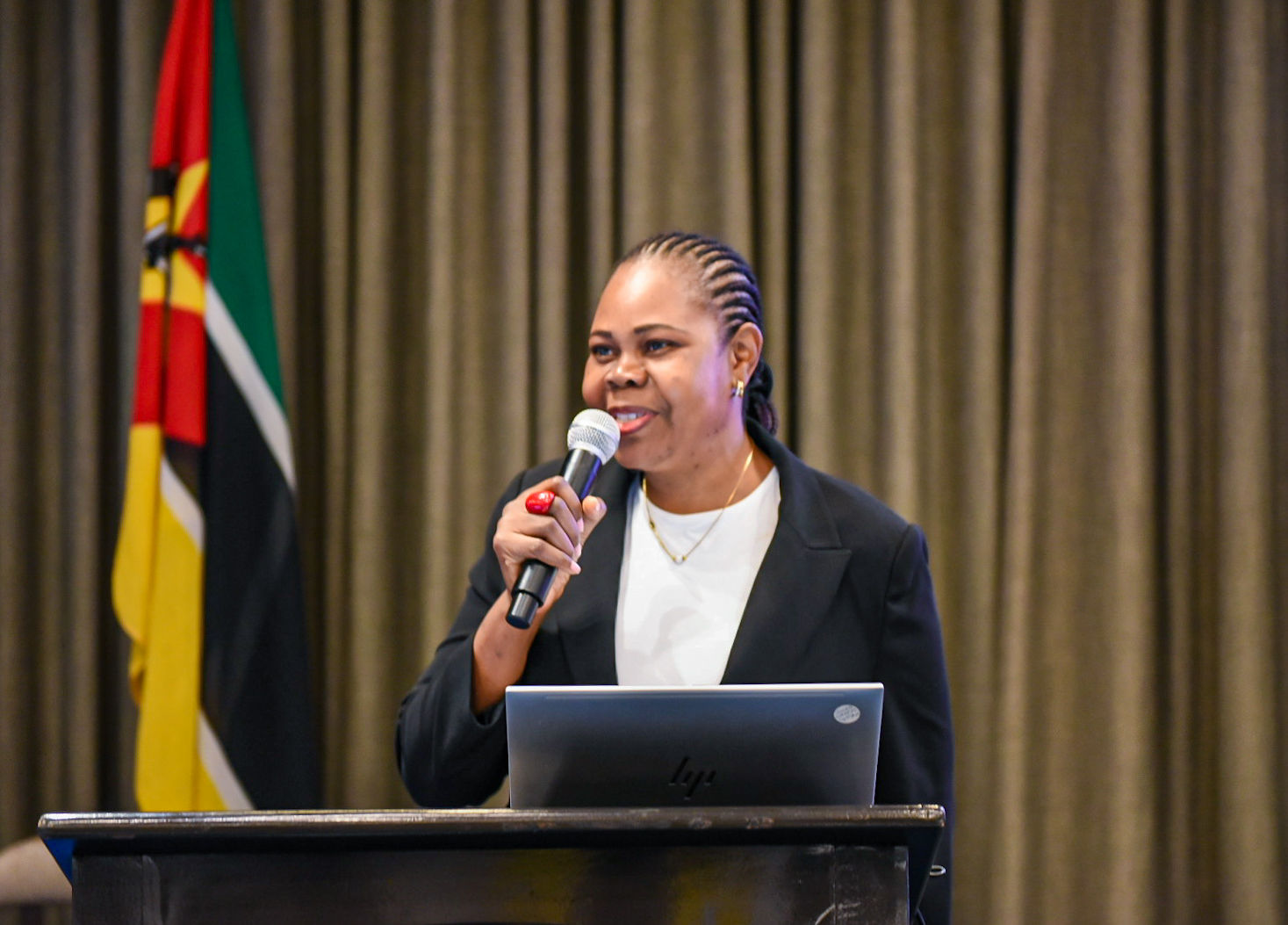
“Scientific capacity resides in the institutions, while CNAQ provides the system and the framework,” she said.
Under the project, 538 lecturers were trained in educational innovation and the use of information and communication technologies, indirectly benefiting more than 82,000 students. The number of evaluated courses increased from 125 before the project to 961, with 854 accredited, including 280 STEM programmes. Institutional accreditation expanded to 37 higher education institutions serving more than 128,000 students, while functional internal quality assurance units increased from seven in 2019 to 41.
Participants noted that these achievements demonstrate the importance of investing not only in infrastructure and equipment but also in the systems that ensure quality and accountability.
The question of sustainability featured prominently throughout the workshop.
Dr Ana Menezes, Senior Education Specialist at the World Bank, urged institutions to integrate sustainability into future project design and demonstrate how successful initiatives will continue beyond external funding.
“Institutions seeking future funding should include sustainability in their proposals and clearly demonstrate their capacity to continue successful initiatives,” she said.
She also emphasised the need for higher education institutions and technical training centres to better communicate their contribution to national development, arguing that stronger visibility of results is essential for attracting future investment.
Focus on employability, innovation and economic relevance
During a high-level panel moderated by Professor Mouzinho Mario from Universidade Eduardo Mondlane (UEM), participants called for a stronger focus on employability, innovation and economic relevance. Representatives from universities, government and industry stressed that future investments should move beyond funding activities and focus on outcomes that transform institutions and contribute to national development.
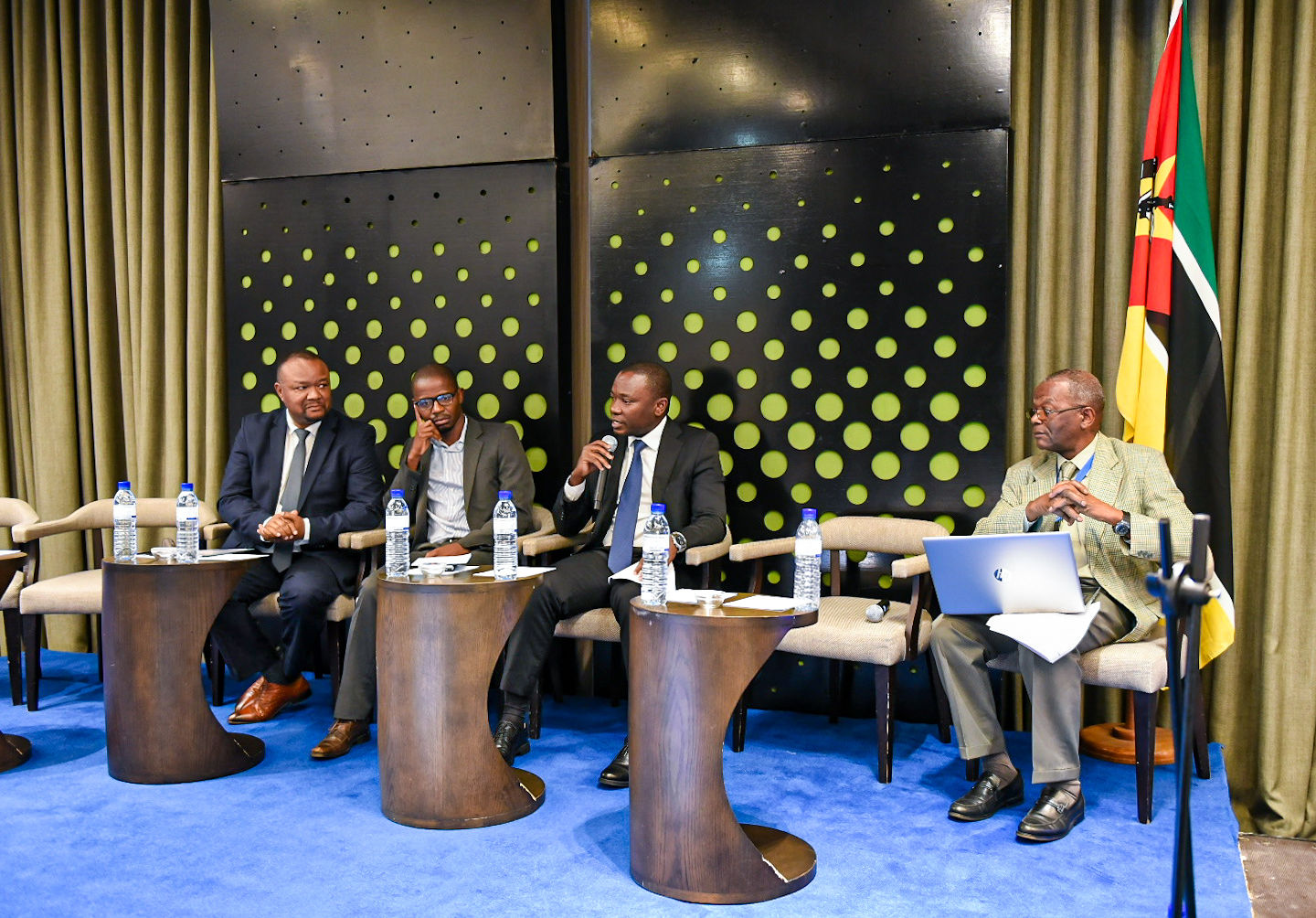
Industry representatives highlighted the need for employers to play a more active role in shaping labour-market skills, supporting research and co-developing solutions with universities. Discussions also emphasised technology transfer, innovation funding, internships, contract research, and stronger commercialisation pathways to ensure that research results translate into products, services, and jobs.
The conversation reflected a growing recognition that strengthening research capacity alone is not enough. Universities must also become engines of innovation and economic transformation.
Catalyst for change
Looking ahead, Dr Uilson Timane, Director of Autoridade Nacional de Ensino Professional (ANEP), presented the newly launched MozJob programme as a key mechanism for carrying forward the skills development agenda.
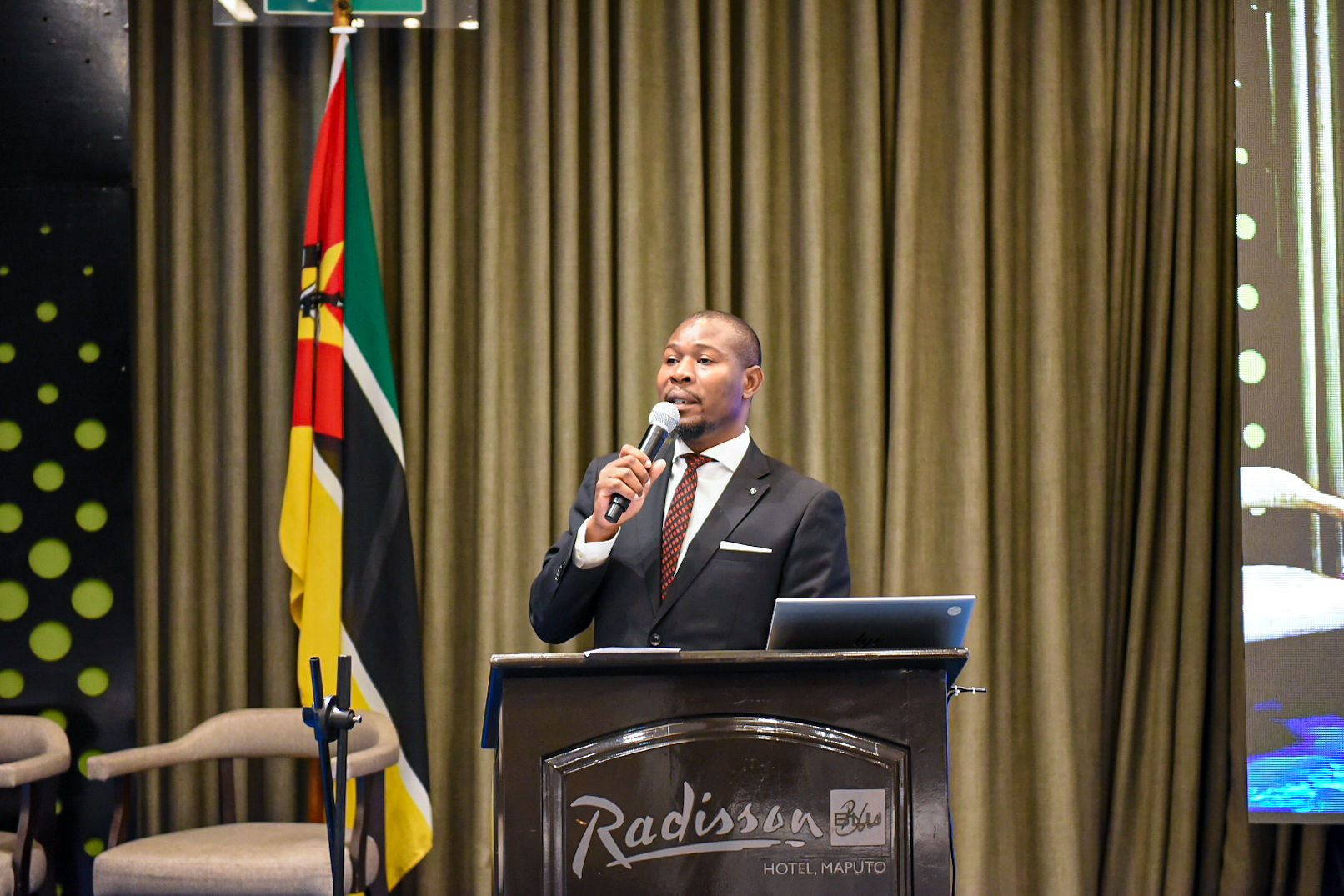
The USD 150 million initiative will focus on youth employability, productive-sector participation and workforce development in sectors including energy, agribusiness, tourism, ICT, transport and construction.
Closing the workshop on behalf of the Ministry of Education and Culture, Secretary of State for Science and Higher Education Dr Edson Macuacua described MozSkills as “more than a project” and “a catalyst for change.”
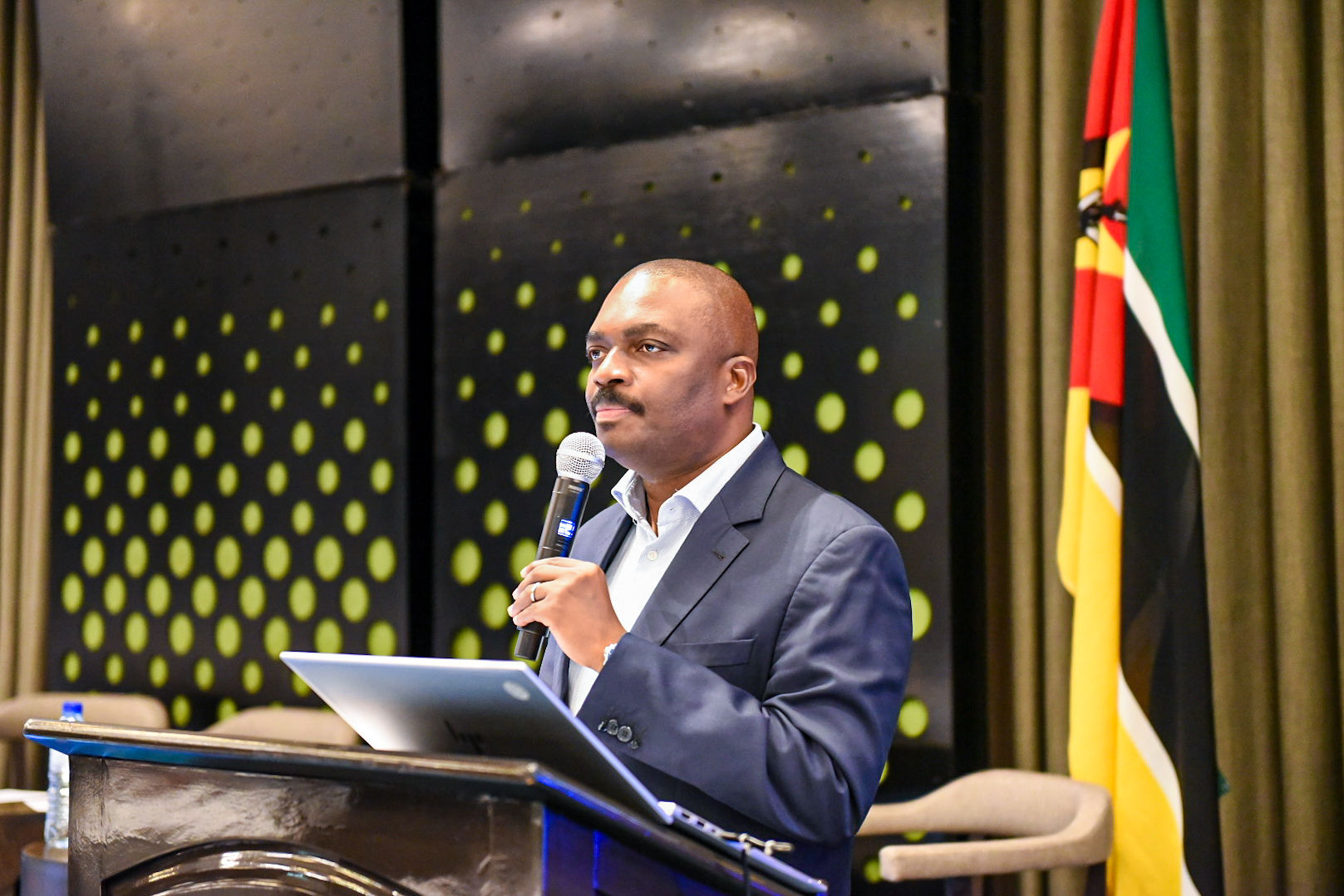
Reflecting on the experiences shared by beneficiary institutions, he said the workshop demonstrated how investments in human capital, research and innovation can generate tangible results when accompanied by strong institutional commitment.
Among the achievements highlighted were 40 PhD scholarships financed through PASET-Rsif, benefiting 32 Mozambicans, 28 peer-reviewed scientific publications and two registered patents. The project also established 124 digital spaces, equipped 23 laboratories and distributed 20,000 digital devices to students while introducing the e-SURA digital management platform in 37 institutions.
In technical and vocational education and training, MozSkills supported the establishment of six Centres of Reference, expanded the National Catalogue of Professional Qualifications to 206 qualifications and helped ensure that more than half of learners are enrolled in programmes validated by the productive sector.
Dr Macuacua also highlighted quality assurance achievements, including the evaluation of 961 courses, accreditation of 854 programmes and the establishment of four regional Centres of Reference in Quality and Qualifications.
Call to action
However, he cautioned that results alone do not guarantee sustainability.
“It is not enough to improve physical infrastructure and curricula. We must continue investing in the training of managers and trainers to guarantee the quality of education,” he said.
He identified institutional ownership, adaptive management and sustained financing as critical lessons from the project, noting that technical achievements can quickly erode if institutions fail to maintain infrastructure, equipment and programmes after donor funding ends.
“The administrative closure of the project is not the end, but the beginning of a new phase of institutional appropriation,” he said. “We must ensure that every equipped laboratory and every updated curriculum continue to produce knowledge and employability opportunities for our youth.”
To secure the project’s long-term impact, Dr Macuácua called for stronger national financing mechanisms for research and postgraduate education, simplified grant management systems, deeper industry-academia partnerships, enhanced technology transfer structures and more ambitious gender inclusion targets in STEM fields.
As the workshop concluded, participants shared a common message: Mozambique has laid important foundations for strengthening skills development, research and innovation. The challenge now is to transform those investments into sustainable institutions, competitive industries and meaningful opportunities for the next generation.
The success of MozSkills, they agreed, will not be measured only by the projects funded, but by the lasting impact those investments continue to generate.
To read part 1 of the story, click here