
Part 2. MozSkills Stakeholders Chart Path from Project Results to Sustainable Impact 

MAPUTO, Mozambique — On the second and final day of the Mozambique Skills Development Enhancement Project (MozSkills) close-out workshop (read part 1 of the story here), stakeholders shifted their focus from celebrating achievements to a pressing challenge: how to ensure that the investments made in skills development, research and innovation continue delivering benefits long after the project ends. 

The discussions brought together government officials, university leaders, development partners, researchers and industry representatives under the theme “From results to sustainable impact” to reflect on six years of investment in Mozambique’s human capital and explore how to transform project results into lasting institutional and economic impact. 
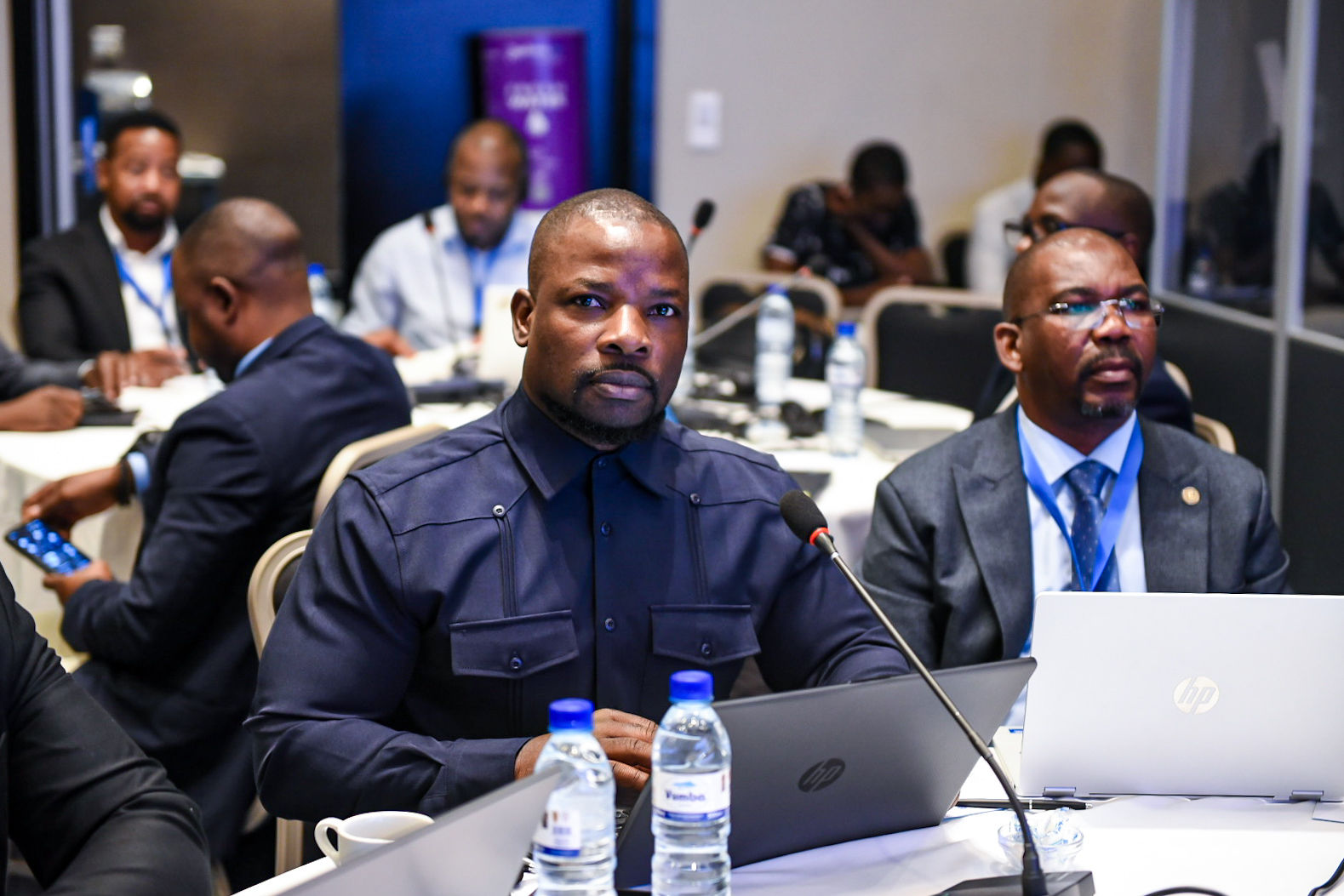
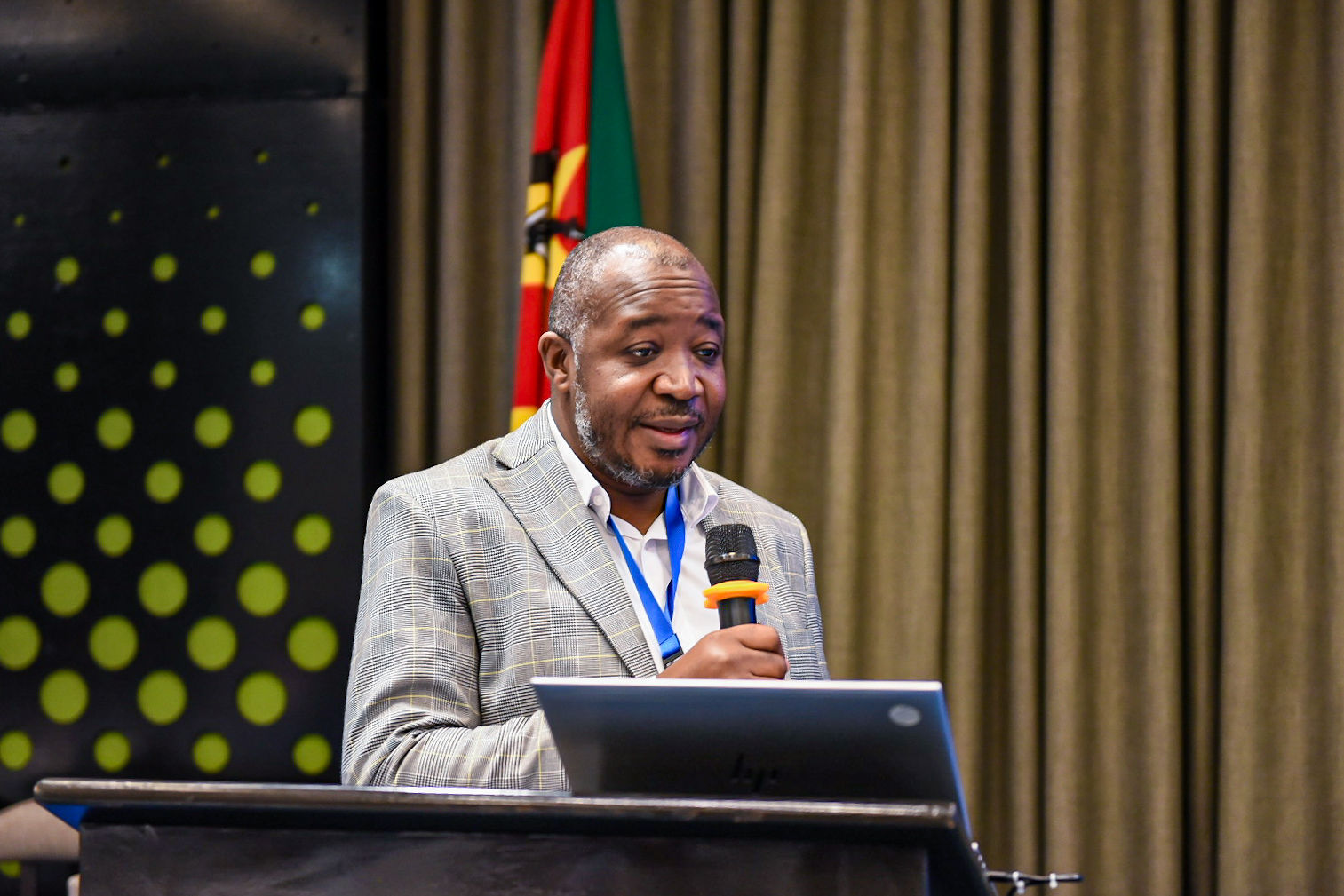
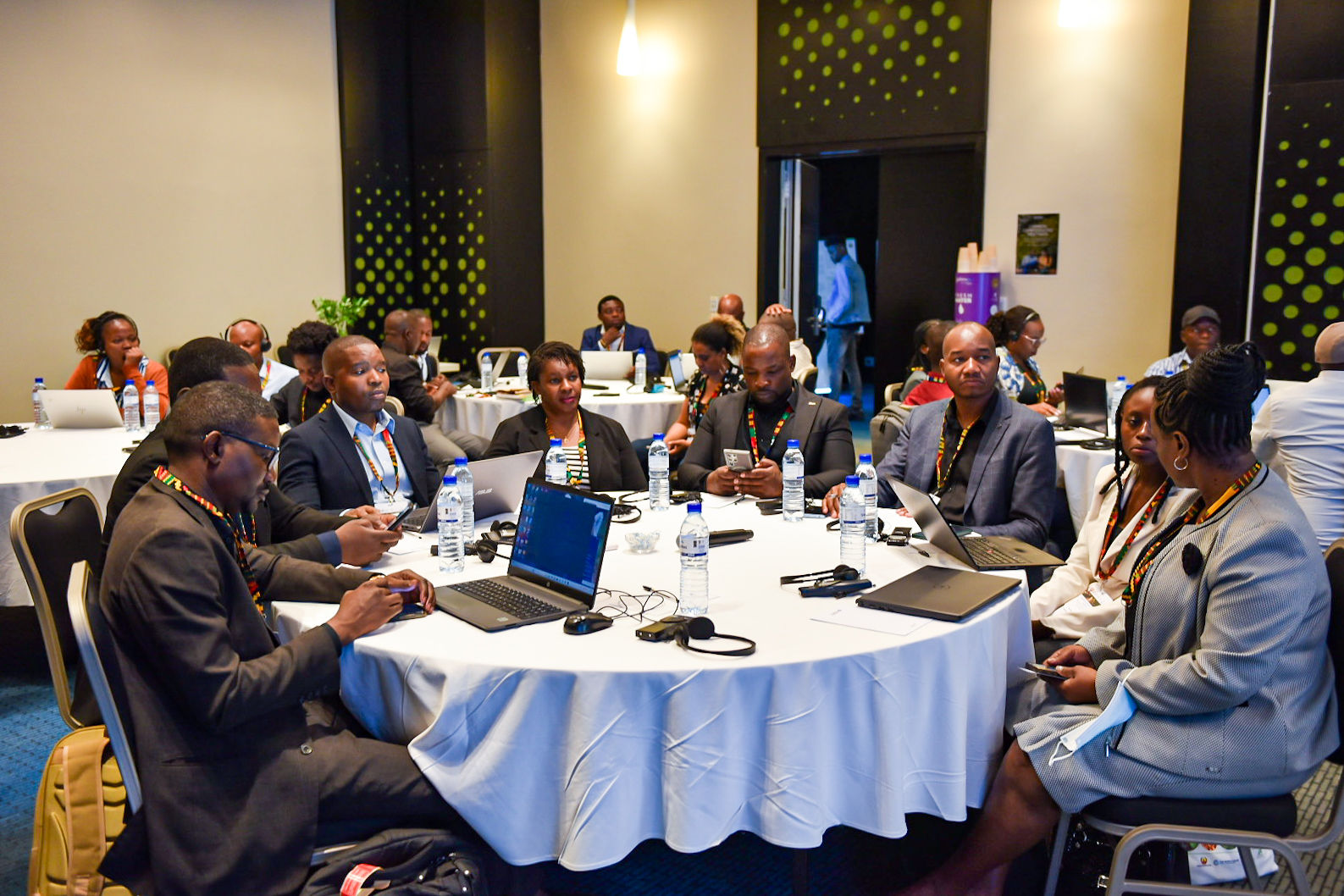
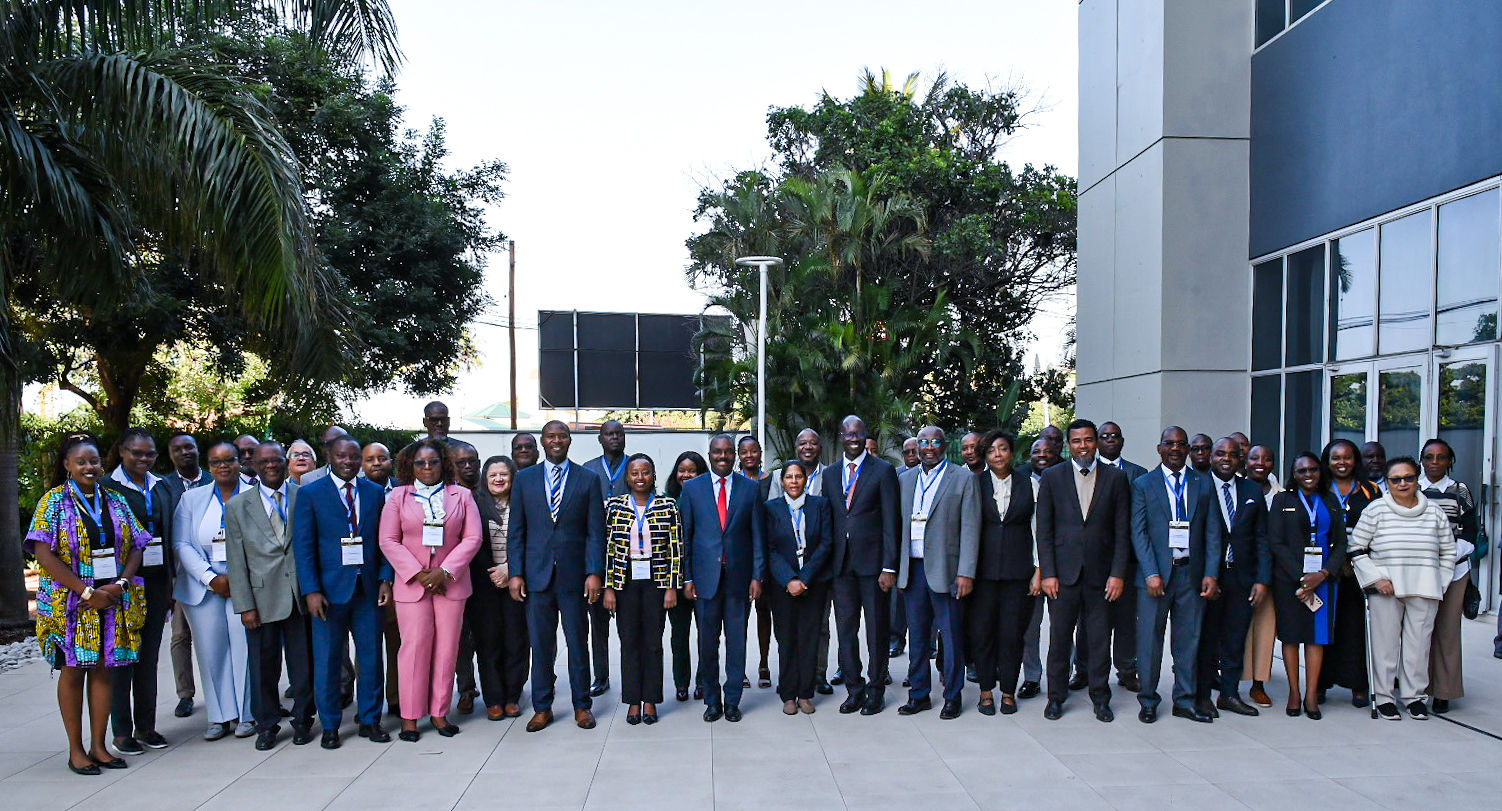
Participants follow the workshop proceedings .
Participants follow the workshop proceedings at Radisson Blu Hotel in Maputo. Photo/Sakina Mapenzi

Implemented through a partnership between the Government of Mozambique and the World Bank, the MozSkills Project invested approximately USD 6 million through the thePartnership for Skills in Applied Sciences, Engineering and Technology (PASET)– Regional Scholarship and Innovation Fund (Rsif), including USD 4 million for 40 PhD scholarships and USD 2 million for 14 research and innovation projects led by Mozambican higher education institutions. While these investments have strengthened advanced training and research capacity, participants agreed that the project’s legacy will ultimately be measured by institutions’ ability to sustain and build upon the gains achieved. The International Centre for Insect Physiology and Ecology (icipe) is the regional coordination unit of PASET-Rsif. 

Quality assurance 

A key focus of the day’s discussions was the strengthening of Mozambique’s higher education quality assurance system. 

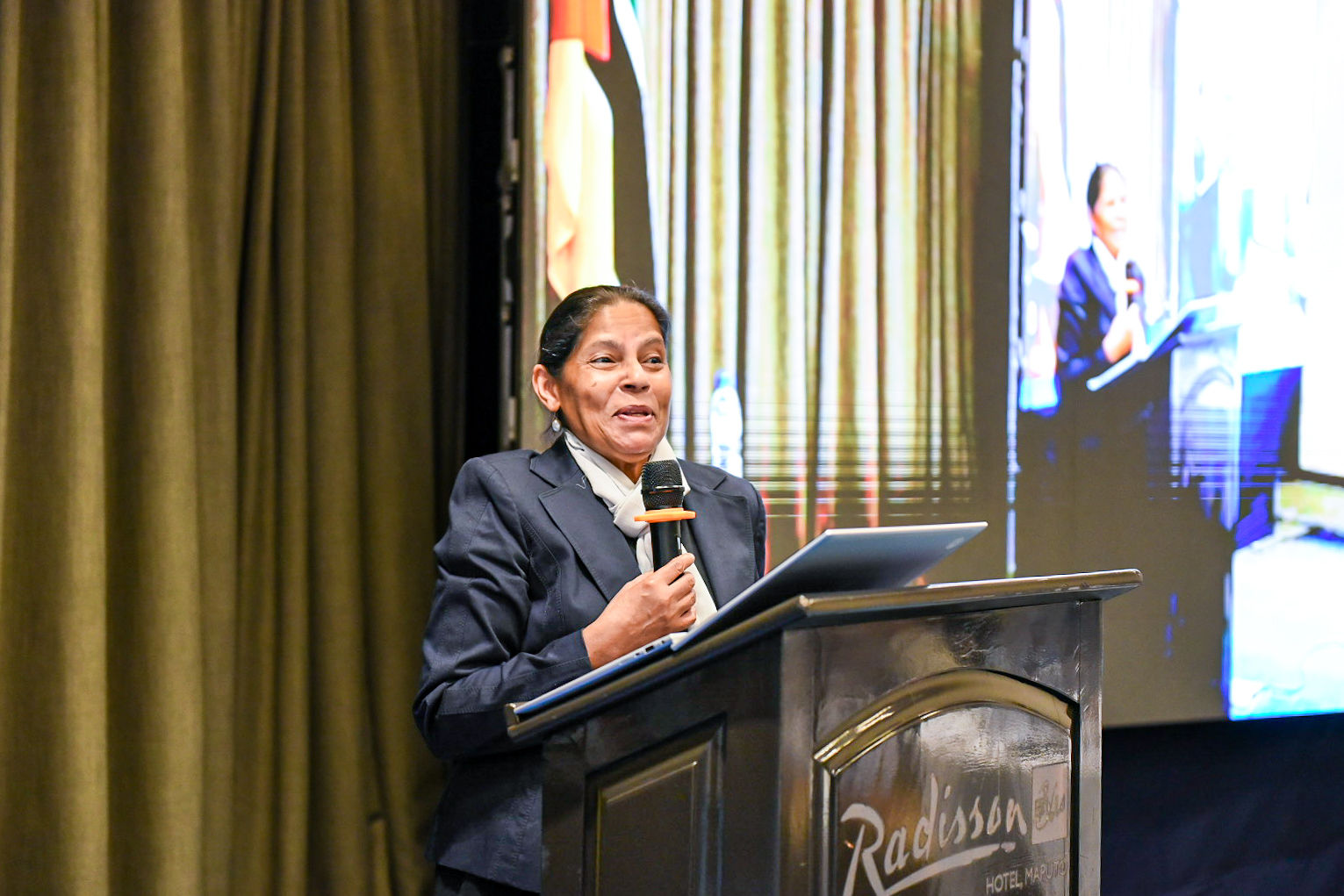
Presenting achievements under the National Council for Quality Assurance in Higher Education (CNAQ), its President, Dr Maria Luisa Lopes Chicote Agibo, said MozSkills had contributed significantly to lecturer training, institutional accreditation and quality assurance reforms. 
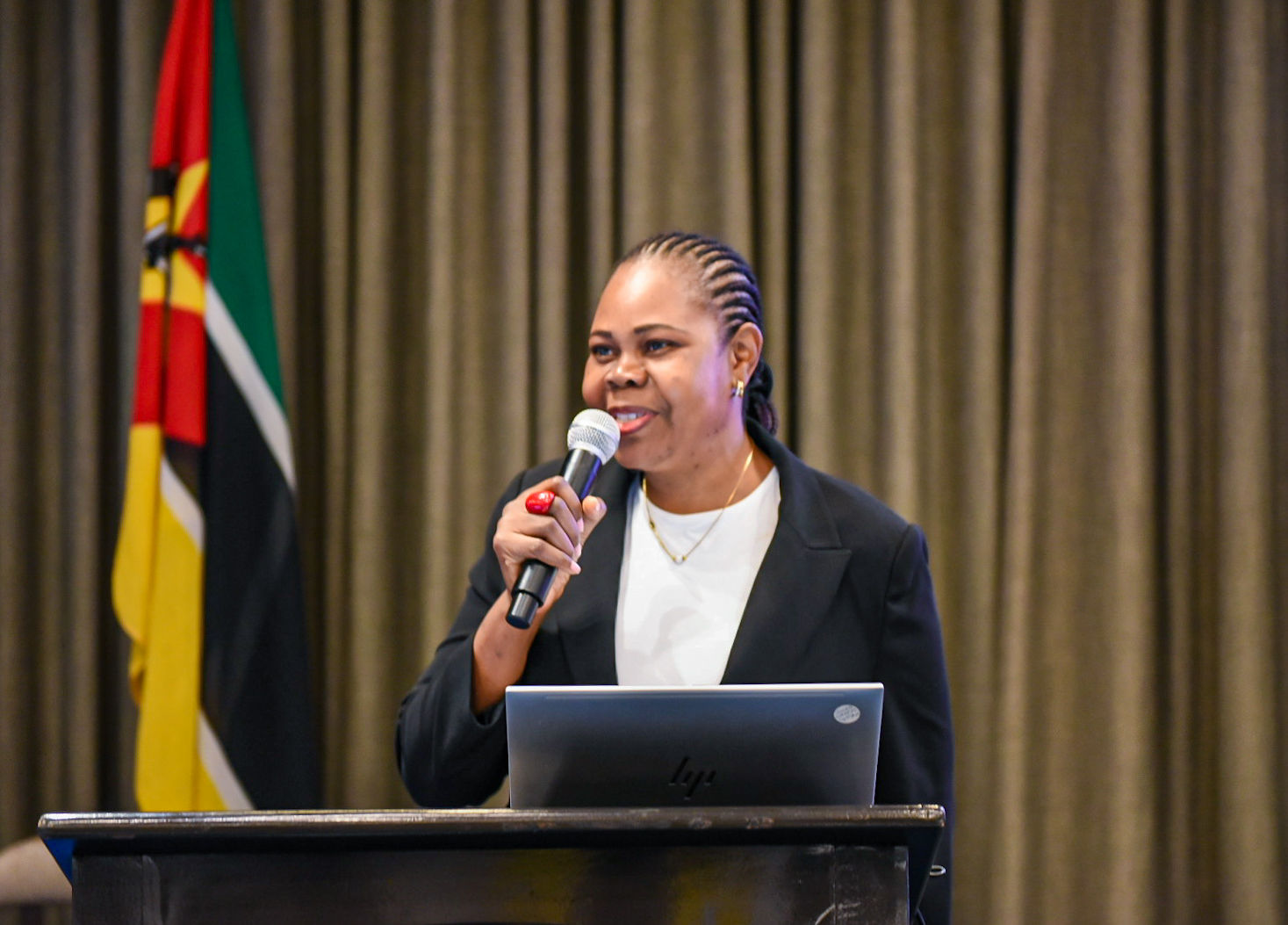
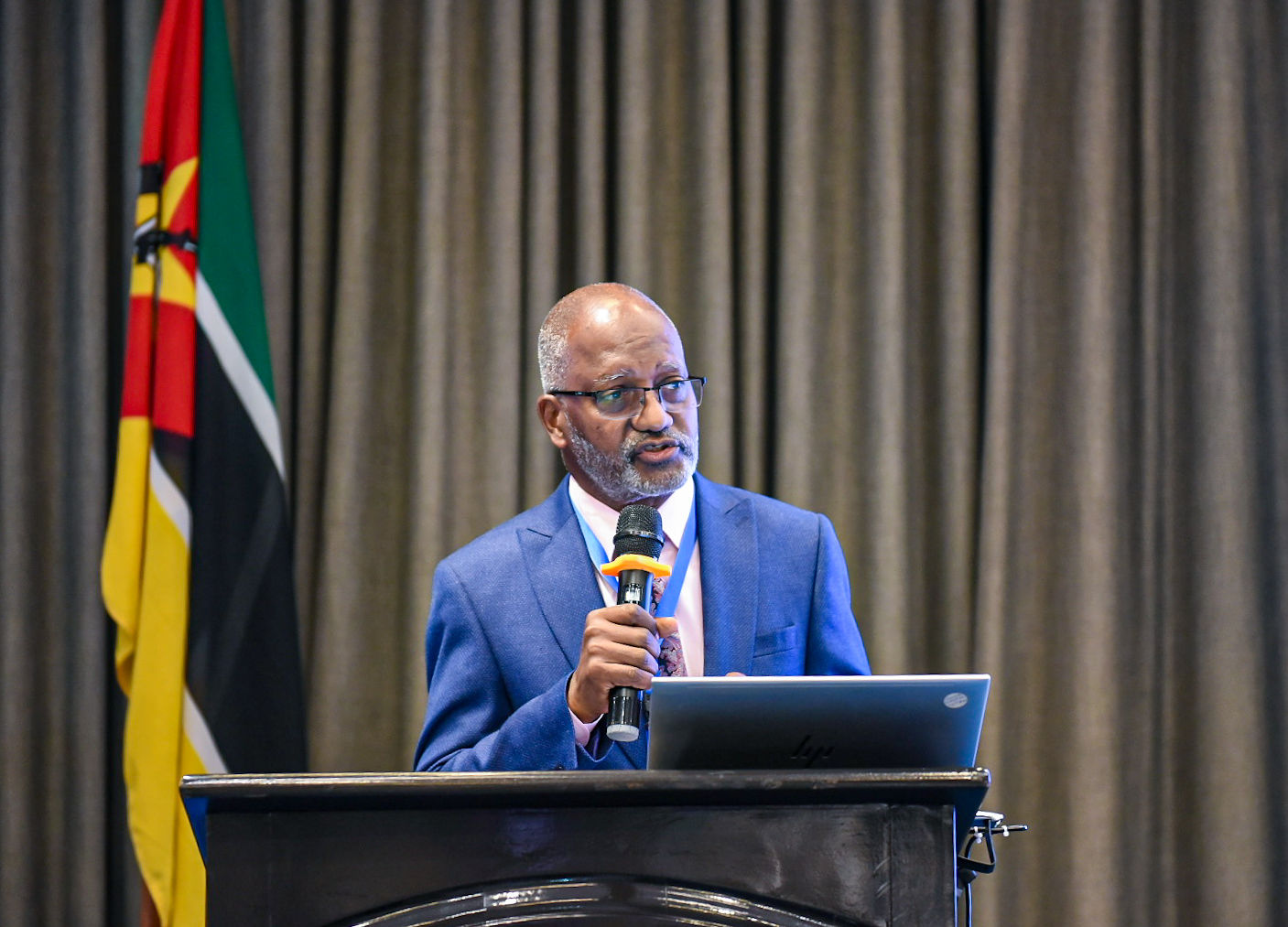
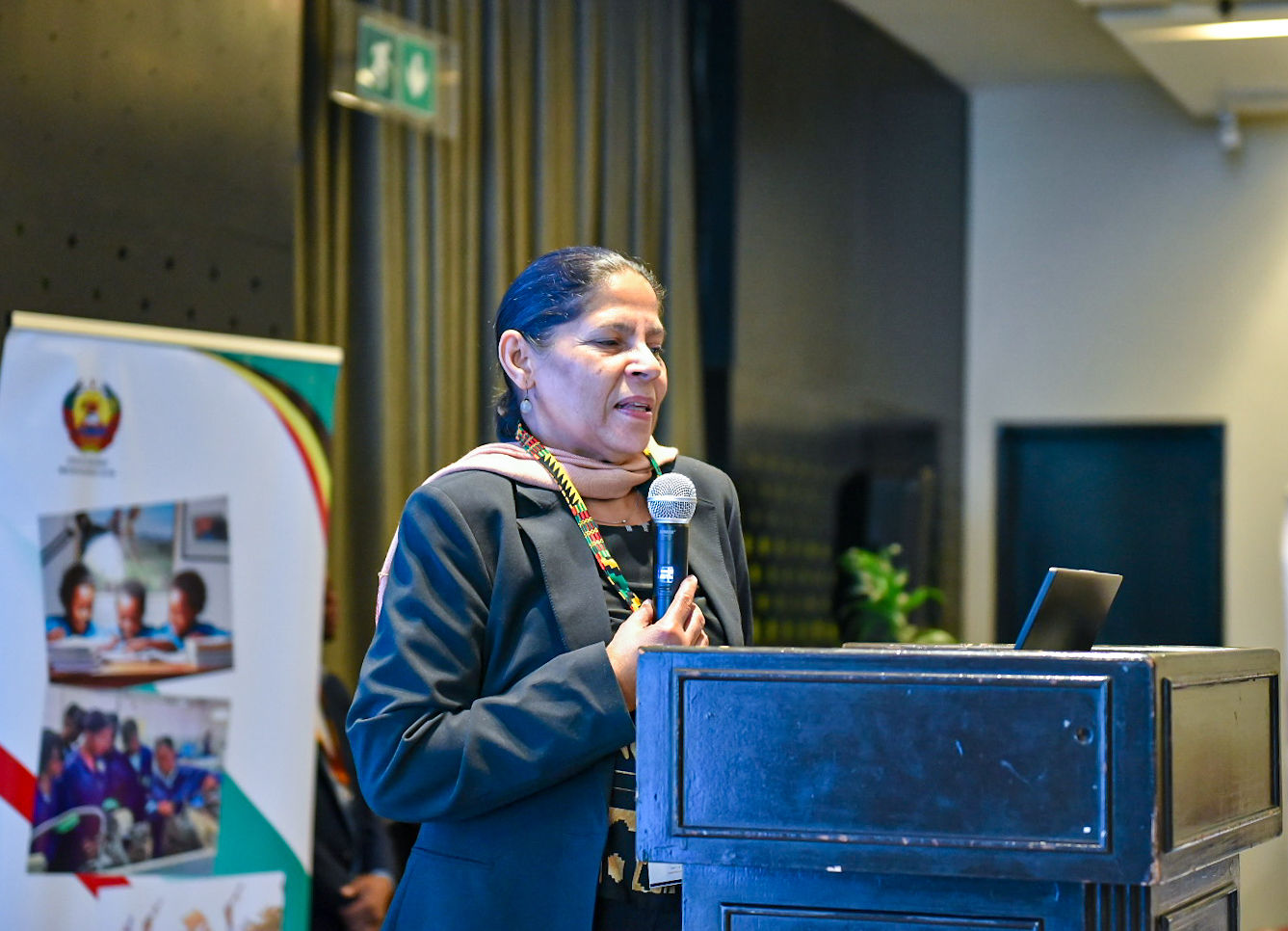
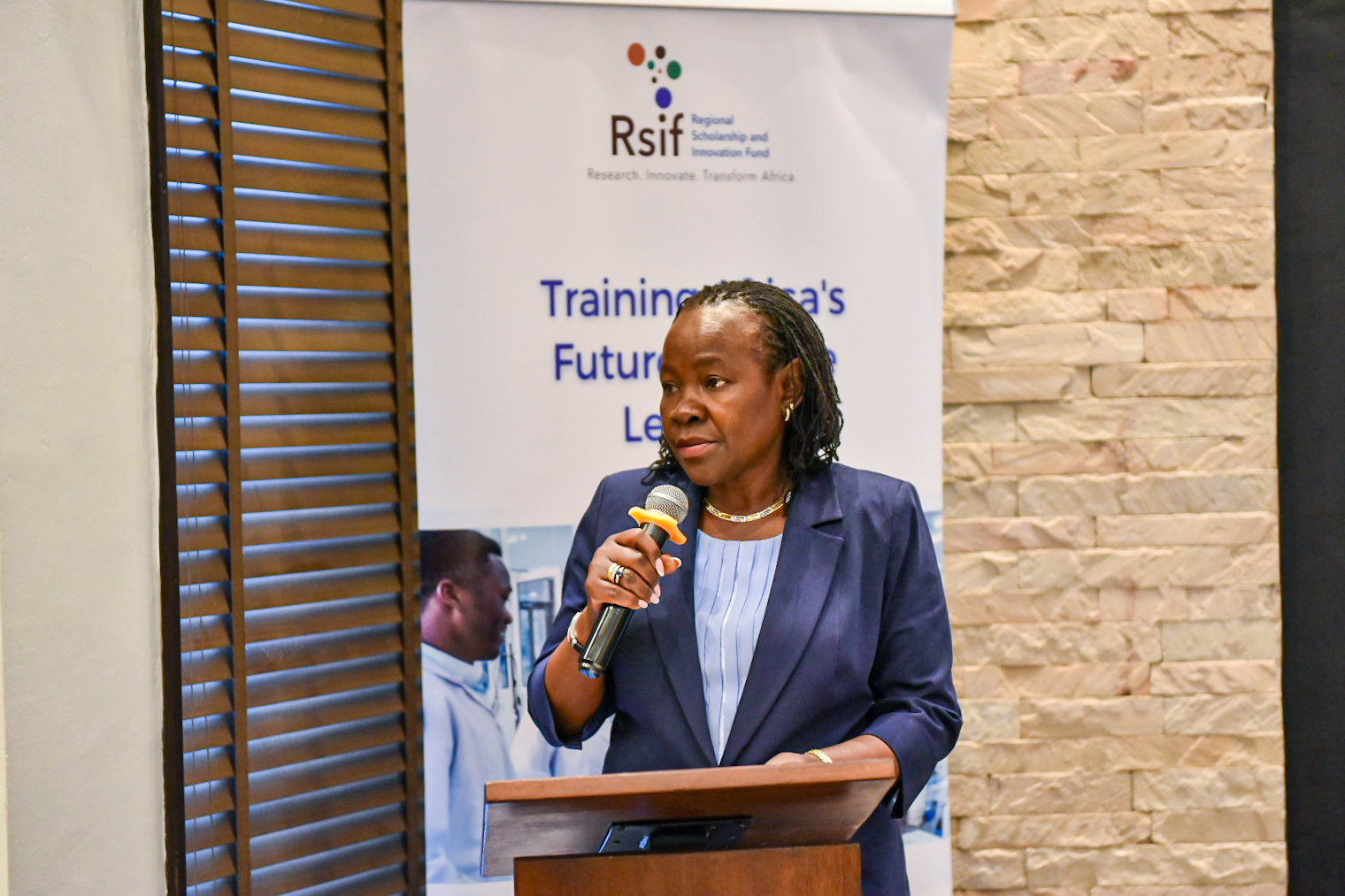
Dr Maria Luisa Lopes Chicote Agibo,
Dr Maria Luisa Lopes Chicote Agibo Photo/Sakina Mapenzi

“Scientific capacity resides in the institutions, while CNAQ provides the system and the framework,” she said. 

Under the project, 538 lecturers were trained in educational innovation and the use of information and communication technologies, indirectly benefiting more than 82,000 students. The number of evaluated courses increased from 125 before the project to 961, with 854 accredited, including 280 STEM programmes. Institutional accreditation expanded to 37 higher education institutions serving more than 128,000 students, while functional internal quality assurance units increased from seven in 2019 to 41. 


Participants noted that these achievements demonstrate the importance of investing not only in infrastructure and equipment but also in the systems that ensure quality and accountability. 

The question of sustainability featured prominently throughout the workshop. 

Dr Ana Menezes, Senior Education Specialist at the World Bank, urged institutions to integrate sustainability into future project design and demonstrate how successful initiatives will continue beyond external funding. 

“Institutions seeking future funding should include sustainability in their proposals and clearly demonstrate their capacity to continue successful initiatives,” she said. 

She also emphasised the need for higher education institutions and technical training centres to better communicate their contribution to national development, arguing that stronger visibility of results is essential for attracting future investment.  

Focus on employability, innovation and economic relevance 

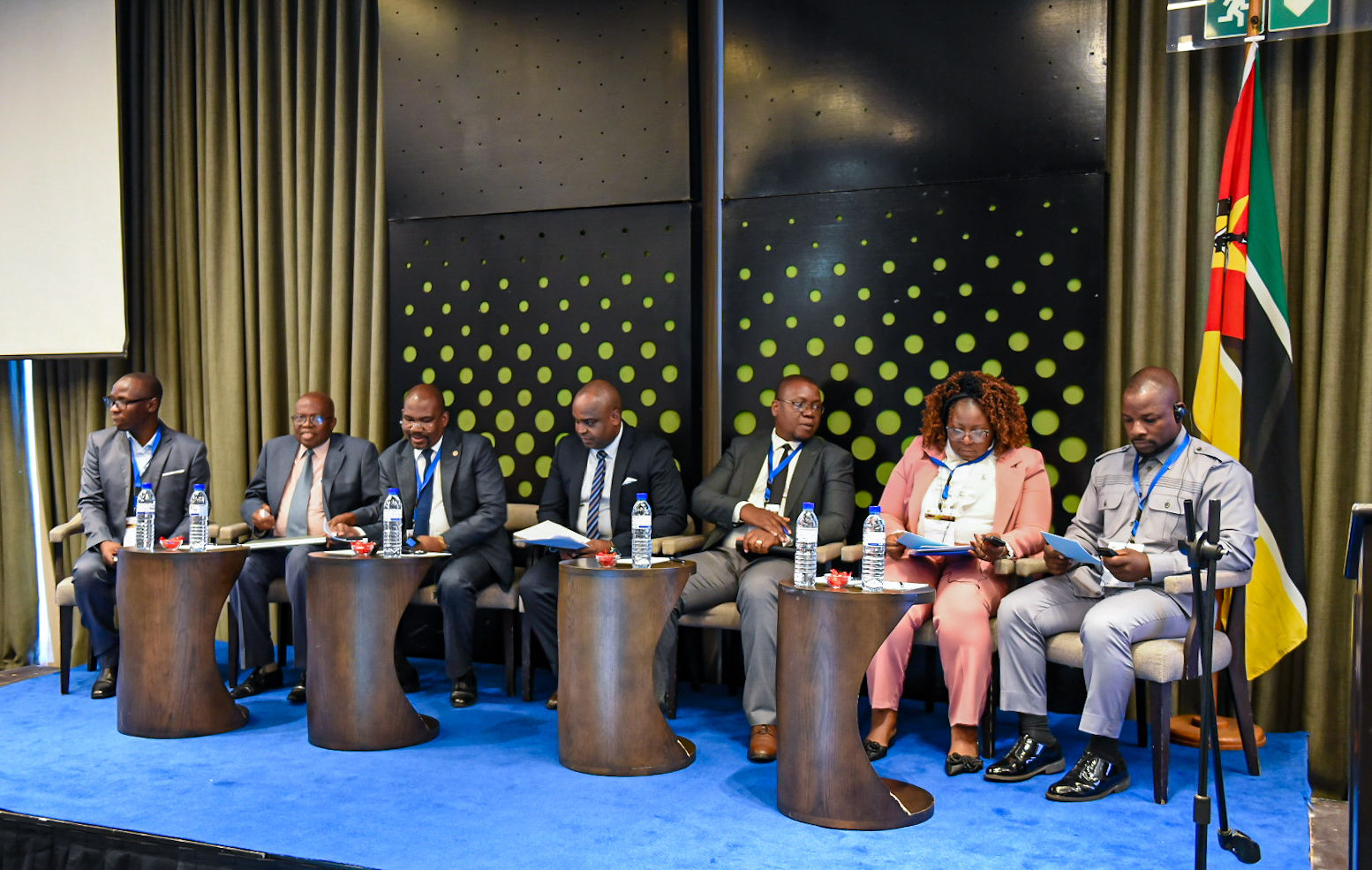
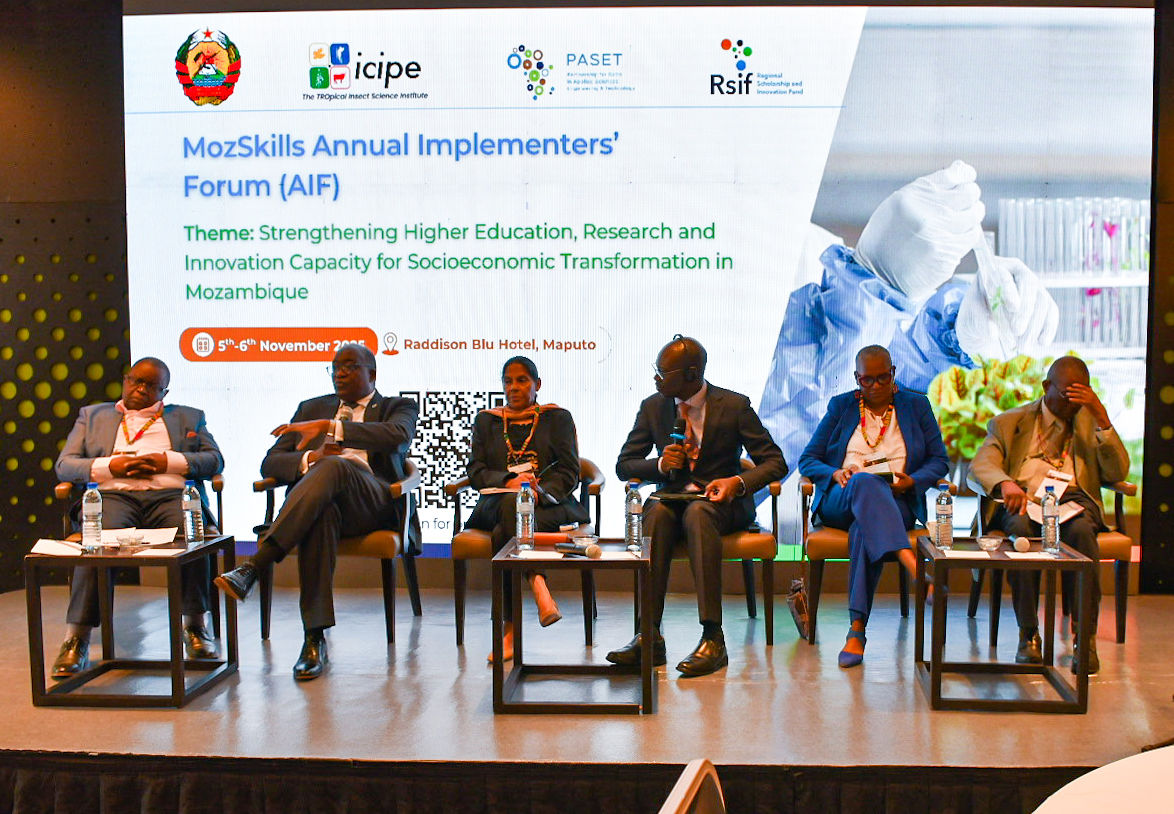
During a high-level panel moderated by Professor Mouzinho Mario from Universidade Eduardo Mondlane (UEM), participants called for a stronger focus on employability, innovation and economic relevance. Representatives from universities, government and industry stressed that future investments should move beyond funding activities and focus on outcomes that transform institutions and contribute to national development. 
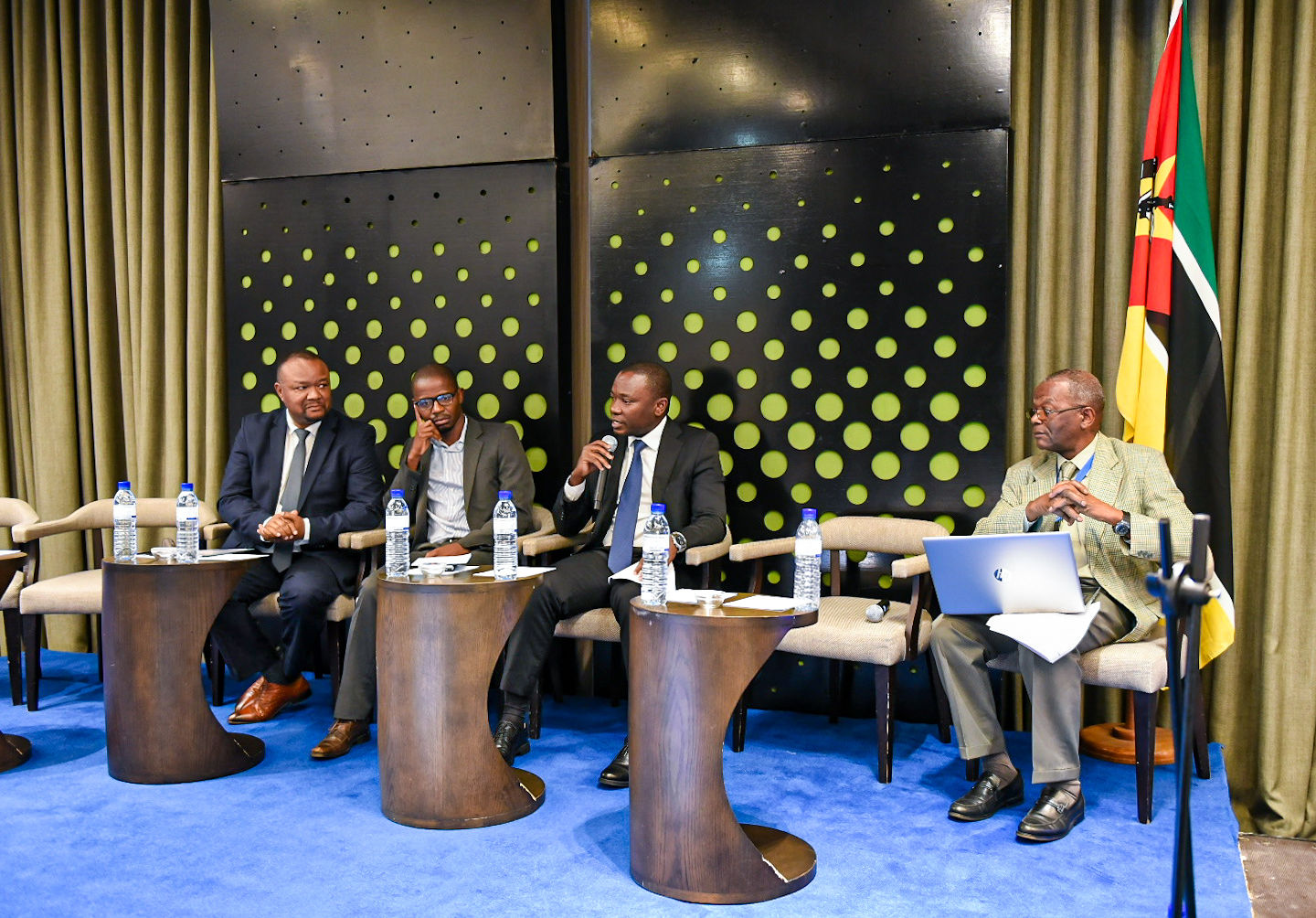
Day 2 panel session. Photo/Sakina Mapenzi

Industry representatives highlighted the need for employers to play a more active role in shaping labour-market skills, supporting research and co-developing solutions with universities. Discussions also emphasised technology transfer, innovation funding, internships, contract research, and stronger commercialisation pathways to ensure that research results translate into products, services, and jobs. 

The conversation reflected a growing recognition that strengthening research capacity alone is not enough. Universities must also become engines of innovation and economic transformation.  

Catalyst for change  

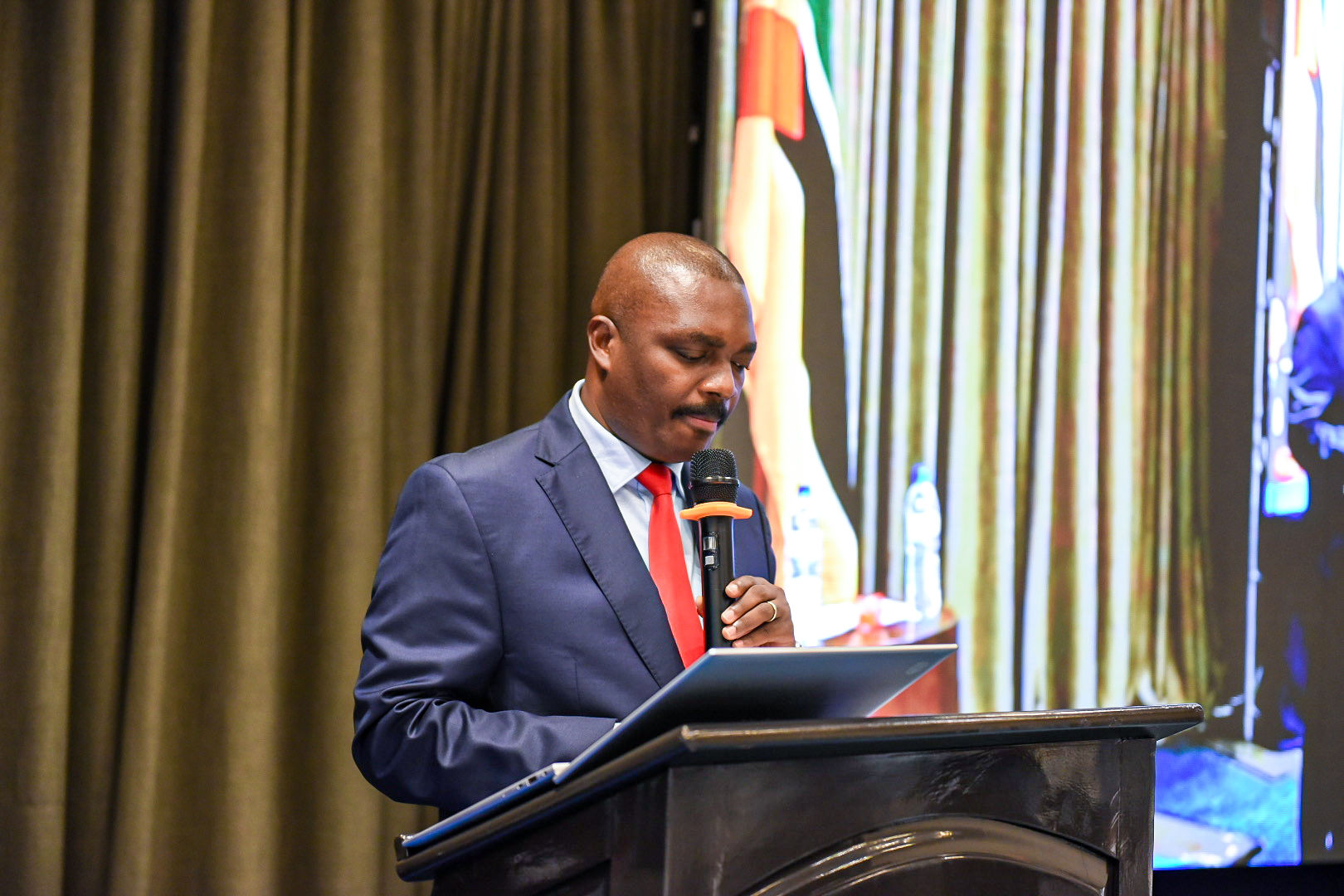
Looking ahead, Dr Uilson Timane, Director of Autoridade Nacional de Ensino Professional (ANEP), presented the newly launched MozJob programme as a key mechanism for carrying forward the skills development agenda.
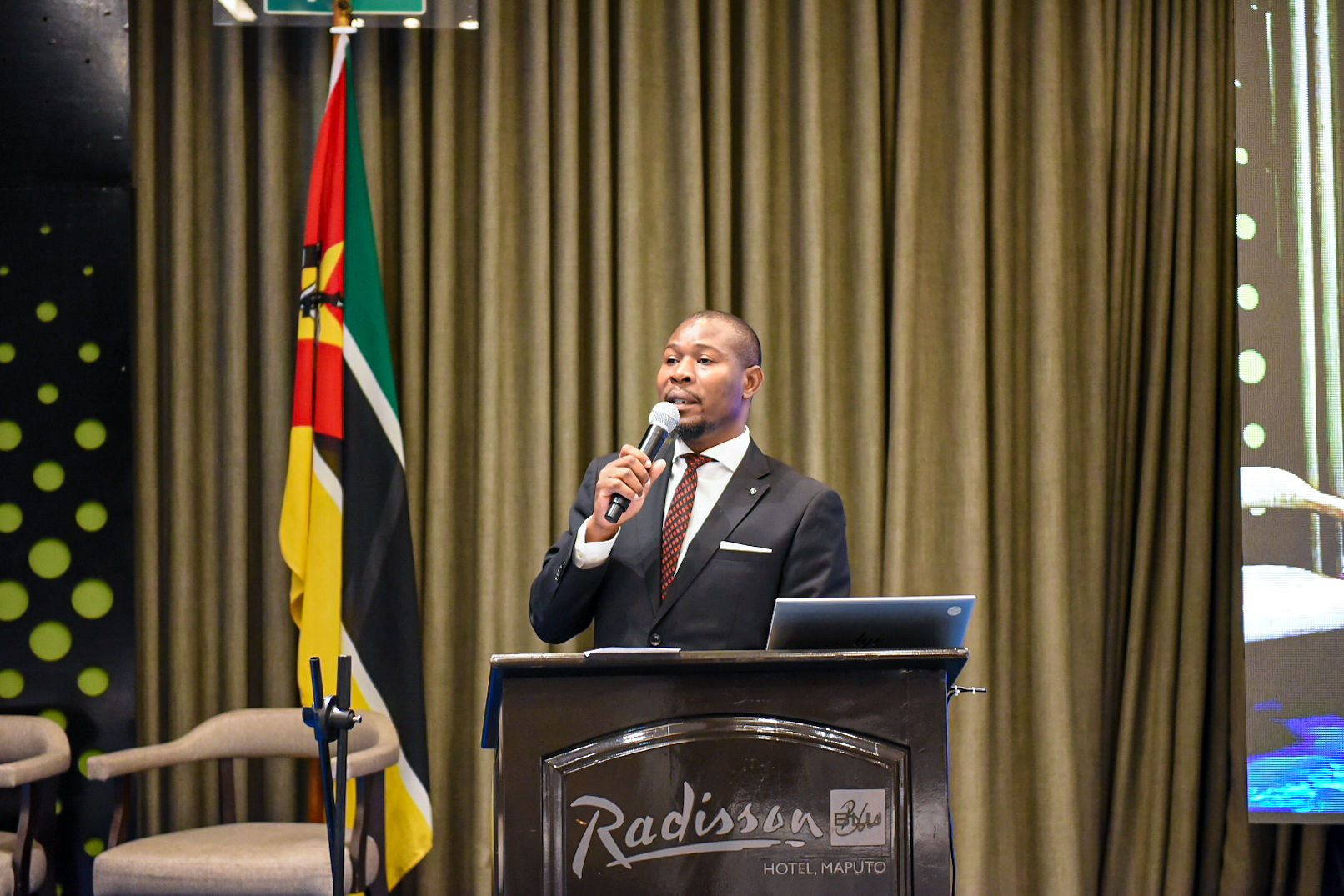
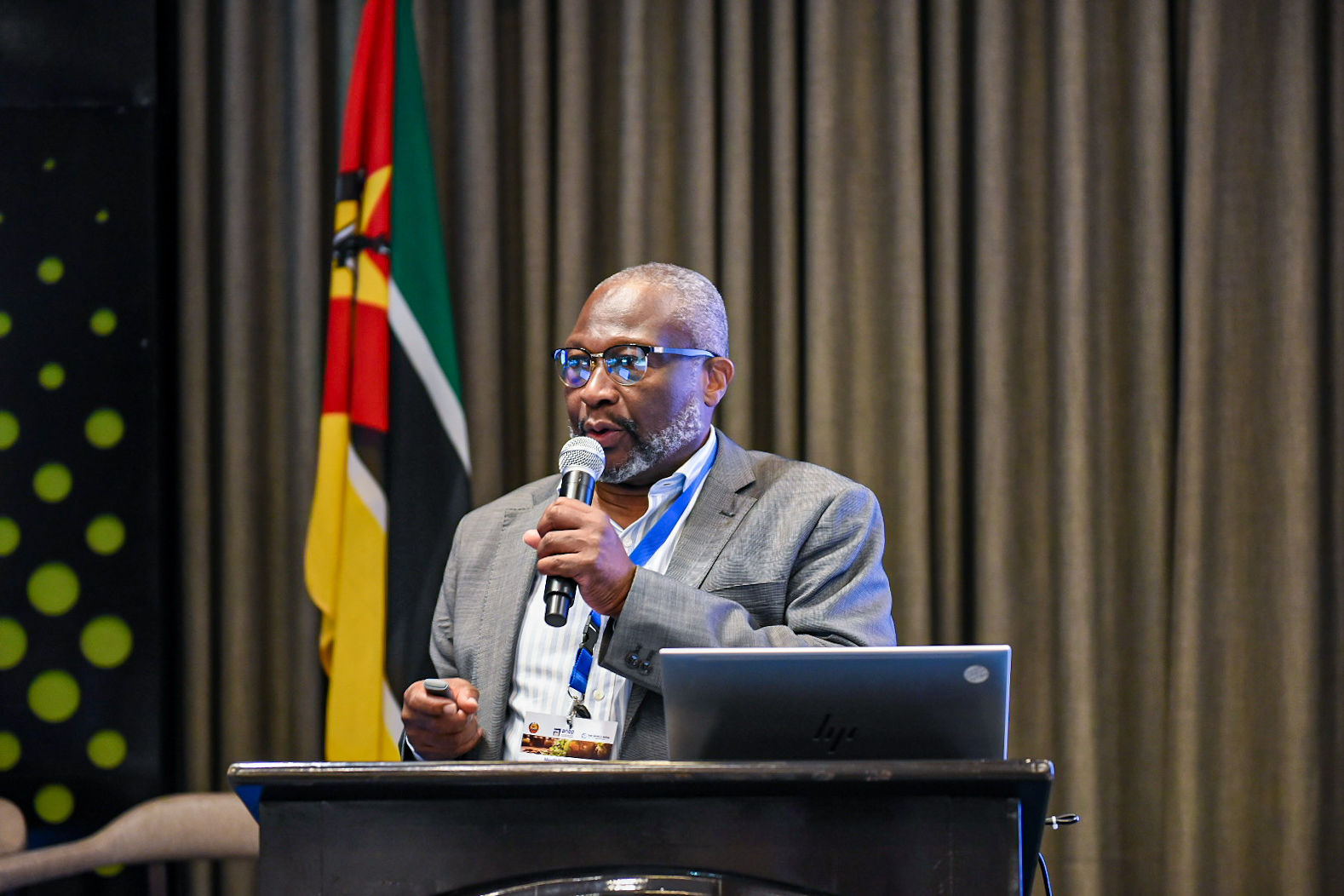
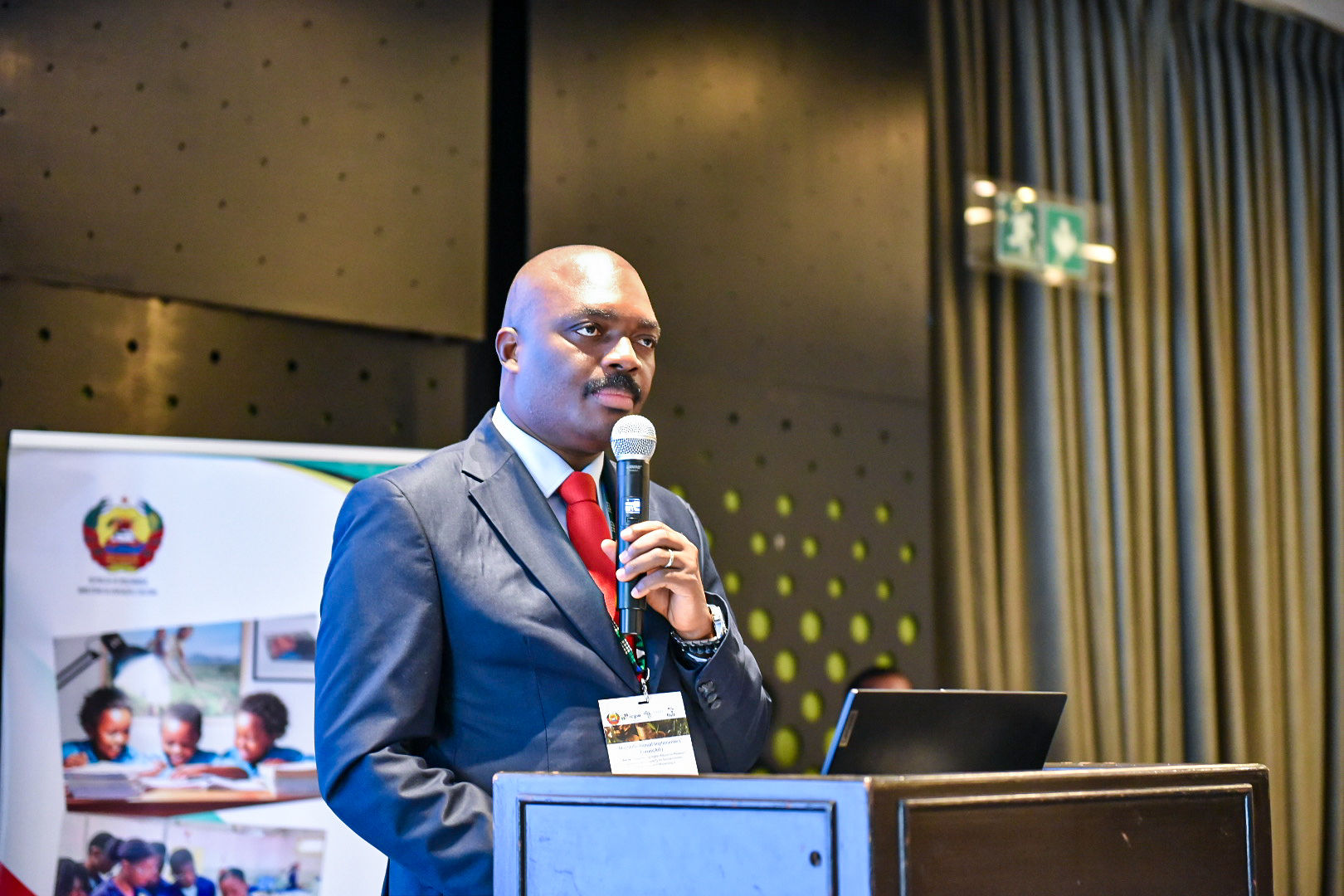
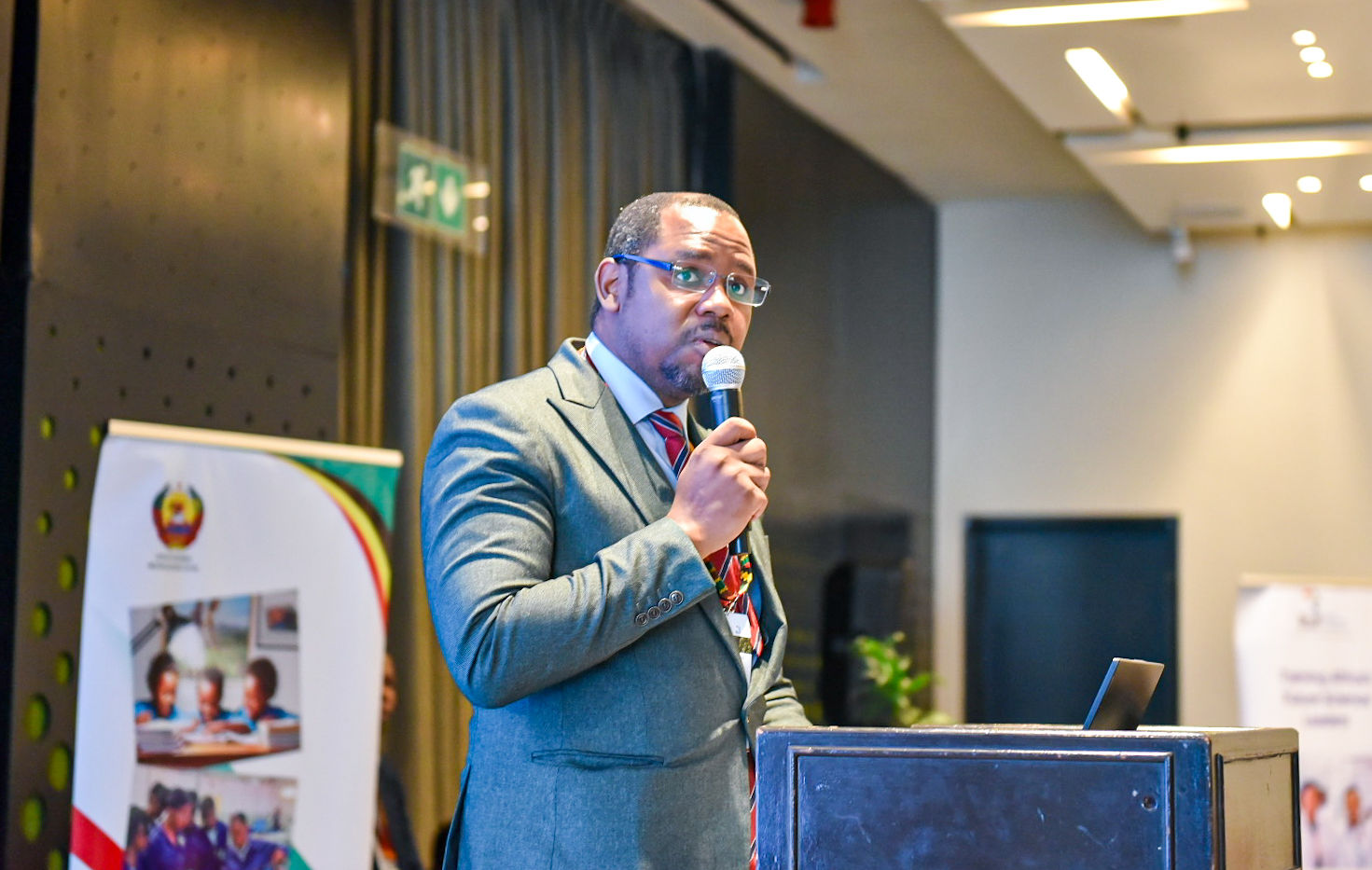
Dr Uilson Timane, Director of AutoridadeNacional de Ensino Professional (ANEP)
Dr Uilson Timane, Director of AutoridadeNacional de Ensino Professional (ANEP). Photo/Sakina Mapenzi

The USD 150 million initiative will focus on youth employability, productive-sector participation and workforce development in sectors including energy, agribusiness, tourism, ICT, transport and construction. 

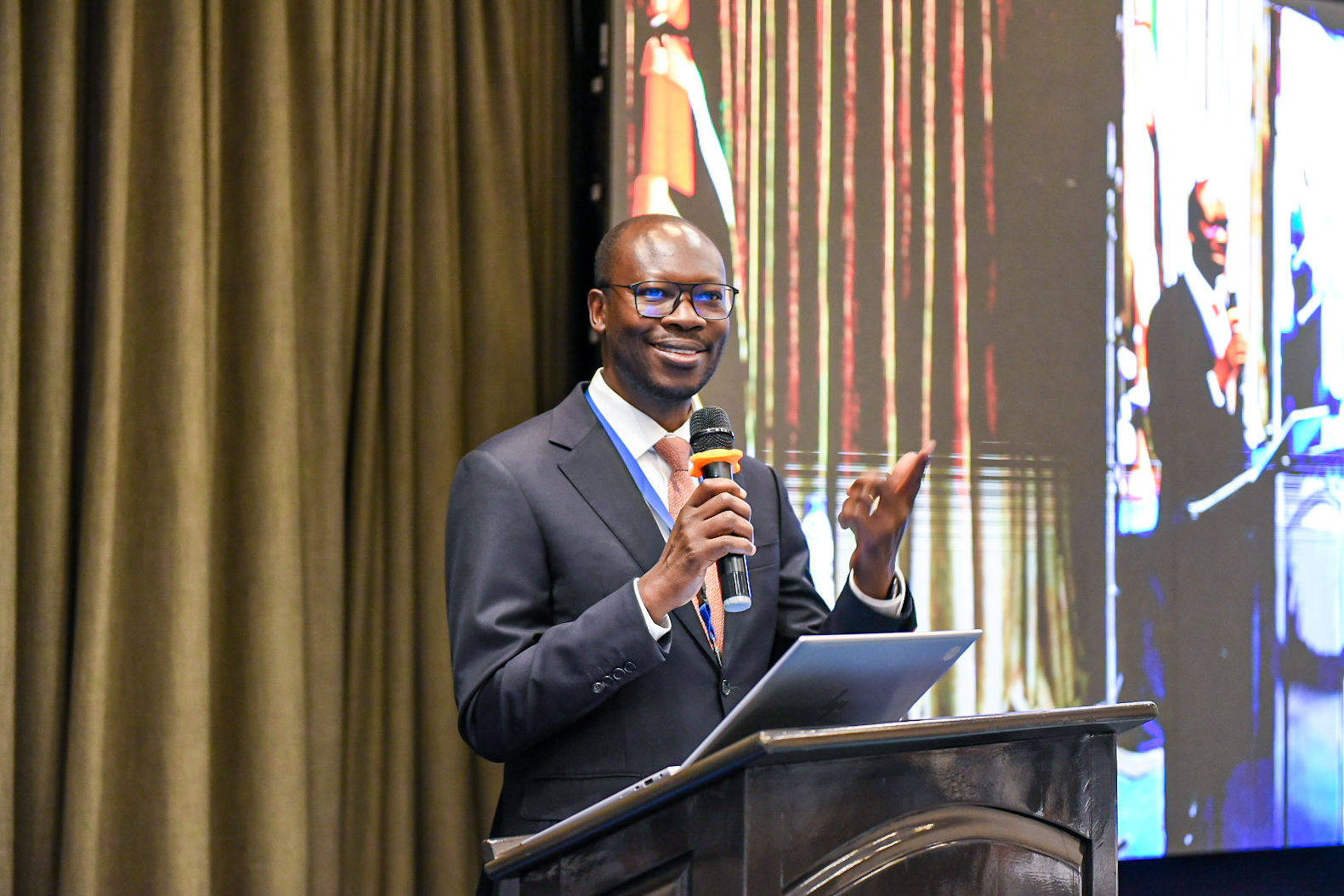
Closing the workshop on behalf of the Ministry of Education and Culture, Secretary of State for Science and Higher Education Dr Edson Macuacua described MozSkills as “more than a project” and “a catalyst for change.” 
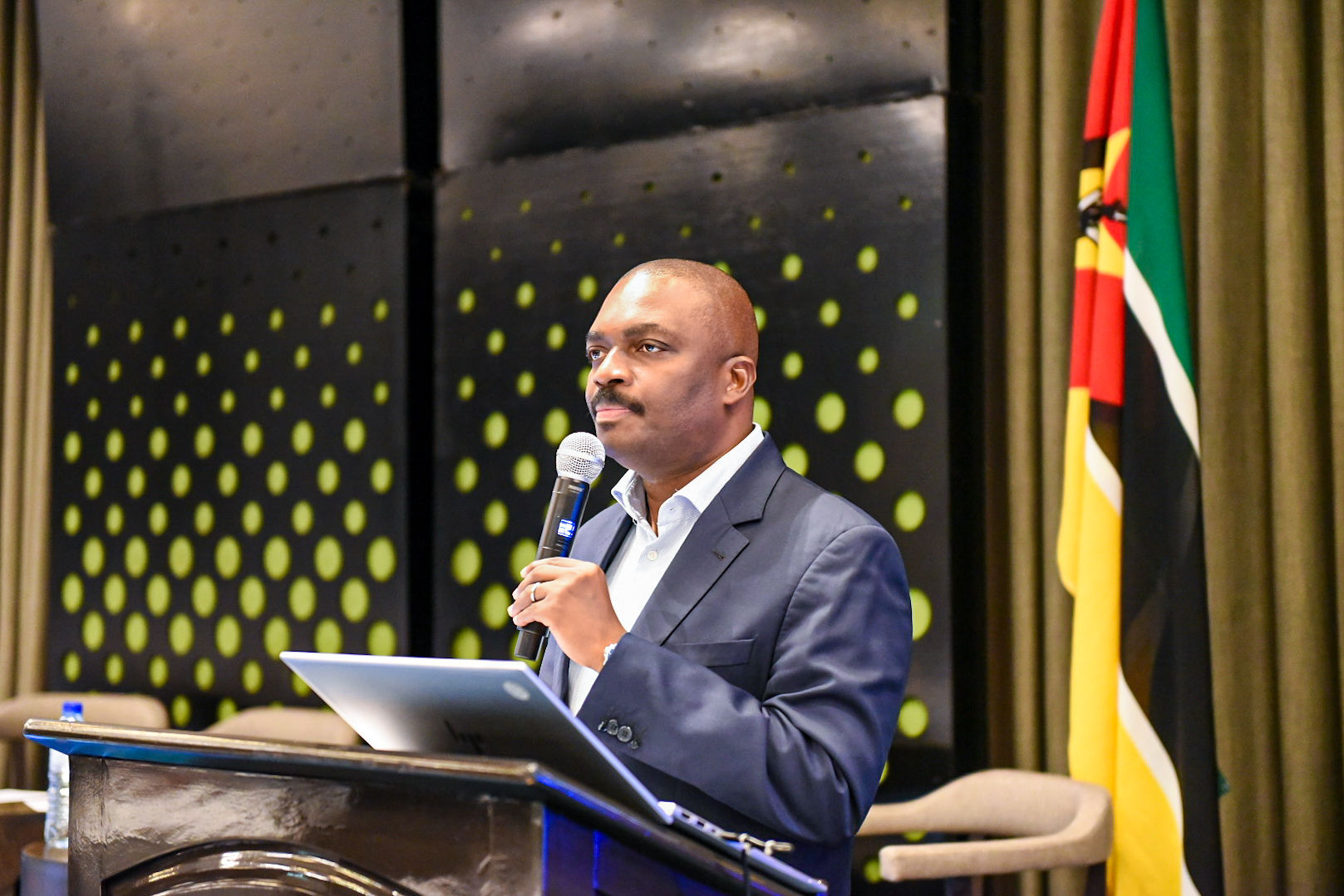
Secretary of State for Science and Higher Education Dr Edson Macuacua
Mozambique Secretary of State for Science and Higher Education Dr Edson Macuacua, giving his closing remarks. Photo/Sakina Mapenzi

Reflecting on the experiences shared by beneficiary institutions, he said the workshop demonstrated how investments in human capital, research and innovation can generate tangible results when accompanied by strong institutional commitment. 

Among the achievements highlighted were 40 PhD scholarships financed through PASET-Rsif, benefiting 32 Mozambicans, 28 peer-reviewed scientific publications and two registered patents. The project also established 124 digital spaces, equipped 23 laboratories and distributed 20,000 digital devices to students while introducing the e-SURA digital management platform in 37 institutions. 

In technical and vocational education and training, MozSkills supported the establishment of six Centres of Reference, expanded the National Catalogue of Professional Qualifications to 206 qualifications and helped ensure that more than half of learners are enrolled in programmes validated by the productive sector. 

Dr Macuacua also highlighted quality assurance achievements, including the evaluation of 961 courses, accreditation of 854 programmes and the establishment of four regional Centres of Reference in Quality and Qualifications. 

Call to action 

However, he cautioned that results alone do not guarantee sustainability. 

“It is not enough to improve physical infrastructure and curricula. We must continue investing in the training of managers and trainers to guarantee the quality of education,” he said. 

He identified institutional ownership, adaptive management and sustained financing as critical lessons from the project, noting that technical achievements can quickly erode if institutions fail to maintain infrastructure, equipment and programmes after donor funding ends. 

“The administrative closure of the project is not the end, but the beginning of a new phase of institutional appropriation,” he said. “We must ensure that every equipped laboratory and every updated curriculum continue to produce knowledge and employability opportunities for our youth.” 

To secure the project’s long-term impact, Dr Macuácua called for stronger national financing mechanisms for research and postgraduate education, simplified grant management systems, deeper industry-academia partnerships, enhanced technology transfer structures and more ambitious gender inclusion targets in STEM fields. 

As the workshop concluded, participants shared a common message: Mozambique has laid important foundations for strengthening skills development, research and innovation. The challenge now is to transform those investments into sustainable institutions, competitive industries and meaningful opportunities for the next generation. 

The success of MozSkills, they agreed, will not be measured only by the projects funded, but by the lasting impact those investments continue to generate. 

To read part 1 of the story, click here
 

Part 1. From results to sustainable impact: MozSkills legacy for Mozambique innovative future  

Maputo –  Mozambique is betting on a simple but powerful idea — that its future relies on young people equipped not just with knowledge, but with skills that can transform economies. 

That message came into sharp focus in Maputo during the MozSkills Closeout Workshop organised by the Mozambique Ministry of Education and Culture, AutoridadeNacional de Ensino Professional (ANEP) in collaboration with the International Centre of Insect Physiology and Ecology (icipe) where government leaders, universities, researchers and development partners gathered to take stock of what has been achieved — and what must come next to sustain momentum in skills development, higher education and innovation. 

The  MozambiqueThe Mozambique Skills Development Enhancement Project (MozSkills)  Project was launched in 2021 through a partnership between the Government of Mozambique and the World Bank. It seeks to strengthen skills development by investing about USD 6 million into the Partnership for Skills in Applied Sciences, Engineering and Technology (PASET)- Regional Scholarship and Innovation Fund (Rsif). Of that amount, USD 4 million supports 40 PhD scholarships, while USD 2 million funds 14 research and innovation projects led by Mozambican higher-education institutions.   

The workshop held under the theme “From results to sustainable impact” showcased how investments through the MozSkills project and the Regional Scholarship and Innovation Fund (Rsif) are strengthening STEM education, technical training systems, research capacity and institutional performance across the country.  

A national commitment to skills-driven transformation 

Opening the discussions, Dr Edson Macuacua, Secretary of State for Science, Technology and Higher Education, set a firm tone: Mozambique’s development agenda, he stressed, depends on the ability of its education and training systems to produce graduates who are not only qualified, but relevant to the country’s evolving labour market and innovation needs. 

Dr Edson Macuacua, Secretary of State for Science, Technology and Higher Education
Dr Edson Macuacua, Secretary of State for Science, Technology and Higher Education Mozambique. Photo/Sakina Mapenzi

“MozSkills has proven that when political will is aligned with technical competence and international support, impact is real. Today’s theme, ‘From Results to Sustainable Impact,’ signals that we have moved beyond implementation and entered a phase of consolidating a legacy,” he stated. 

His remarks framed skills development as a national priority anchored in transformation rather than routine reform.  

“MozSkills is not just a financing line, but a catalyst for our national development strategy and a driver of innovation, skills development and institutional transformation.” 

Dr Ana Menezes, Senior Education Specialist at the World Bank in Mozambique
Dr Ana Menezes, Senior Education Specialist at the World Bank in Mozambique. Photo/Sakina Mapenzi

Building on that, Dr Ana Menezes, Senior Education Specialist at the World Bank in Mozambique, highlighted the importance of sustained investment in STEM capacity. “Strengthening human capital remains central to improving productivity, innovation and long-term economic resilience.” 

As global evidence shows, developed economies have consistently relied on science, technology, engineering, and mathematics (STEM) education as a foundation for sustained economic growth (Bacovic, Andrijasevic & Pejovic, 2022), a reality that underscores Mozambique’s push to invest in skills development for its own growth trajectory. 

A 2023 UNU-WIDER analysis shows that although Mozambique’s education system is already producing a pipeline of STEM students, the proportions remainvery small, underscoring the challenge of scaling STEM capacity. The good news is that part of this gap is being addressed through initiatives such as the PASET-Rsif programme, which is helping to strengthen STEM training and build a stronger pipeline of skilled researchers. 

“First, MozSkills aimed to deliver important system-level foundations. The project has supported reforms and investments across TVET and higher education, from strengthening training institutions and developing industry-relevant qualifications, to improving quality assurance, expanding STEM capacity, and investing in research, innovation, and governance,” Dr Menezes stated.

She added that, “second, key results were achieved across main pillars.  These results were made possible by strong government leadership and collaboration and strong commitment reflected through the steady delivery by beneficiary institutions. We sincerely thank the Government of Mozambique here represented by the State Secretary for Science and Higher Education, for her vision and commitment and in particular the implementing agencies—MEC, ANEP, MCTD, and icipe—for their commitment, and excellent coordination. This Implementers’ Forum is itself a testament to the strength of that collaboration and to the shared commitment to results.”

Dr Menezes also pointed out that the closing of the project is not the end, but rather the transition to the next phase. “MozSkills should be seen not as a standalone project, but as part of a broader, longer-term program of reform. Its sustainability depends on continued ownership, continued implementation, and continued partnership. The lessons learned and systems strengthened through MozSkills now provide the foundation for the newly approved Program on Skills for Employment and Economic Transformation in Mozambique Program under the Multi-Phase Programmatic Approach Program on Skills for Economic Transformation and Jobs in Eastern and Southern Africa.”

From a continental perspective, Dr Julius Ecuru RCU manager reinforced the message that Africa’s transformation depends on investing in researchers and institutions capable of generating solutions from within.  “Through the partnership between the MozSkills and the PASET-Rsif, we are delivering to Mozambique a generation of highly qualified PhD graduates in important fields of applied sciences, engineering and technology. A few of them are here with us today. These are not graduates trained for the sake of a PhD degree certificate. They are scientists and engineers equipped to work on the challenges Mozambique faces, in agriculture, energy, water, digital infrastructure, mining and materials sciences.” 

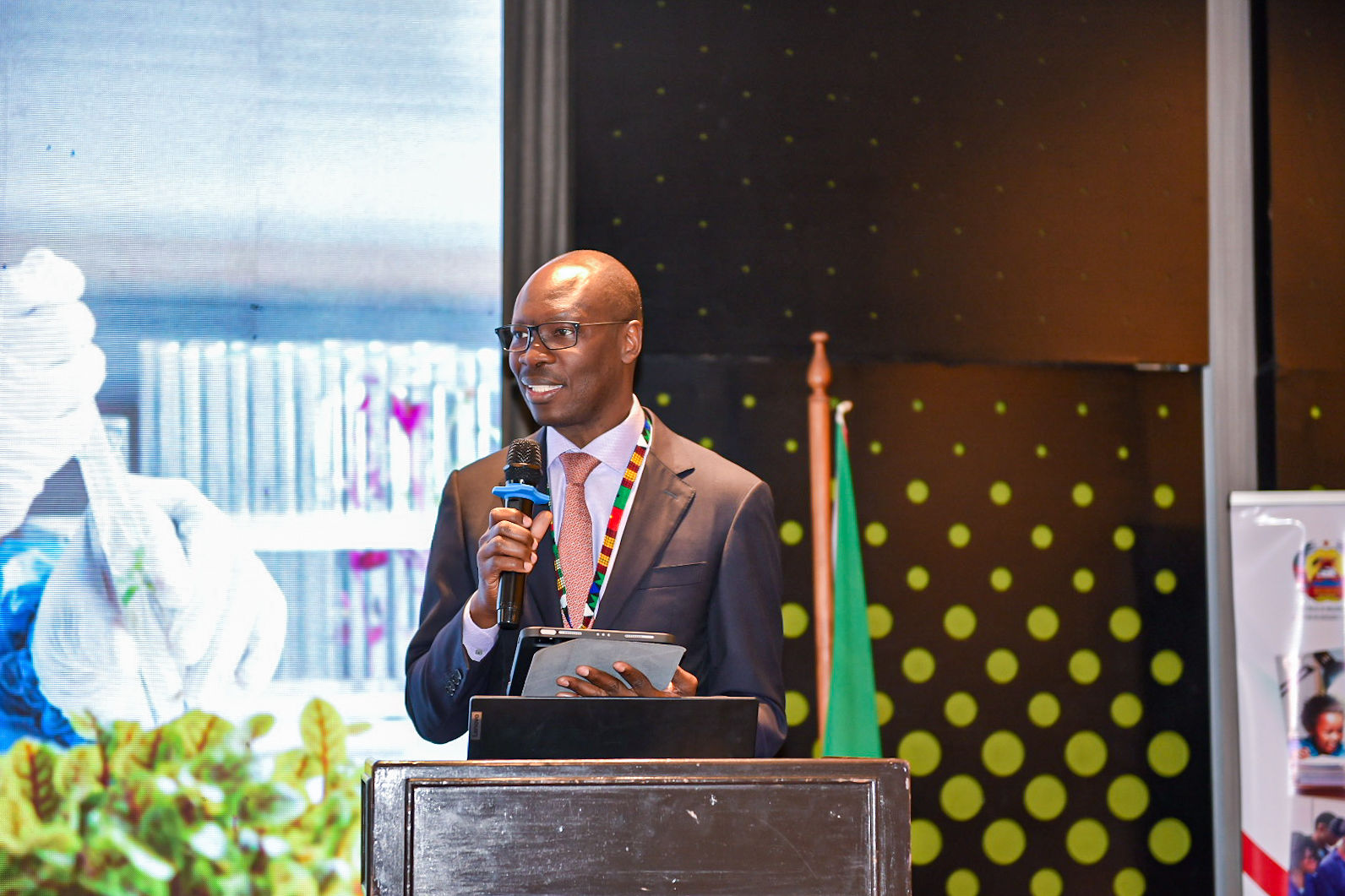
Dr Julius Ecuru RCU manager
Dr Julius Ecuru RCU manager icipe.
Photo/Sakina Mapenzi

He stated that Rsif is helping to build a pipeline of scientists and innovators whose work is increasingly shaping development priorities across the region. 

“The second result is institutional. A brilliant graduate working inside a university that cannot support research, recognise innovation, or connect to industry will struggle to make an impact alone, however well trained he or she may be. That is why, alongside the scholarships, we have worked deliberately to help Mozambican universities build the enabling institutional environments that innovation needs: stronger research management, grant administration, quality assurance, and closer links to government and to industry.’’ 

He also emphasized that the MozSkills results were never meant to end with the closing of the project but are meant to be the beginning of something Mozambique can sustain and grow, and called on the Government of Mozambique to continue to work together through PASET-Rsif through icipe, and through the networks of universities, researchers and industry partners that MozSkills has helped to build and connect across the country and the region.  

“The need for highly qualified scientists and engineers, for innovative universities, and for a robust national innovation system does not disappear when a project closes its books. If anything, it grows more urgent. “ 

Turning investment into evidence of impact 

Beyond speeches, the workshop shifted quickly into evidence — what exactly has changed on the ground. 

Dr Michael Kidoido, Monitoring and Evaluation specialist at icipe
Dr Michael Kidoido, Monitoring Evaluation and Learning specialist at icipe. Photo/Sakina Mapenzi

Dr Michael Kidoido, Monitoring Evaluation and Learning specialist at icipe presented findings from an independent evaluation of Rsif/MozSkills scholarships, confirming strengthened research capacity, improved institutional linkages, and positive progression among beneficiaries. 

Dr Danilo Parbato
Dr Danilo Parbato

Dr Danilo Parbato and Dr Amandia Jotamo followed with results from MozSkills investments through the Institutional Development Fund (FDI) and the Capacity Building Programme for STEM Teacher Trainers (PCFP), showing measurable improvements in teaching quality, institutional systems and STEM training delivery across higher education institutions. 

The message emerging was consistent: investment is no longer abstract — it is visible in stronger institutions and better-prepared educators and researchers. 

Universities tell the story of change 

If the morning session was about policy and evidence, the afternoon brought lived experience. 

Dr Everlyn Nguku, The Head of Integrated Capacity Building Platform at icipe

The first panel, moderated by Dr Everlyn Nguku, The Head of Integrated Capacity Building Platform at icipe, explored how Rsif and MozSkills are reshaping research and innovation ecosystems within universities. 

On the panel were senior leaders from Mozambique’s higher education sector, including Prof Edson Raso (UniPungue), Prof Catarina Tivane (UniSave), ProfMario Tauzene (ISPG), Prof David Selemane (ISPT), Prof Noe Hofiço (UniZambeze), Prof Marcelino Lipola (UniLúrio), alongside Rsif scholar Egas Armando. 

The panel session.
The panel session. Photo/Sakina Mapenzi

Prof Raso noted that “the combined support from Rsif and MozSkills is beginning to strengthen institutional research systems and expand opportunities for academic collaboration.” 

Prof Tivane reflected that “investment in staff development and training is translating into more structured and responsive teaching and learning environments.” 

Prof Tauzene observed that “capacity-building interventions are gradually improving the quality and consistency of research and postgraduate supervision.” 

Prof Selemane emphasized that “technical institutions are increasingly better equipped to integrate innovation and applied research into training programmes.” 

Prof Hofiço said “the strengthening of STEM-focused programmes is helping universities respond more effectively to national development needs.” 

Prof Lipola highlighted that “partnerships under MozSkills are enhancing academic mobility, collaboration and institutional learning.” 

Egas Armando shared that “the programme has opened pathways that allow young researchers to contribute meaningfully to scientific knowledge and national development priorities.” Adding that it opened for him research opportunities in Rwanda, Kenya and Korea. 

Their reflections pointed to a gradual but visible shift: stronger research environments, improved supervision systems, expanding academic collaboration, and growing confidence among emerging researchers who previously had limited access to advanced training opportunities. 

Mr Armando’s experience, in particular, illustrated how targeted support is translating into real research pathways for young scientists. 

Bridging skills and the labour market 

Dr Anisio Matangala, MozSkills coordinator- TVET at ANEP, reinforced a critical message: strengthening institutions alone is not enough unless training is closely aligned with labour market realities. 

Dr Uilson Timane, Director-General of ANEP
Dr Anisio Matangala of ANEP

He emphasized the need for deeper partnerships between training institutions and industry to ensure graduates leave not just with certificates, but with competencies that respond directly to national development needs. 

TVET institutions at the centre of transformation 

The second panel, moderated by Dr Ida Alvarinho, brought together technical and vocational education practitioners from across the country, including representatives from IIC Nampula, IPM Nacuxa, IMGM Moatize, IAC Chimoio, IAB Boane and IICAEG Beluluane. 

Their experiences pointed to a sector in transition — where competency-based training, improved institutional capacity and closer engagement with communities and employers are beginning to redefine technical education. 

A shared conclusion: sustain what is working 

As the day closed, one message cut across all discussions: Mozambique is beginning to see the returns on long-term investment in skills, research and innovation — but sustaining those gains will require continued collaboration between government, development partners, universities and industry. 

Day one ended not with closure, but with a shared recognition that the real measure of success will be whether today’s investments continue to produce tomorrow’s innovators, educators and problem-solvers. 

To read Part 2 of the story, kindly click here.

Mozambique charts path to strengthen its scientific research and innovation capacity 

MAPUTO— Stakeholders in higher education, research, and innovation gathered in Mozambique capital Maputo for the 2nd Annual Implementers Forum of the MozSkills Project, and under the auspices of the Partnership for Skills in Applied Sciences, Engineering and Technology (PASET)- Regional Scholarship and Innovation Fund (Rsif).  

The MozSkills Project was launched in 2021 through a partnership between the Government of Mozambique and the World Bank. It seeks to strengthen skills development by investing about USD 6 million into Rsif. Of that amount, USD 4 million supports 40 PhD scholarships, while USD 2 million funds 14 research and innovation projects led by Mozambican higher-education institutions.  

More than 100 participants comprising 63 men and 43 women attended from universities, research institutes, industry, development partners, and regional bodies. They gathered under the theme “Strengthening Higher Education, Research and Innovation Capacity for Socio-economic Transformation in Mozambique.” 

The Forum reviewed achievements of the MozSkills over the last five years, and how these contribute to Mozambique’s socioeconomic transformation agenda.  

According to the World Bank statistics, Mozambique, home to 34.6 million people, is one of the fastest-growing economies in sub-Saharan Africa, yet it faces a low base of scientific and technological capacity: only about 0.3 per cent of GDP is spent on research and development significantly below the 1 % benchmark recommended by the African Union. For Mozambique to transform its abundant natural resources and youthful population into a diversified economy, the country must scale up human capital, research excellence, and innovation. 

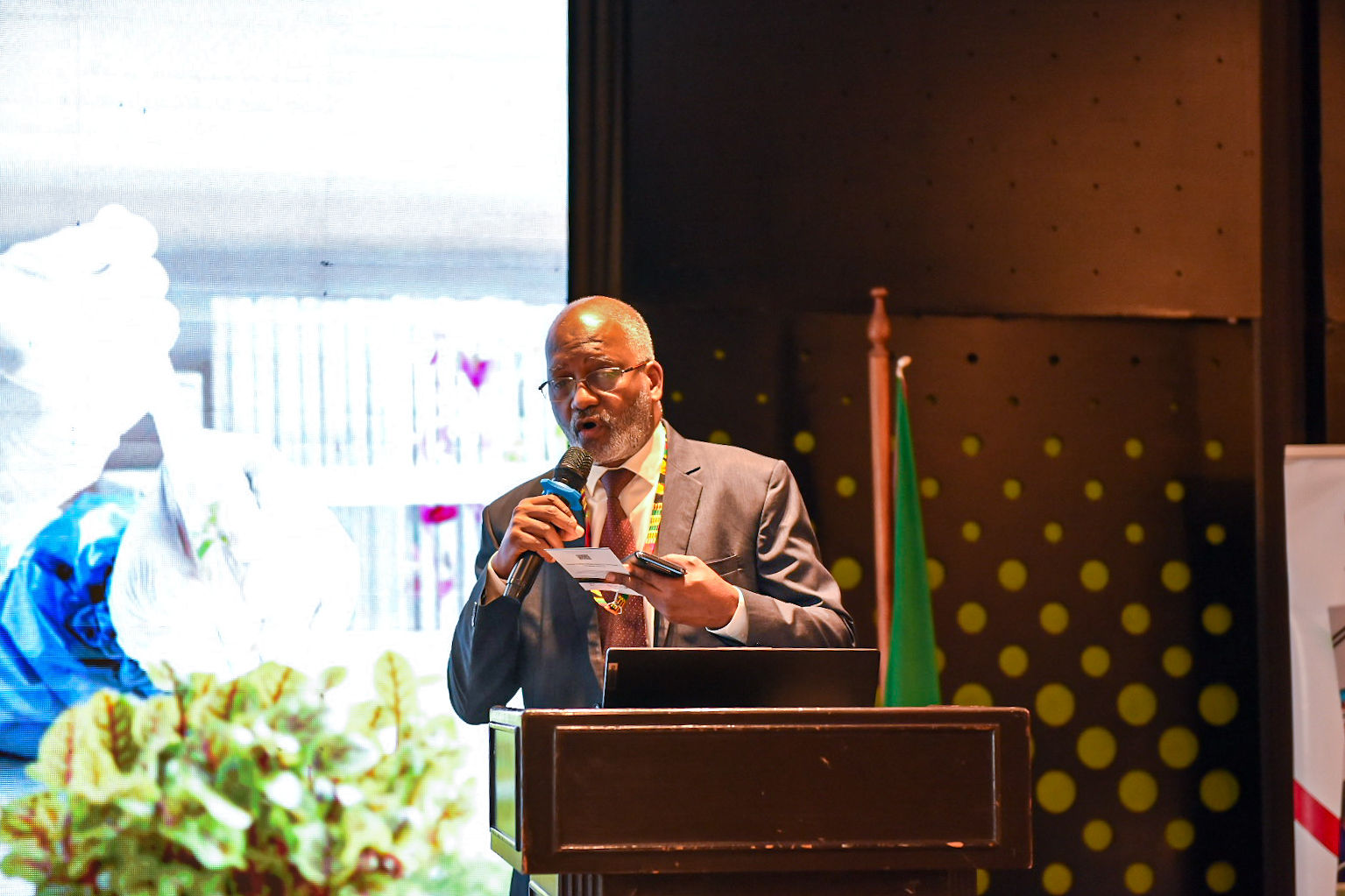
Mozambique's Secretary of State for Higher Education, Science and Technology, Dr Edson Macuacua speaking at the 2nd Annual Implementors Forum
Mozambique’s Secretary of State for Higher Education, Science and Technology, Dr Edson Macuacua officially opening the 2nd Annual Implementors Forum. Photo/Sakina Mapenzi

Speaking at the opening of the forum, Secretary of State for Higher Education, Science and Technology, Dr Edson Macuacua, emphasized that building a strong innovation system was key to ensuring a productive economy. 

“Knowledge alone without entrepreneurial skills to put the knowledge to productive use in the economy is not sufficient. Mozambique must build a strong innovation system so that it can create wealth exploration and sustainable use of it natural resources,” he said. He noted that in the new science strategy, Mozambique plans to spend at least 1.5% of its GDP on R&D. He  noted further that each province now hosts a higher education institution designed around local thematic framework to create hubs of excellence and local innovation systems. 

Dr Julius Ecuru, RCU manager icipe speaking at the forum.
Dr Julius Ecuru, RCU manager icipe speaking at the forum.Photo/Sakina Mapenzi

Dr Julius Ecuru, Manager of the Rsif Regional Coordination Unit at the International Centre of Insect Physiology and Ecology (icipe), stated that, “A good innovation system has three main functions: skilled, creative, and productive people; policies that promote innovation; and financing for creative ideas, research, and development. If these functions interact well, we can have an effective innovation system that produces new goods and services that meet our daily needs and solve societal challenges. 

Dr Ana Menezes, senior education specialist at the World Bank Mozambique
Dr Ana Menezes, senior education specialist at the World Bank Mozambique addressing the forum.Photo/Sakina Mapenzi

Dr Ana Menezes, senior education specialist at the World Bank Mozambique, echoed the need for high quality and skilled human capital in the economy.  

She added that, “Research and innovation is key to achieving national development priorities including technical skills transfer, evidence-based knowledge sharing.” 

“The World bank is keen to continue facilitating the innovation agenda outlined in the Government priorities for implementing public institutions of higher learning,” she said.  

Dr Calado Muinga from the Ministry of Higher Education, Science and Technology, who also serves as the Mozambique representative on PASET Executive Board
Dr Calado Muinga from the Ministry of Higher Education, Science and Technology, who also serves as the Mozambique representative on PASET Executive Board addressing the forum.Photo/Sakina Mapenzi

Dr Calado Muinga from the Ministry of Higher Education, Science and Technology, who also serves as the Mozambique representative on PASET Executive Board, reiterated the government’s commitment to investing in people: 

“Twenty-seven per cent of students in higher education are pursuing STEM courses. Investing in education for socio economic impact is a key pillar of our national development priorities.” 

National research policy and stronger innovation 

The discussion progressed into a panel session chaired by Dr Ecuru,  featuring Prof Jorge Ferrão, Rector of the Pedagogical University; Prof Mouzinho Mario, Project Coordinator Higher Education Science and Technology – Ministry of Education and Culture Dr Menezes; Prof Zélia Menete, Director of Instituto de Investigação Agrária de Moçambique (IIAM); and Mr Pedro Tomo, researcher, innovator, and founder of Gutsamba. The panelists underscored the vital role higher education institutions, Prof Ferrão underlined the importance of aligning academic programmes with the country’s development needs and emphasized the need to expand technical and vocational education alongside university training. Dr Menezes indicated that building a skilled workforce, including more women and youth innovators, is a critical foundation for a thriving knowledge economy. 

A panel session during the forum.
A panel session during the forum. Photo/Sakina Mapenzi

Strong collaboration among stakeholders emerged as a central theme, with Prof Menete, calling for enhancement of partnerships between universities, research institutions, industry, and government.  

Prof Mouzinho noted that the existing university funding structures are barriers to cooperation, suggesting a need for reforms that incentivize joint efforts. According to Mr Tomo, creating an enabling environment—especially through increased investment and private sector engagement—was key to creating a dynamic innovation ecosystem capable of producing market-ready solutions. 

The conversation also stressed the necessity of supporting scientists beyond research by helping them translate ideas into commercial products and services. This includes mentoring researchers, strengthening entrepreneurial leadership, and establishing platforms that foster interaction with the private sector. Such support mechanisms are critical for closing the gap between innovation and market impact, ultimately driving economic growth and national development. 

These observations by the panelists align with findings from a UNESCO study on “Mapping research and innovation in the Republic of Mozambique” which urged the country to expand postgraduate studies and promote high-quality research and innovation. The study also recommended promotion of doctoral studies for university academic staff and researchers and institutionalizing novel ways to foster higher education institutions -industry linkages, incentive schemes, and support for prototype development. 

Participants keenly following the session.
Participants keenly following the session. Photo/Sakina Mapenzi

The forum also featured another discussion on how investments in higher education and research can be more effective in contributing to Mozambique’s socioeconomic transformation. The panelists included Prof. Catarina Tivane Nhamposse, the Rector Universidade Save, Dr Angelo Francisco Notisso Nhalidede from the Ministry of Planning and Development, Dr Ruth Moirana, Rsif alumna and Faculty Member Nelson Mandela African Institute of Science and Technology, Tanzania and Dr Manuel Rebelo, Pedagogical University of Maputo.  

Dr Ruth Moirana, Rsif alumna and Faculty Member Nelson Mandela African Institute of Science and Technology, Tanzania
Dr Ruth Moirana, Rsif alumna and Faculty Member Nelson Mandela African Institute of Science and Technology, Tanzania. Photo/Nelia Cruz

The panelists reflected on the importance of reforming the higher education system and the need for flexible policies for hiring staff to support entrepreneurship at the university. Dr Rebelo reiterated the need for alignment between higher education and national priorities while Dr Nhalidede suggested that sustainability depends on researchers as a catalyzer for economic transformation. Prof Nhamposse noted the need for more investments on innovations development as this ensures the universities are able achieve more sustainability and have more impact in their community a Dr Moirana  while reflecting on the impact of Rsif pointed out the importance of integrating early career scientists in the education system to learn and be ready to take up the mantle. 

Impact of MozSkills 

Dr Danilo Parbato, Manager of the Institutional Development Fund (FDI) highlighted how MozSkills project played a pivotal role in enhancing Mozambique’s higher education and research landscape, contributing directly to the development of an innovation-driven economy.  

By improving digital infrastructure across institutions of higher learning, it has enabled a more connected and collaborative learning environment, both locally and internationally. The project has strengthened academic quality through curriculum accreditation and the establishment of quality assurance units, setting higher education institutions on a path of improved governance and standards.

Dr Danilo Parbato, Manager of the Institutional Development Fund (FDI).
Dr Danilo Parbato, Manager of the Institutional Development Fund (FDI) addressing the forum.Photo/Sakina Mapenzi

 In teaching and capacity building, MozSkills has empowered university lecturers with modern STEM teaching methods, positively impacting thousands of students and promoting gender inclusivity in science and technology fields. The support for advanced research through scholarships and innovation projects is nurturing a new generation of researchers equipped to tackle Mozambique’s development challenges. 

Furthermore, MozSkills emphasizes inclusion and employability by increasing female participation, facilitating employability workshops, promoting student entrepreneurship, and providing digital tools to students who need them most. Overall, the project is driving systemic improvements in Mozambique’s innovation ecosystem by developing human capital, expanding research capacity, and bridging digital and gender gaps. 

Lessons for the future 

While highlighting successes alongside emerging lessons for the future, participants underscored the importance of stronger innovation systems which are crucial for socio-economic transformation, relying on three key elements: human capital, adequate financing, and a supportive policy environment. Developing skilled researchers and innovators, ensuring sustainable funding for research and innovation activities, and creating clear policies that foster creativity and commercialization are fundamental to building an ecosystem that drives growth and development. 

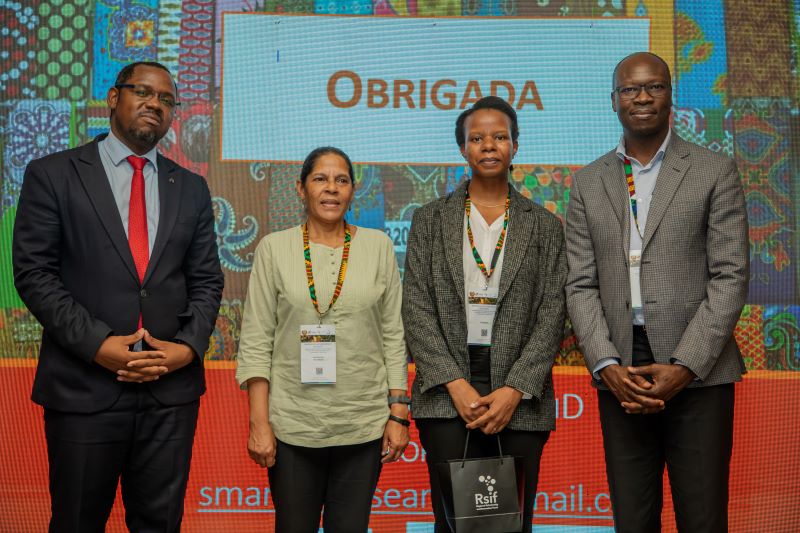
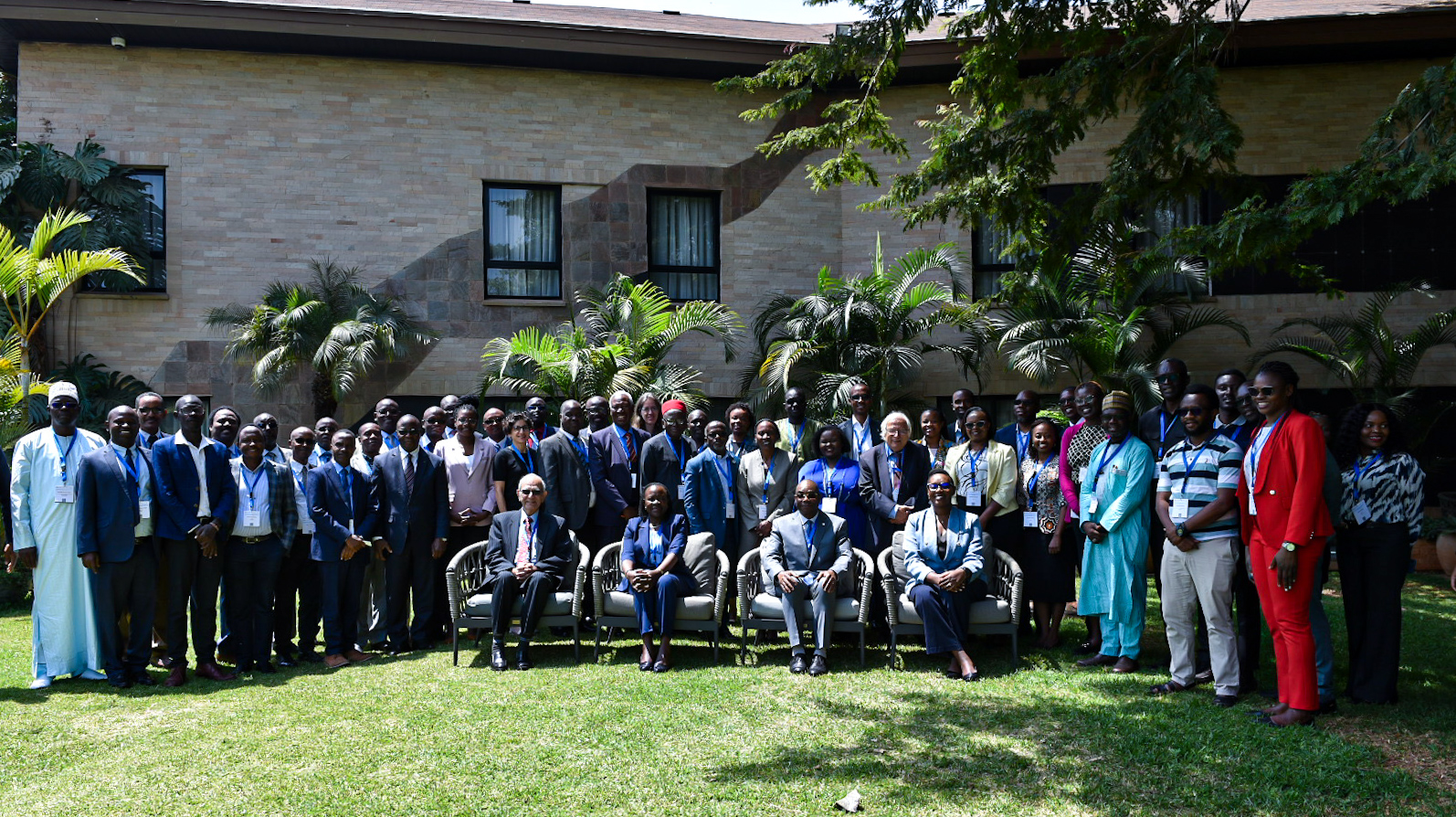
Dr Dr Calado Muinga, Dr Ana Menezes, Dr Raquel Matavele Chisumba and Dr Julius Ecuru pose for a group photo at the closing ceremony.
Dr Dr Calado Muinga, Dr Ana Menezes, Dr Raquel Matavele Chisumba and Dr Julius Ecuru pose for a group photo at the closing ceremony. Photo/Nelia Cruz

The forum acknowledged the need for long-term commitment which is essential for sustaining the MozSkills project over decades—to nurture talent, build infrastructure, and embed a culture of innovation that can adapt and evolve with changing needs. This extended timeframe allows for meaningful impact on higher education, research quality, and technological advancement. 

Furthermore, there was a call for scientists to be active players within the entrepreneurial ecosystem. By engaging directly with industry and commercialization processes, researchers can help translate discoveries into market-ready products and services. This connection not only accelerates economic growth but also ensures that innovation responds effectively to societal challenges, reinforcing the link between knowledge generation and real-world impact. 

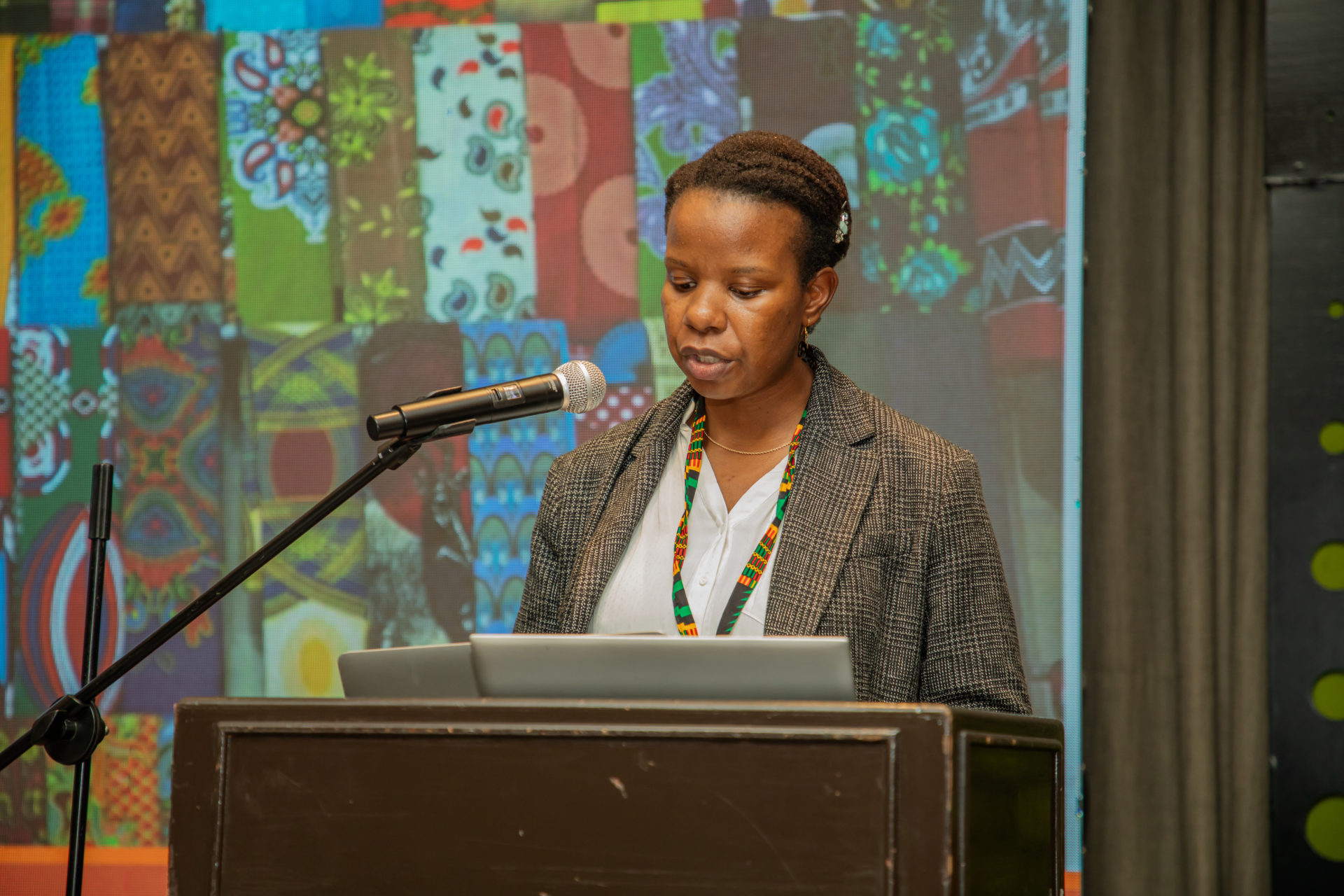
Dr Raquel Matavele Chisumba making her closing remarks.  Photo/Nelia Cruz
Dr Raquel Matavele Chisumba making her closing remarks. Photo/Nelia Cruz

In her closing remarks, Dr Raquel Matavele Chisumba who represented the Minister of Education and Culture, reiterated earlier observation that enhancing the quality and impact of doctoral training aligns with the national agenda for research. “Successful examples shared during this forum serves as inspiration for advancing our higher education systems,” she said while emphasizing the importance of commitment, creativity, and collaboration in achieving the desired goals following the forum discussions. 

Mozambique is now at a crucial juncture; to realize its full innovation potential, urgent steps are needed to strengthen institutional frameworks and increase investment in research and development. Building stronger partnerships across sectors and embedding inclusive policies will create a great environment for sustainable innovation. By prioritizing these areas, Mozambique can transform its scientific knowledge into tangible economic and social benefits for the nation. 


Scientists and Policy Makers Chart the Future of Africa’s Higher Education and Skills Development

The Partnership for Skills in Applied Sciences, Engineering and Technology (PASET) held Governance Meetings and High-Level Policy Dialogue in Nairobi, Kenya between 24–25 September bringing together ministers of education, senior policymakers, academia and researchers to chart the future of higher education and skills development in Africa.

All PASET’s key governance organs, including the Governing Council, Executive Board, and Consultative Advisory Group, held their regular meetings alongside a High-Level Policy Dialogue on Skills Development.

Nurturing the next generation of scientists

Speaking at the policy dialogue, icipe Director General, Dr Abdou Tenkouano pointed out that the integrated approach represents a unique opportunity to advance critical policy discussions on skills development in Africa and strengthen PASET’s governance.

He highlighted that the model of higher education training at icipe has positioned the centre at the forefront of addressing the most pressing challenges in Africa and globally like climate risks, biodiversity loss, poverty and food security, and unemployment through insect science-based solutions.

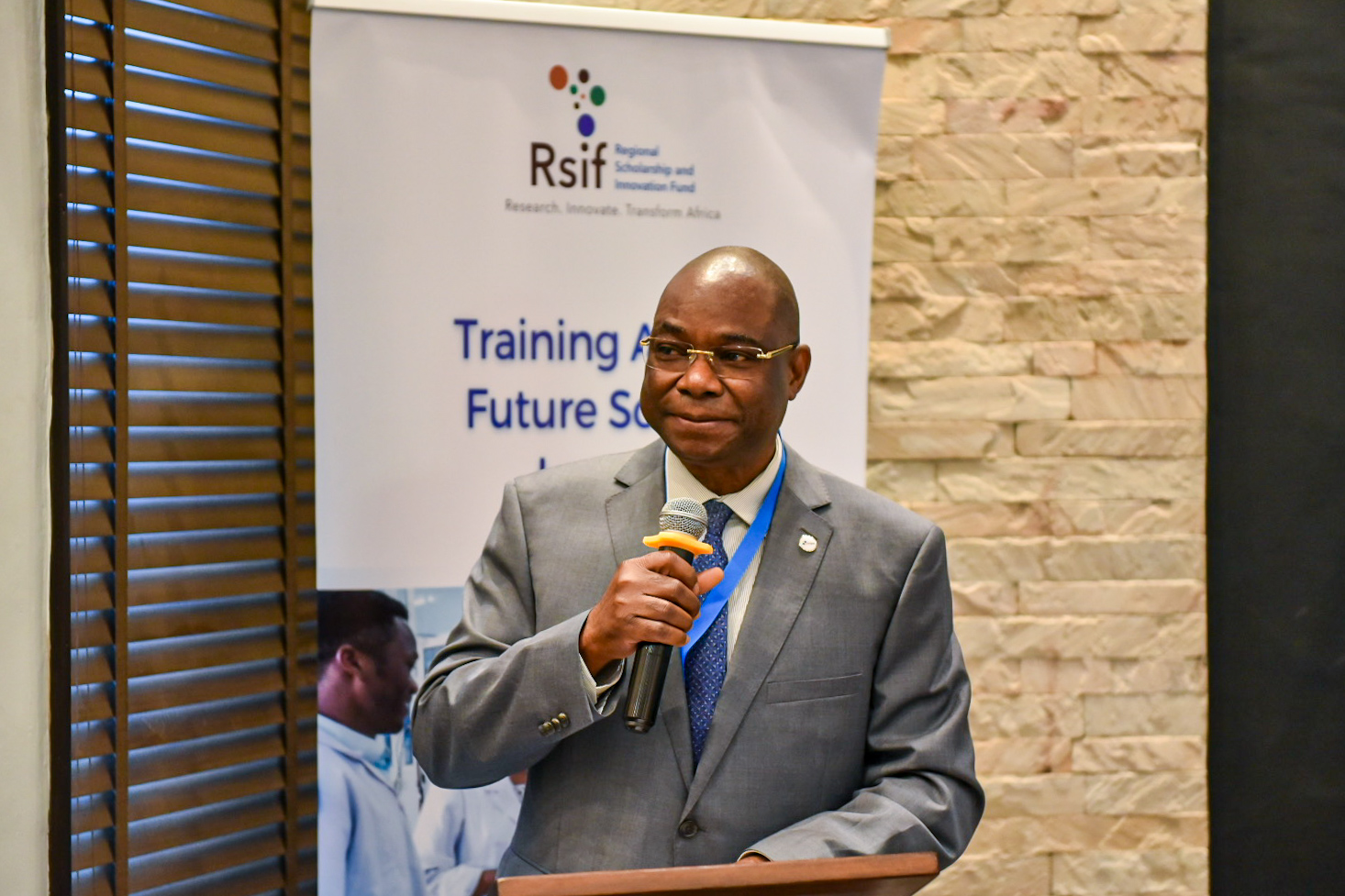
icipe Director General, Dr Abdou Tenkouano
icipe Director General, Dr Abdou Tenkouano speaking at the meeting. Photo/Sakina Mapenzi

He also underscored the centre’s commitment to nurturing the next generation of scientists. He explained that icipe fosters a diverse and inclusive environment for research and innovation, hosting between 150 and 180 postgraduate students at any given time—44% of whom are women.

“icipe does not offer degrees, but partners with universities in Africa where students are registered and conferred the degrees. Students spend 3 years of their research at icipe, where they are co-supervised by icipe scientists and university faculty. Over 96% of the students at icipe complete their PhD and do so within the allocated timeframe,’ Dr Tenkouano remarked.

“This model of higher education training has put icipe at the forefront of addressing the most pressing challenges in Africa and globally like climate risks, biodiversity loss, poverty and hunger, and unemployment through insect science-based solutions.  Our research for development work including capacity development, complements the efforts of African governments to advance science, technology, and innovation for socio-economic transformation.  Investment in human capital, skills and scientific research, and in strategic partnerships are essential for sustainable industrialisation, growth and social well-being,’’ he noted.

Dr Tenkouano also underscored that icipe with a mandate from PASET, and through the Regional Scholarship and Innovation Fund (Rsif) is now training up to 302 PhDs across Africa in five priority areas; ICTs including big data and artificial intelligence, Food security and agribusiness,  Minerals, mining and materials engineering,  Energy including renewables, and Climate change. He also affirmed that icipe is pleased to be the Regional Coordination Unit for PASET Risf; and will continue doing its best to implement it according to international best practice, transparency, and efficiency.

Strengthening research ecosystems

Prof Aminata Diallo, Chair of the PASET Executive Board, emphasized the Board’s critical role in turning strategy into impact and hailed progress made through Rsif.

“We are especially proud of the progress made through initiatives such as the Regional Scholarship and Innovation Fund, which continues to support talented African researchers and strengthen our research ecosystems,’’ she stated.

“Doctoral training is not only vital for Africa’s development but also for building the capacity of our host universities. It enhances research excellence, trains the next generation of professors, and enables institutions to generate solutions in areas that are critical for our continent—such as ICT, including big data and artificial intelligence, food security and agribusiness, mining and materials, energy, and climate change. Investing in high-quality doctoral programmes therefore strengthens both individuals and institutions, creating lasting impact,’’ Prof Diallo underscored.

Prof Diallo indicated that the high-level policy dialogue provides an important moment for reflection on how to improve doctoral training—not only in terms of numbers but also in terms of quality, relevance, and impact. She added that the discussions would help the executive board better align programmes with national priorities and with Africa’s broader development goals.

Building  skilled workforce

Kenya’s Principal Secretary, the State Department for Technical, Vocational Education and Training (TVET),Dr Esther Thaara Muoria, who read a speech on behalf of Cabinet Secretary Ministry of Education, Julius Migos Ogamba pointed to the surge in higher education fueling economic development by building a skilled workforce with critical expertise thereby driving productivity and innovation across Sub-Saharan Africa but also acknowledged existing challenges.

Kenya’s Principal Secretary, the State Department for Technical, Vocational Education and Training (TVET),Dr Esther Thaara Muoria
Kenya’s Principal Secretary, the State Department for Technical, Vocational Education and Training (TVET),Dr Esther Thaara Muoria speaking at the meeting.Photo/Sakina Mapenzi

She indicated that universities and colleges conduct vital research creating focused solutions in different sectors of the economy including the five Rsif priority areas.

Dr Muoria stressed that higher education must go beyond awarding degrees and actively nurture entrepreneurship by equipping graduates with the skills to start businesses and create jobs. She emphasized that universities play a critical role in helping governments formulate evidence-based policies for sustainable economic growth.

The CS also called for a paradigm shift in training approaches, “A major shift in higher education training is to ensure that our education and the skills we produce should be relevant for the labour market. This implies a major shift towards learner-centered learning and problem-based instruction, emphasizing practical skills, entrepreneurship and digital literacy.’

She added that, “Higher education should therefore strive to enhance global competitiveness by producing talents and competencies that attracts investments that should integrate into the world economy.’’

Engines of research and innovation

Rwanda’s Minister of State for Education and Chair of the PASET Governing Council Claudette Irere indicated that doctoral training lies at the heart of building Africa’s knowledge economy.

She said, “Doctoral training lies at the heart of building Africa’s knowledge economy. Our universities are not only centres of advanced learning but also engines of research, innovation, and practical solutions to challenges in health, agriculture, environment, technology, and governance. The findings of the study to be presented today—covering Ethiopia, Kenya, and Rwanda—will provide valuable evidence to guide the strengthening of doctoral and postdoctoral programs so they better contribute to our national and continental development priorities.’’

Rwanda’s Minister of State for Education and Chair of the PASET Governing Council Claudette Irere
Rwanda’s Minister of State for Education and Chair of the PASET Governing Council Claudette Irere. Photo/Sakina Mapenzi

“As Chair of the PASET Governing Council, I take pride in the collective efforts we have made in advancing science, technology, and higher education across our member states. Yet we must acknowledge the gaps that persist. Too often, PhD graduates face difficulties linking their research to industry, policy, and societal needs. This dialogue is therefore timely: it offers us an opportunity to reflect on achievements, identify challenges, and propose strategies to ensure doctoral training is relevant, impactful, and globally competitive,’ the minister emphasized.

Policy Recommendations

Dr Agnes Lutomiah, a research fellow at the Africa Centre for Technology Studies (ACTS), presented evidence-based insights from the study “Transforming Higher Education for National Growth: Findings and Policy Recommendations from the Doctoral and Postdoctoral Training Study for Ethiopia, Kenya, and Rwanda.” Her presentation highlighted key findings and policy recommendations aimed at strengthening doctoral and postdoctoral training to drive national growth.

The objective of the study was to: evaluate enrolment, completion rates, gender inclusivity, and alignment with Rsif thematic areas; analyze pipeline issues, supervision, funding gaps, and employment outcomes; map institutional, national, regional, and international funding for doctoral research plus assess university-industry linkages, collaborations, and research commercialization.

The findings also indicated that in Kenya, 26.9% the students had considered leaving or actually left their programs, whereas only 10.0% of Rwandan students had contemplated leaving. In Ethiopia,  40.7% of the students had considered or left their programs.

Dr Agnes Lutomiah, a research fellow at the Africa Centre for Technology Studies (ACTS)

‘We found that while enrolments are rising in our higher learning institutions, many students drop out due to due to lack of funds, family commitments, mental health challenges, isolation, work responsibilities and supervisory frustrations,’ Dr Lutomiah revealed.

The study recommended developing a national doctoral education policy to standardize quality, aligning with development goals, and promoting gender equity; establishing structured postdoctoral programmes to retain research talent; creating centralized funding portals and resource centres to support grant access and mentorship; enhancing supervision and mentorship through regular evaluations; and strengthening skills and career development by fostering academia–industry–government linkages.

The dialogue also featured thought-provoking panel discussions — one exploring ways to improve PhD training and boost the impact of postgraduate research in African universities, and another examining how doctoral and postdoctoral training can be better aligned with national development priorities.

At the end of these discussions, participants called on a stronger institutional framework, the need to formalize new partnerships and generate actionable policy recommendations that will shape Africa’s higher education and research landscape for years to come.

A call to action was clear – invest, collaborate, and innovate. Indeed, the future of Africa’s knowledge economy depends on how quickly these recommendations will be turned to reality – and the PASET-Rsif model offers a proven blueprint for nurturing world-class researchers and building resilient innovation ecosystems across the continent.


Story by Janet Otieno