
Part 2. MozSkills Stakeholders Chart Path from Project Results to Sustainable Impact 

MAPUTO, Mozambique — On the second and final day of the Mozambique Skills Development Enhancement Project (MozSkills) close-out workshop (read part 1 of the story here), stakeholders shifted their focus from celebrating achievements to a pressing challenge: how to ensure that the investments made in skills development, research and innovation continue delivering benefits long after the project ends. 

The discussions brought together government officials, university leaders, development partners, researchers and industry representatives under the theme “From results to sustainable impact” to reflect on six years of investment in Mozambique’s human capital and explore how to transform project results into lasting institutional and economic impact. 
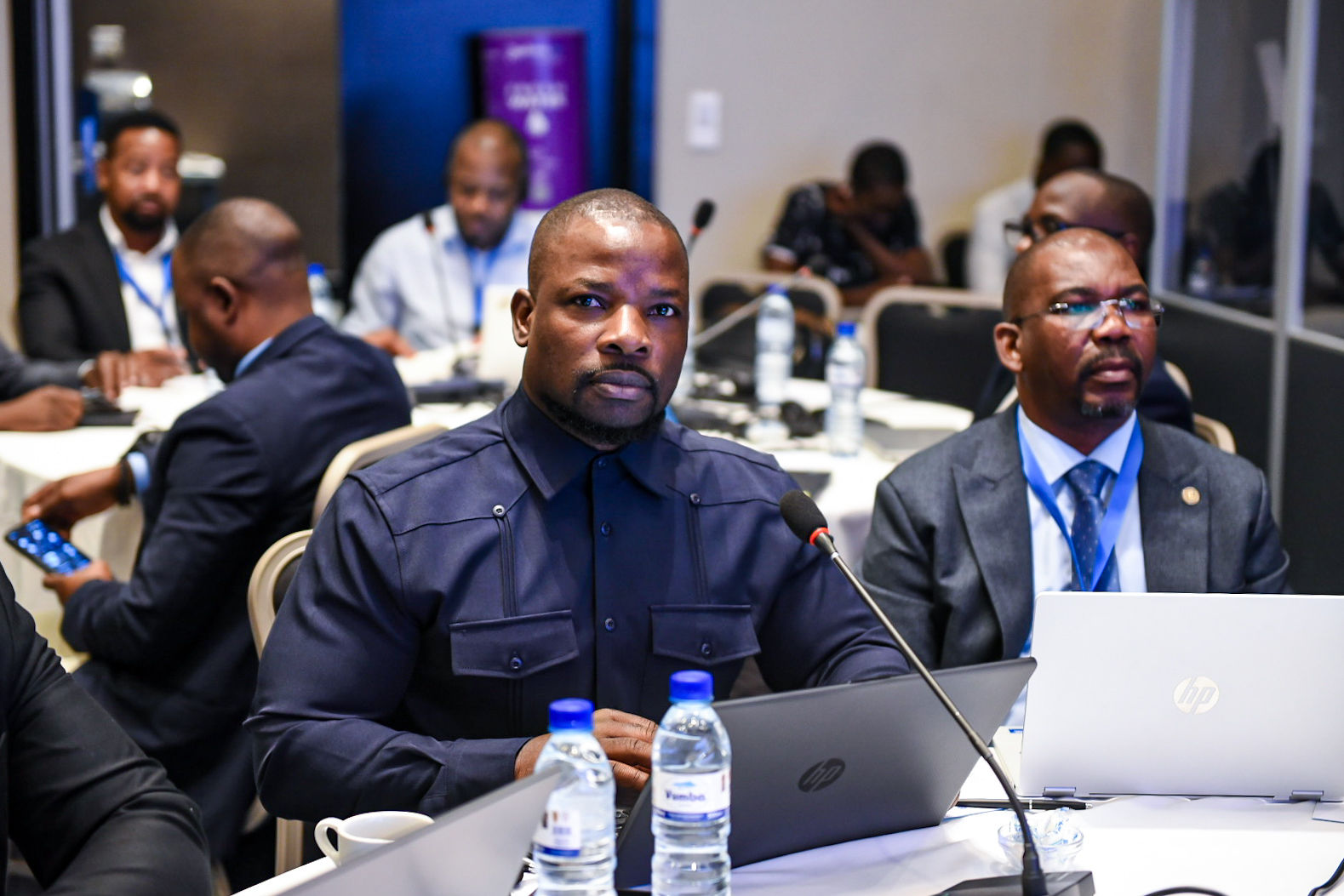
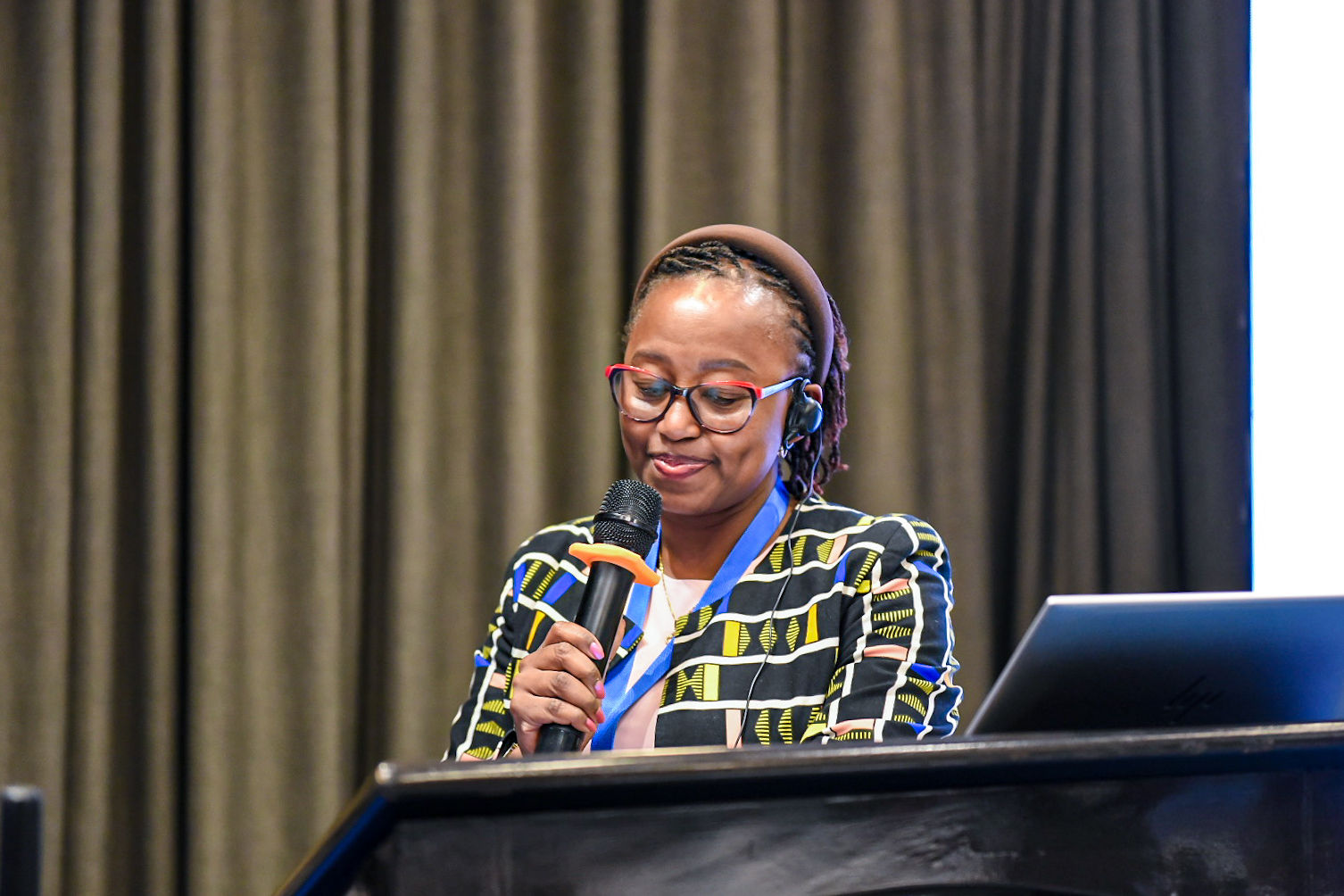
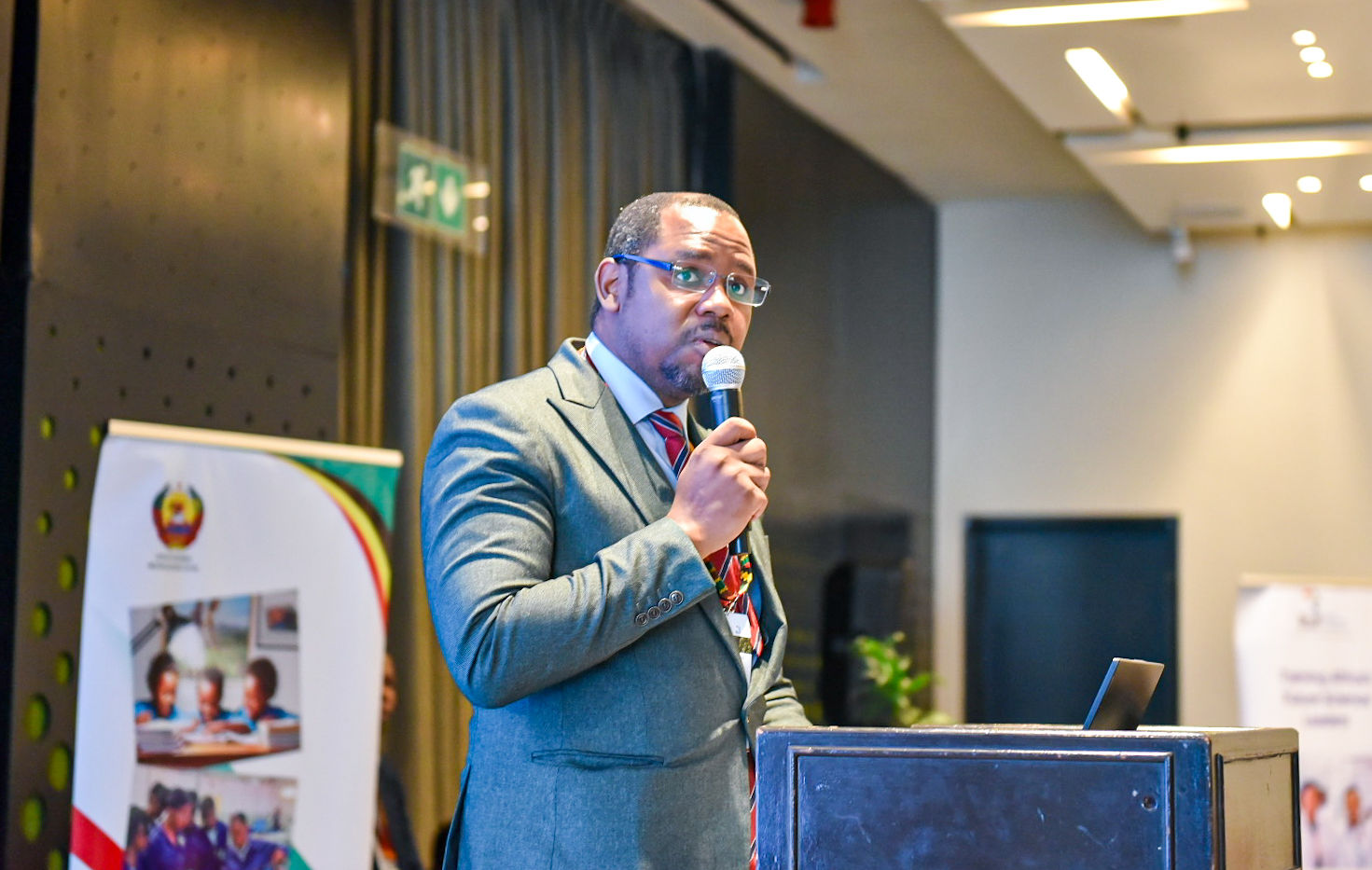
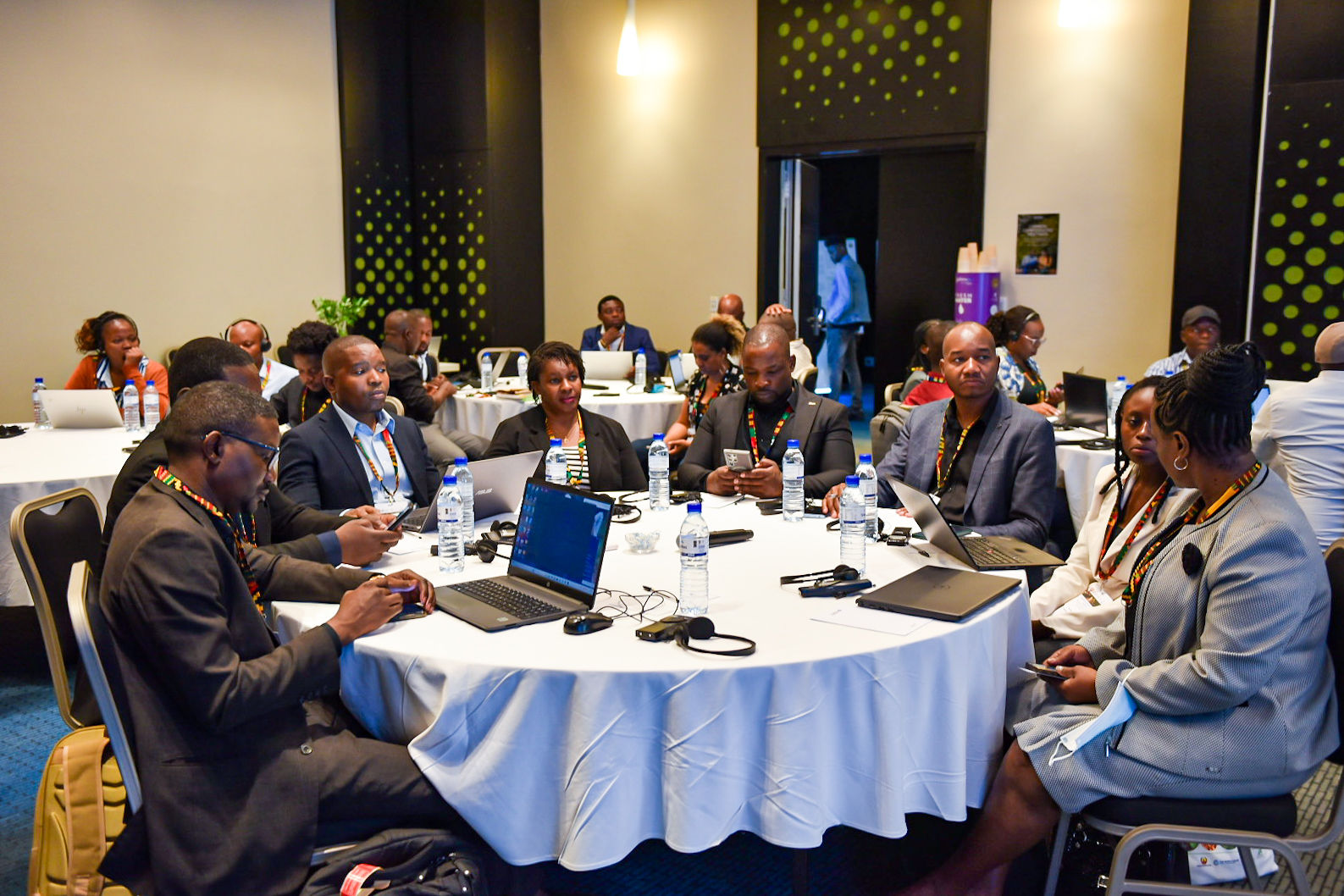
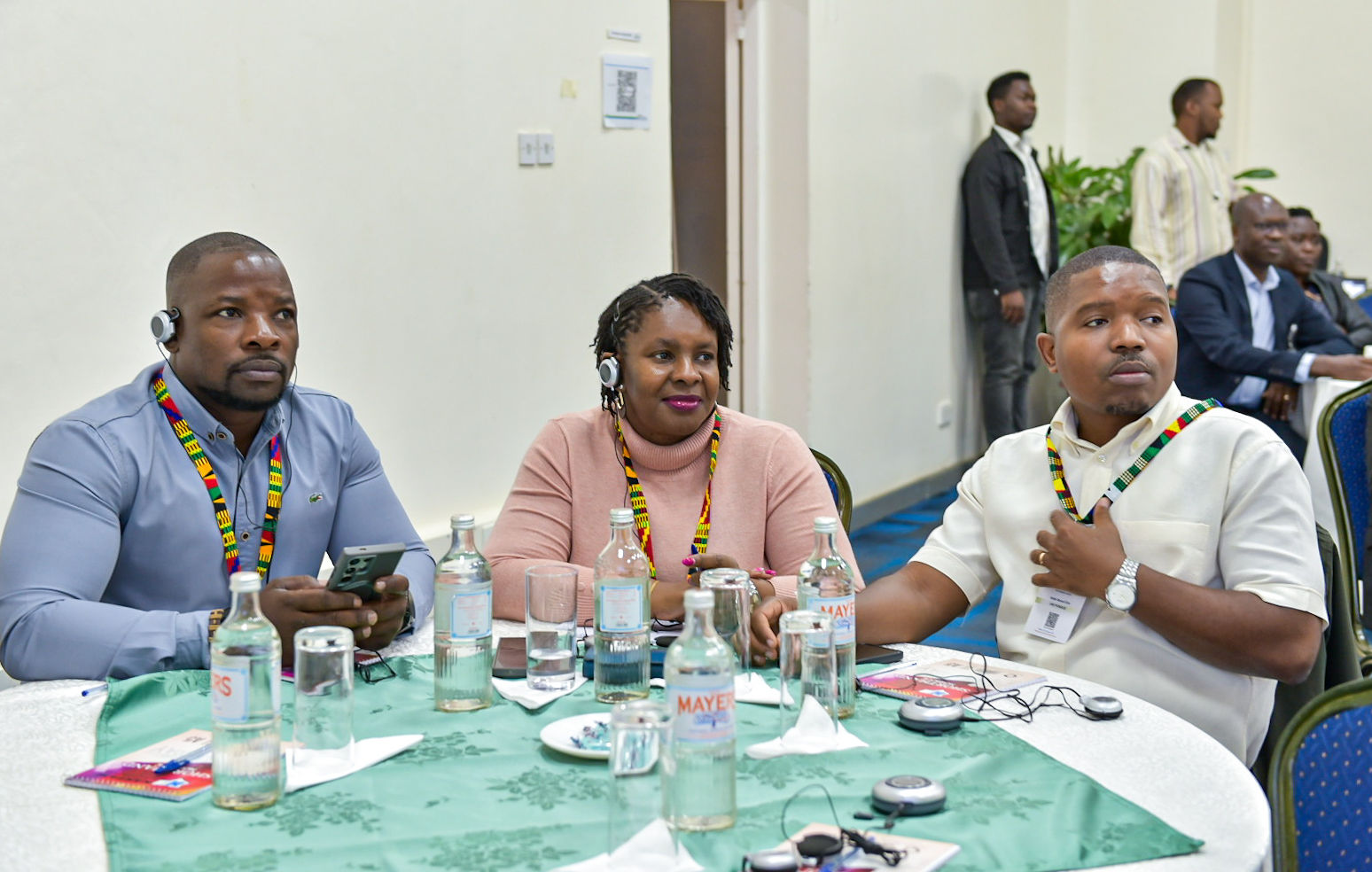
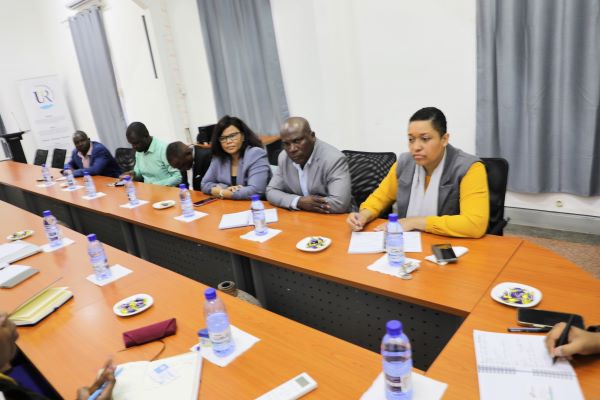
Participants follow the workshop proceedings .
Participants follow the workshop proceedings at Radisson Blu Hotel in Maputo. Photo/Sakina Mapenzi

Implemented through a partnership between the Government of Mozambique and the World Bank, the MozSkills Project invested approximately USD 6 million through the thePartnership for Skills in Applied Sciences, Engineering and Technology (PASET)– Regional Scholarship and Innovation Fund (Rsif), including USD 4 million for 40 PhD scholarships and USD 2 million for 14 research and innovation projects led by Mozambican higher education institutions. While these investments have strengthened advanced training and research capacity, participants agreed that the project’s legacy will ultimately be measured by institutions’ ability to sustain and build upon the gains achieved. The International Centre for Insect Physiology and Ecology (icipe) is the regional coordination unit of PASET-Rsif. 

Quality assurance 

A key focus of the day’s discussions was the strengthening of Mozambique’s higher education quality assurance system. 

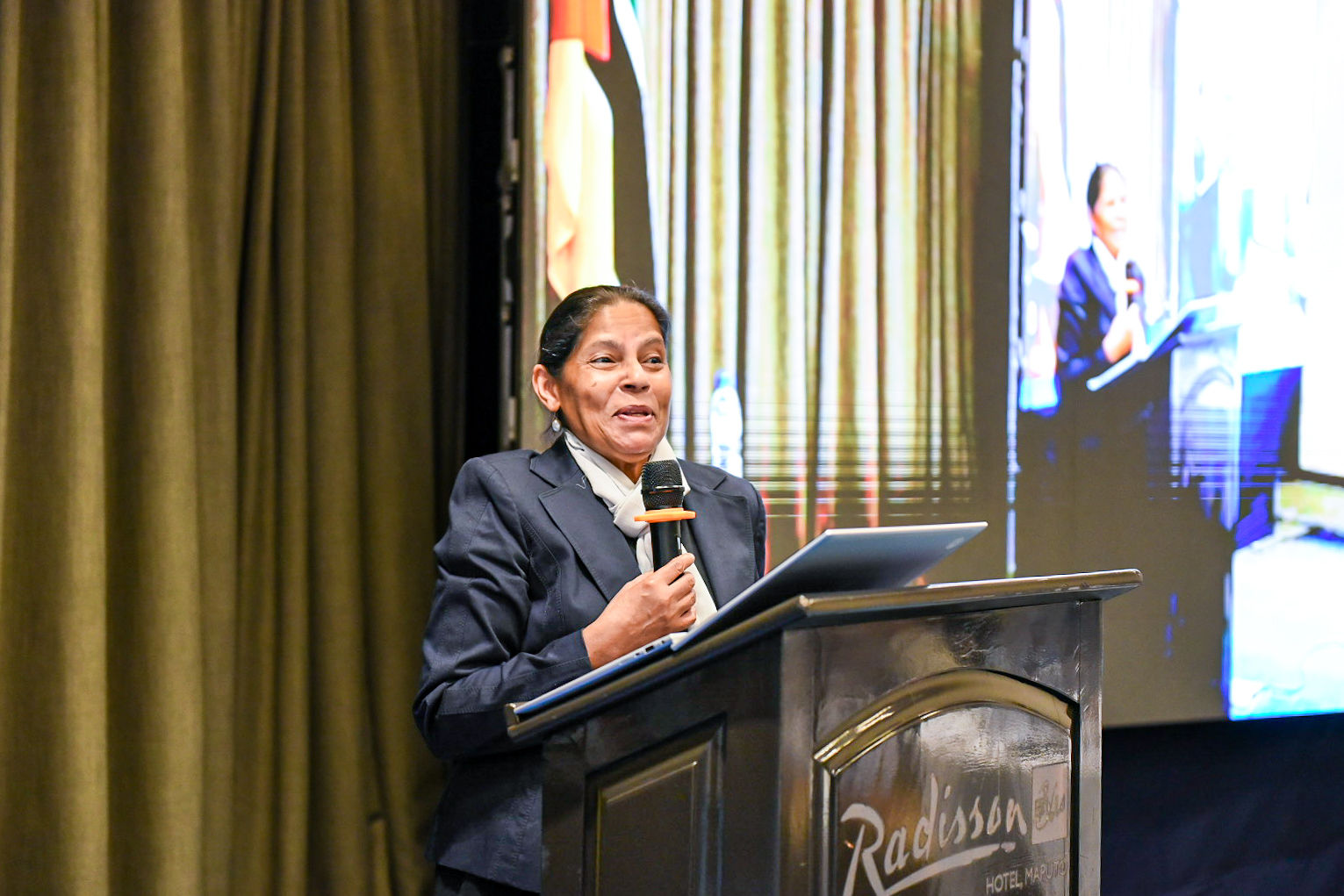
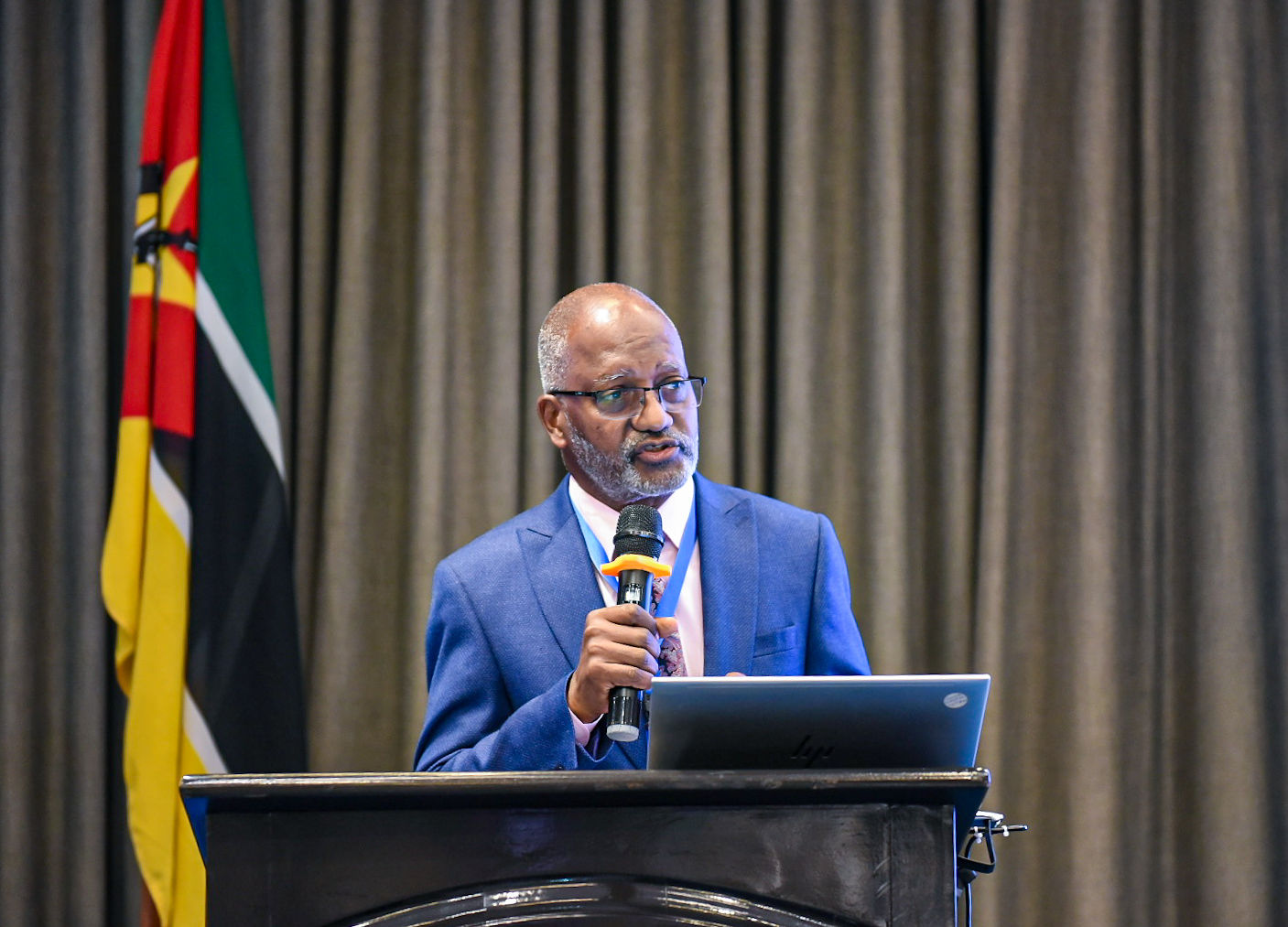
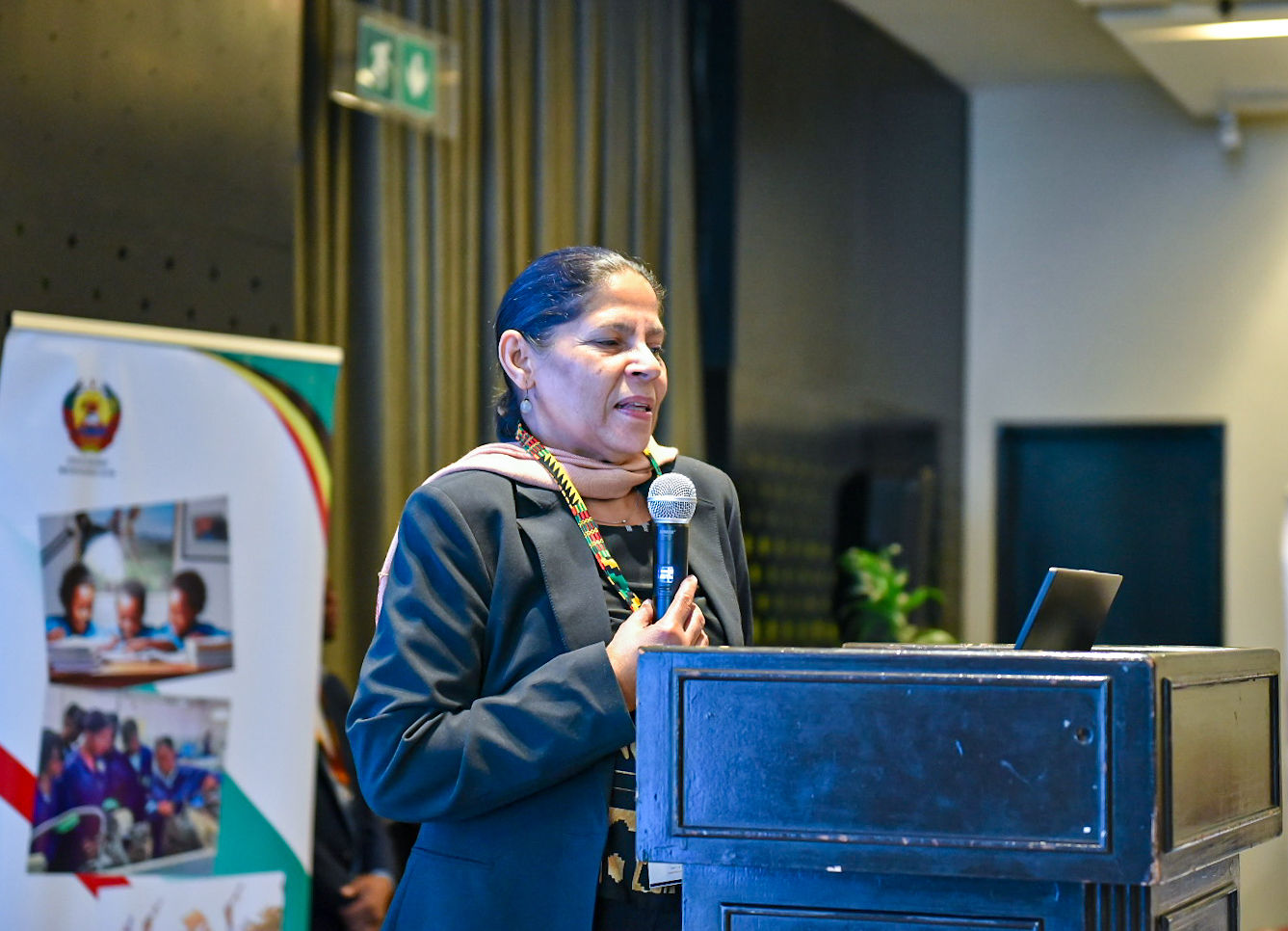
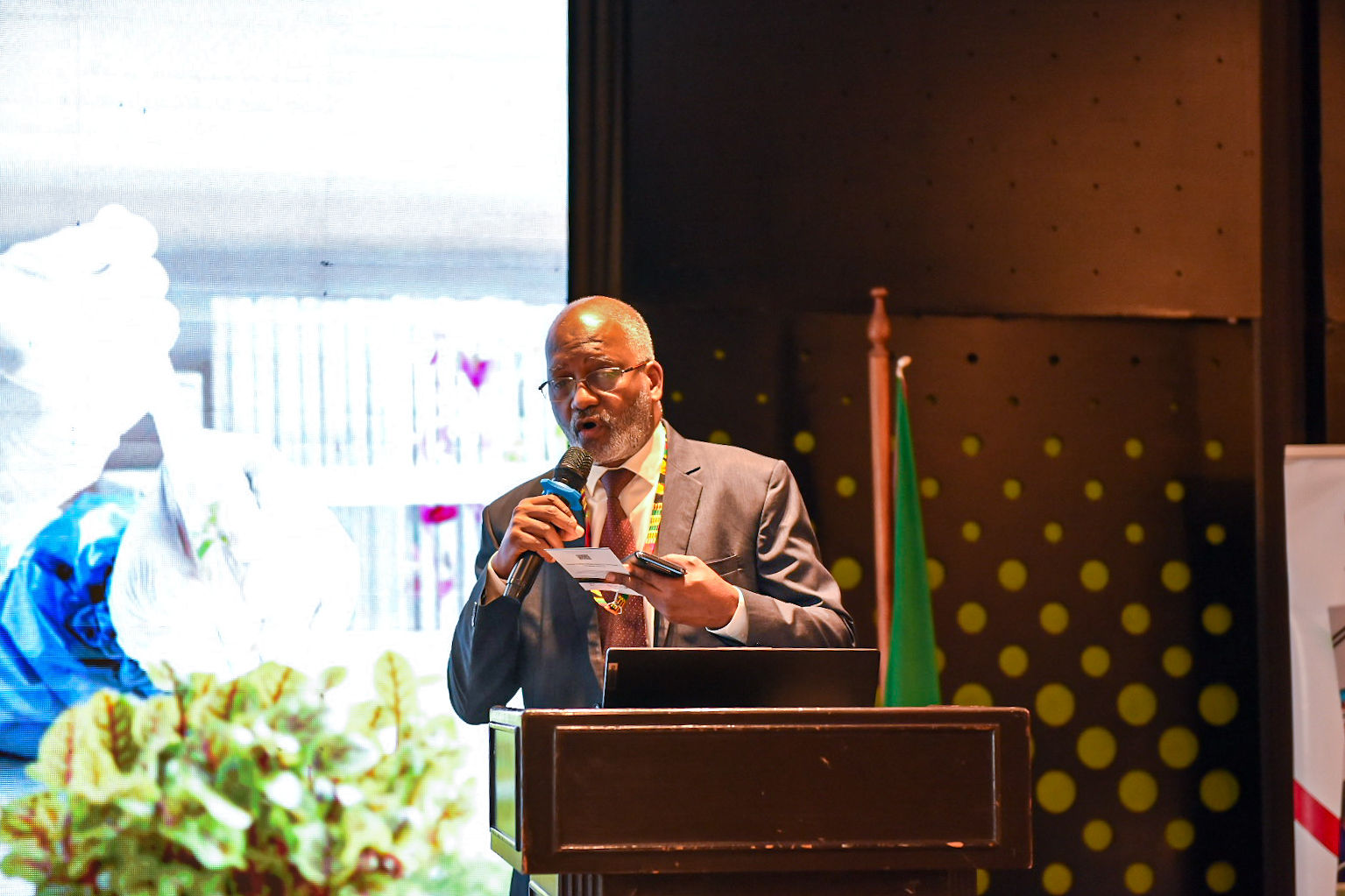
Presenting achievements under the National Council for Quality Assurance in Higher Education (CNAQ), its President, Dr Maria Luisa Lopes Chicote Agibo, said MozSkills had contributed significantly to lecturer training, institutional accreditation and quality assurance reforms. 
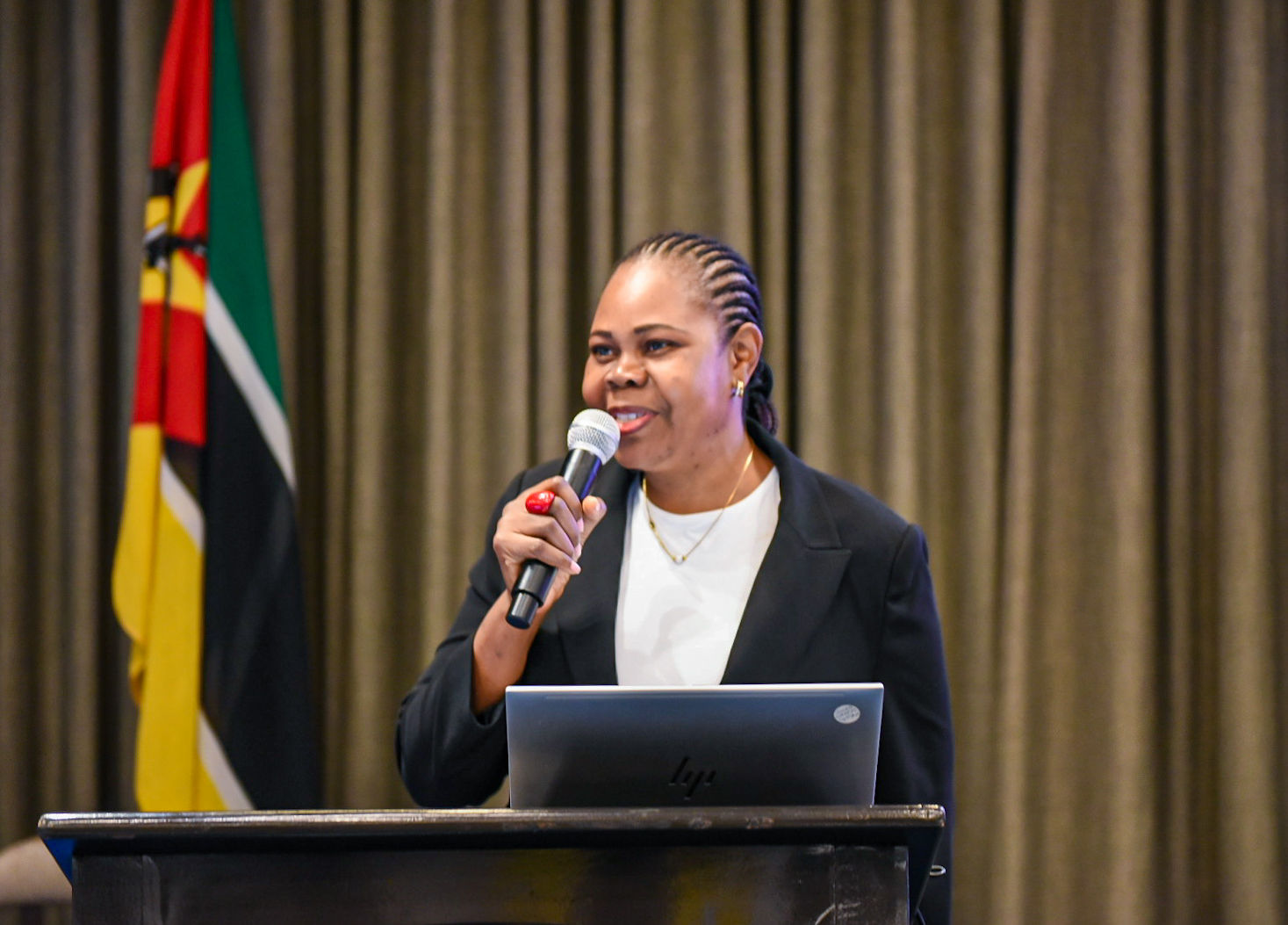
Dr Maria Luisa Lopes Chicote Agibo,
Dr Maria Luisa Lopes Chicote Agibo Photo/Sakina Mapenzi

“Scientific capacity resides in the institutions, while CNAQ provides the system and the framework,” she said. 

Under the project, 538 lecturers were trained in educational innovation and the use of information and communication technologies, indirectly benefiting more than 82,000 students. The number of evaluated courses increased from 125 before the project to 961, with 854 accredited, including 280 STEM programmes. Institutional accreditation expanded to 37 higher education institutions serving more than 128,000 students, while functional internal quality assurance units increased from seven in 2019 to 41. 


Participants noted that these achievements demonstrate the importance of investing not only in infrastructure and equipment but also in the systems that ensure quality and accountability. 

The question of sustainability featured prominently throughout the workshop. 

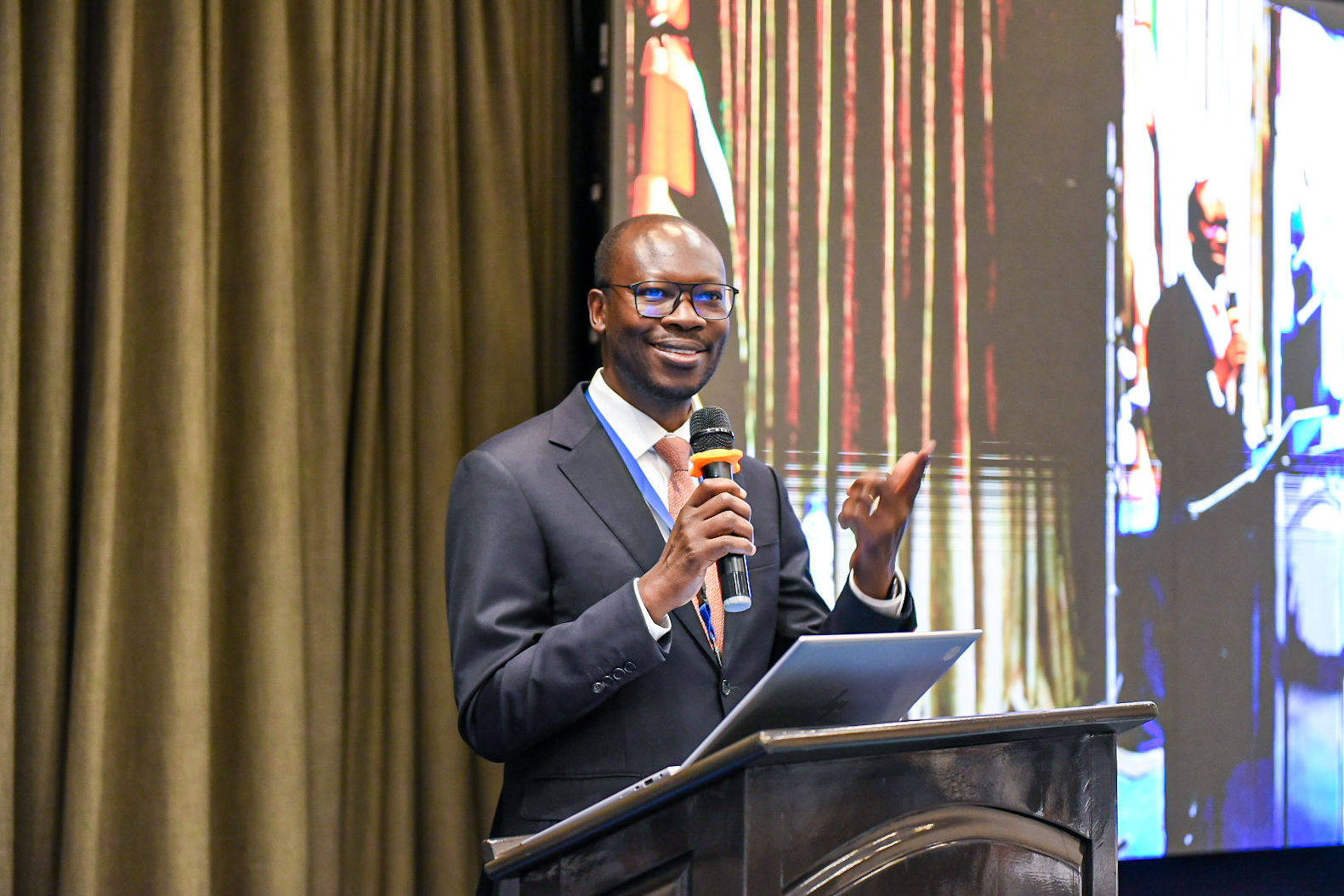
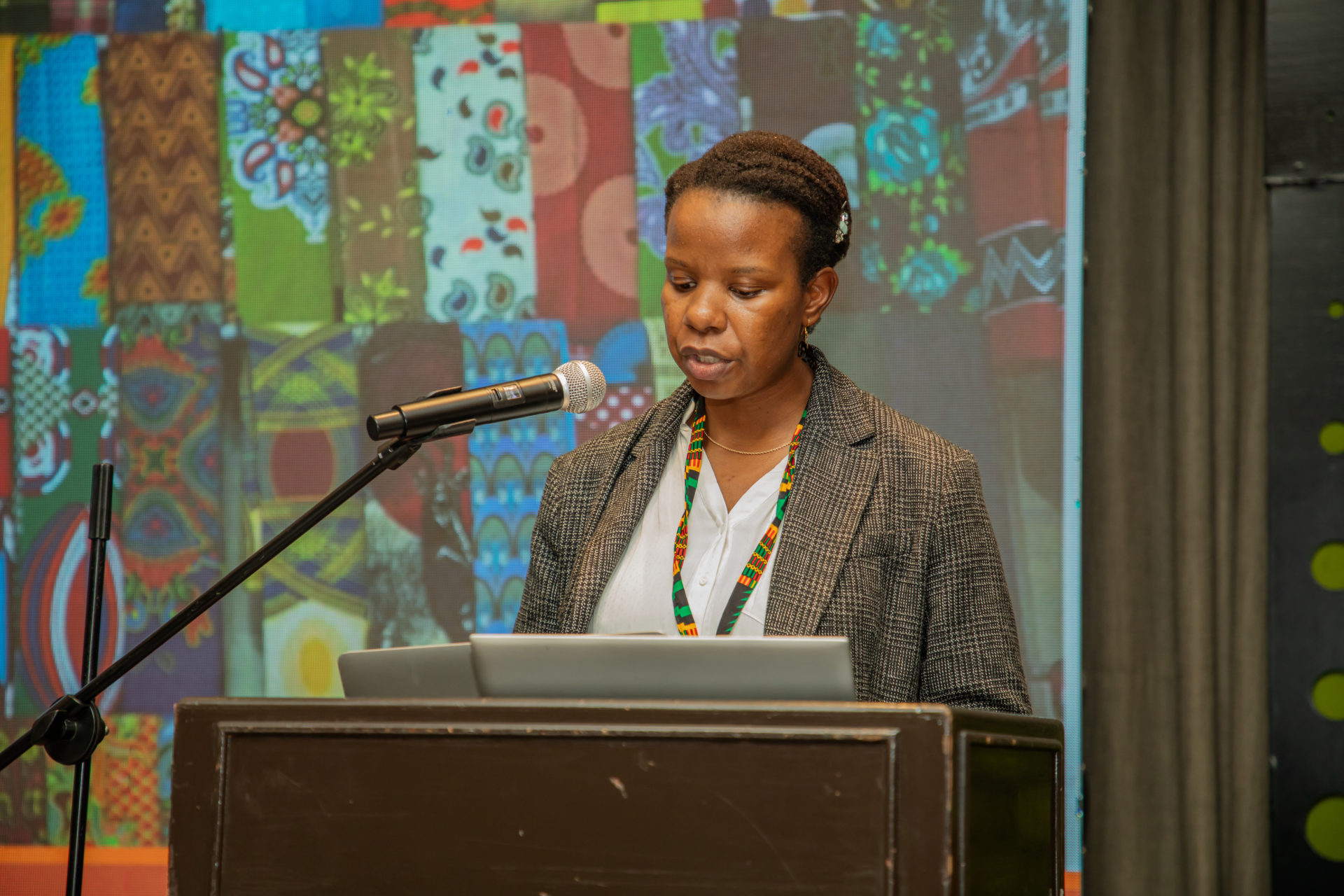
Dr Ana Menezes, Senior Education Specialist at the World Bank, urged institutions to integrate sustainability into future project design and demonstrate how successful initiatives will continue beyond external funding. 

“Institutions seeking future funding should include sustainability in their proposals and clearly demonstrate their capacity to continue successful initiatives,” she said. 

She also emphasised the need for higher education institutions and technical training centres to better communicate their contribution to national development, arguing that stronger visibility of results is essential for attracting future investment.  

Focus on employability, innovation and economic relevance 

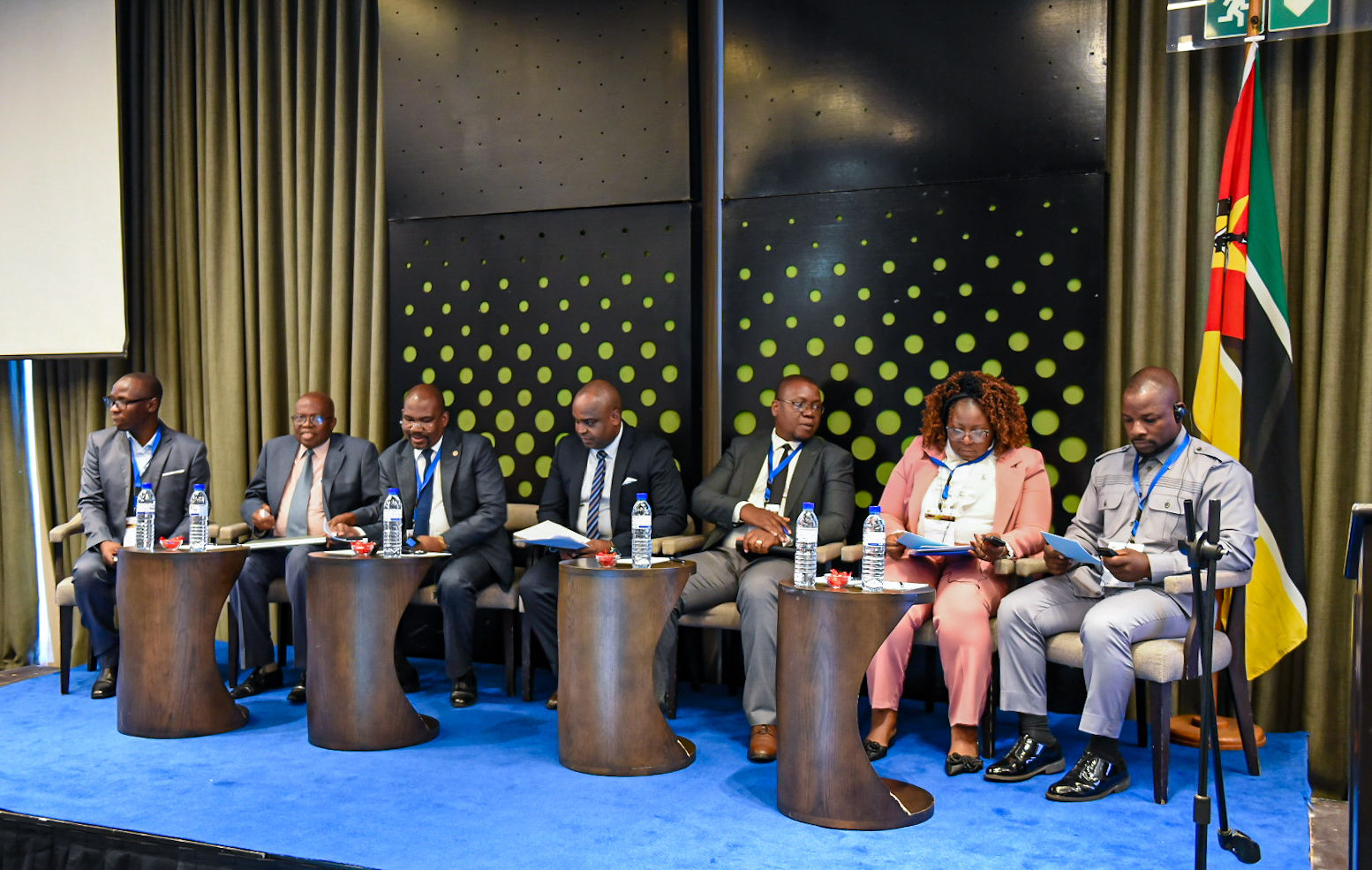
During a high-level panel moderated by Professor Mouzinho Mario from Universidade Eduardo Mondlane (UEM), participants called for a stronger focus on employability, innovation and economic relevance. Representatives from universities, government and industry stressed that future investments should move beyond funding activities and focus on outcomes that transform institutions and contribute to national development. 
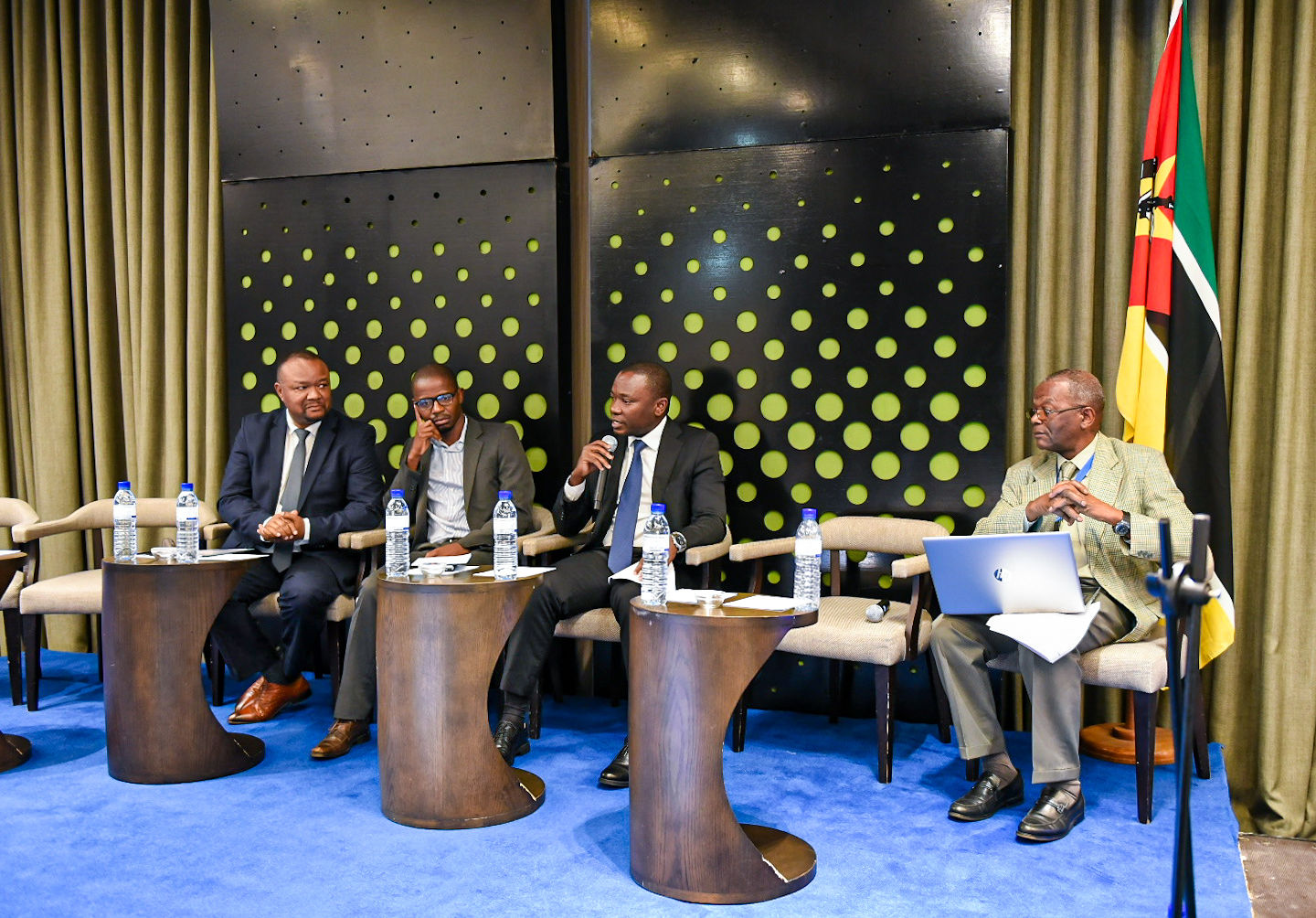
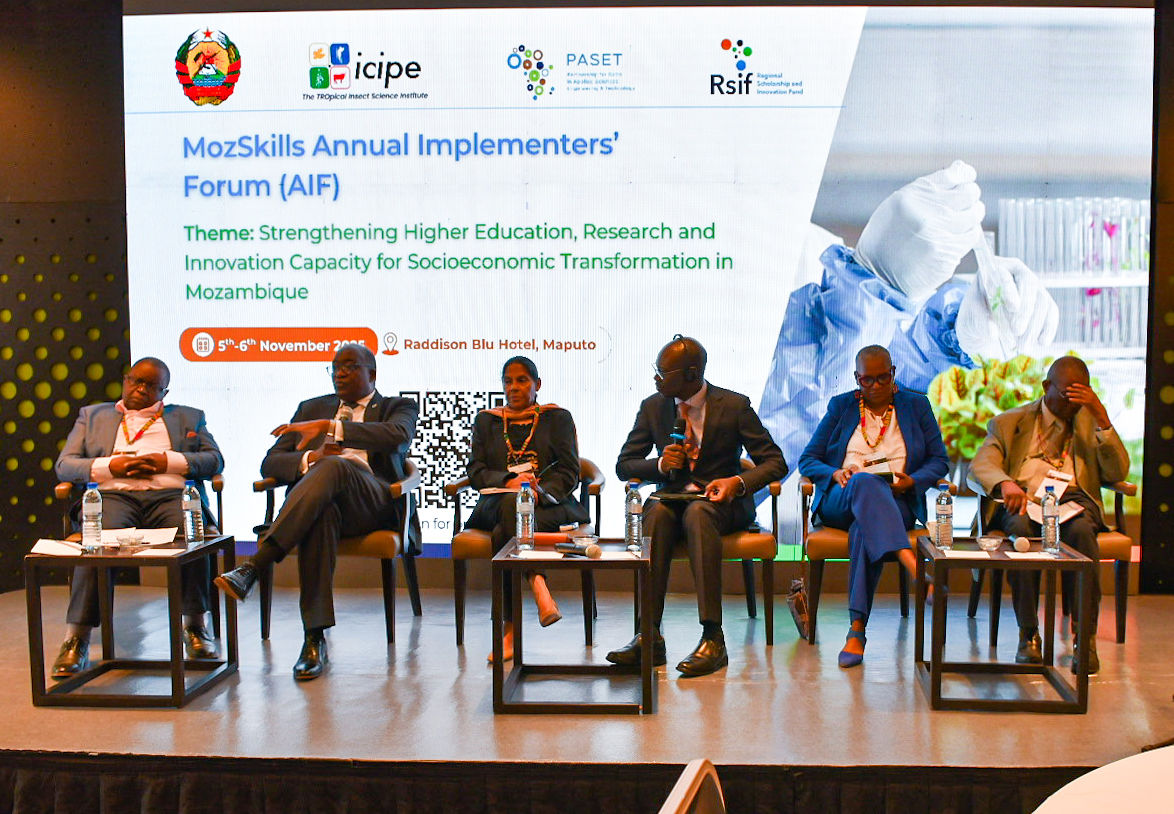
Day 2 panel session. Photo/Sakina Mapenzi

Industry representatives highlighted the need for employers to play a more active role in shaping labour-market skills, supporting research and co-developing solutions with universities. Discussions also emphasised technology transfer, innovation funding, internships, contract research, and stronger commercialisation pathways to ensure that research results translate into products, services, and jobs. 

The conversation reflected a growing recognition that strengthening research capacity alone is not enough. Universities must also become engines of innovation and economic transformation.  

Catalyst for change  

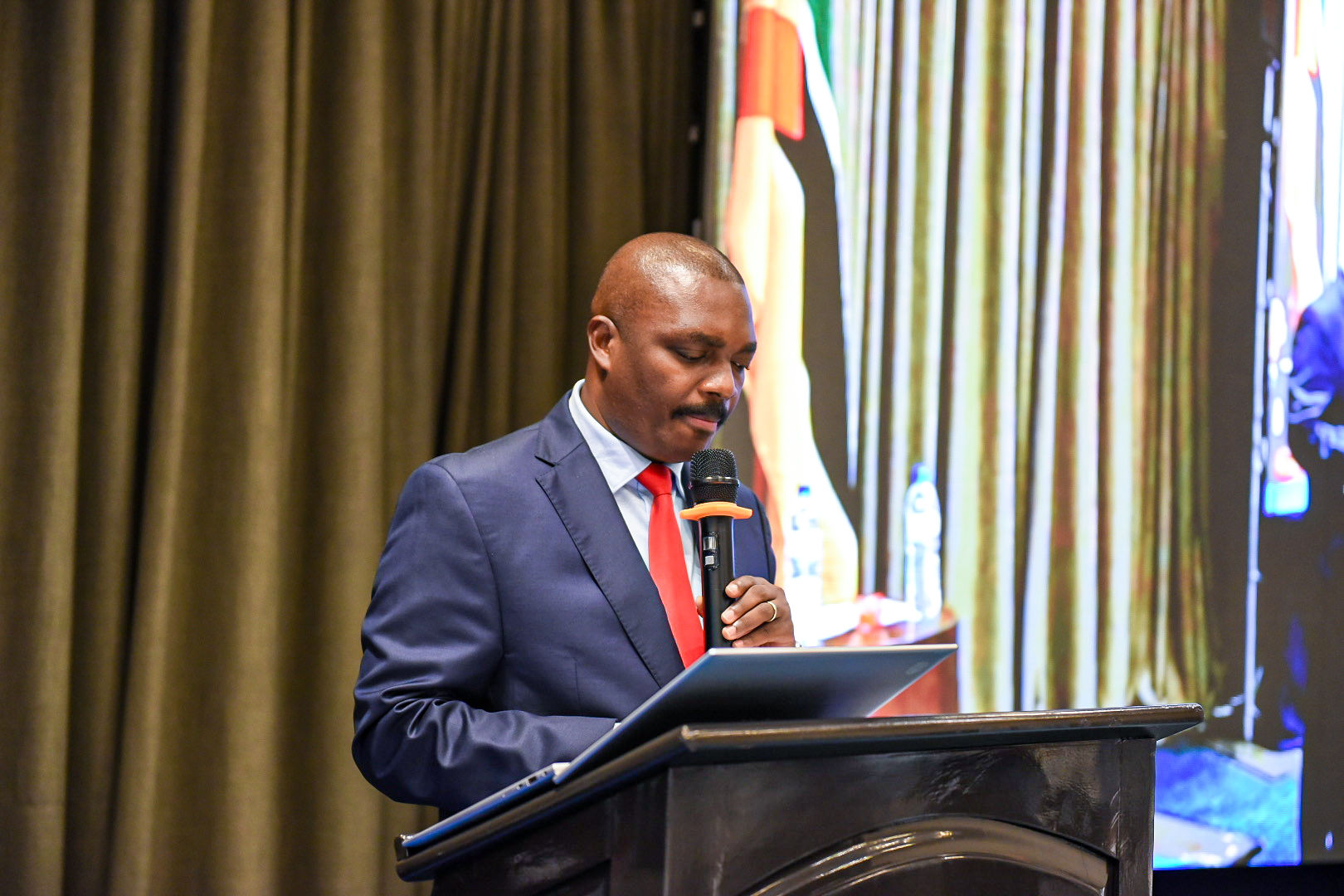
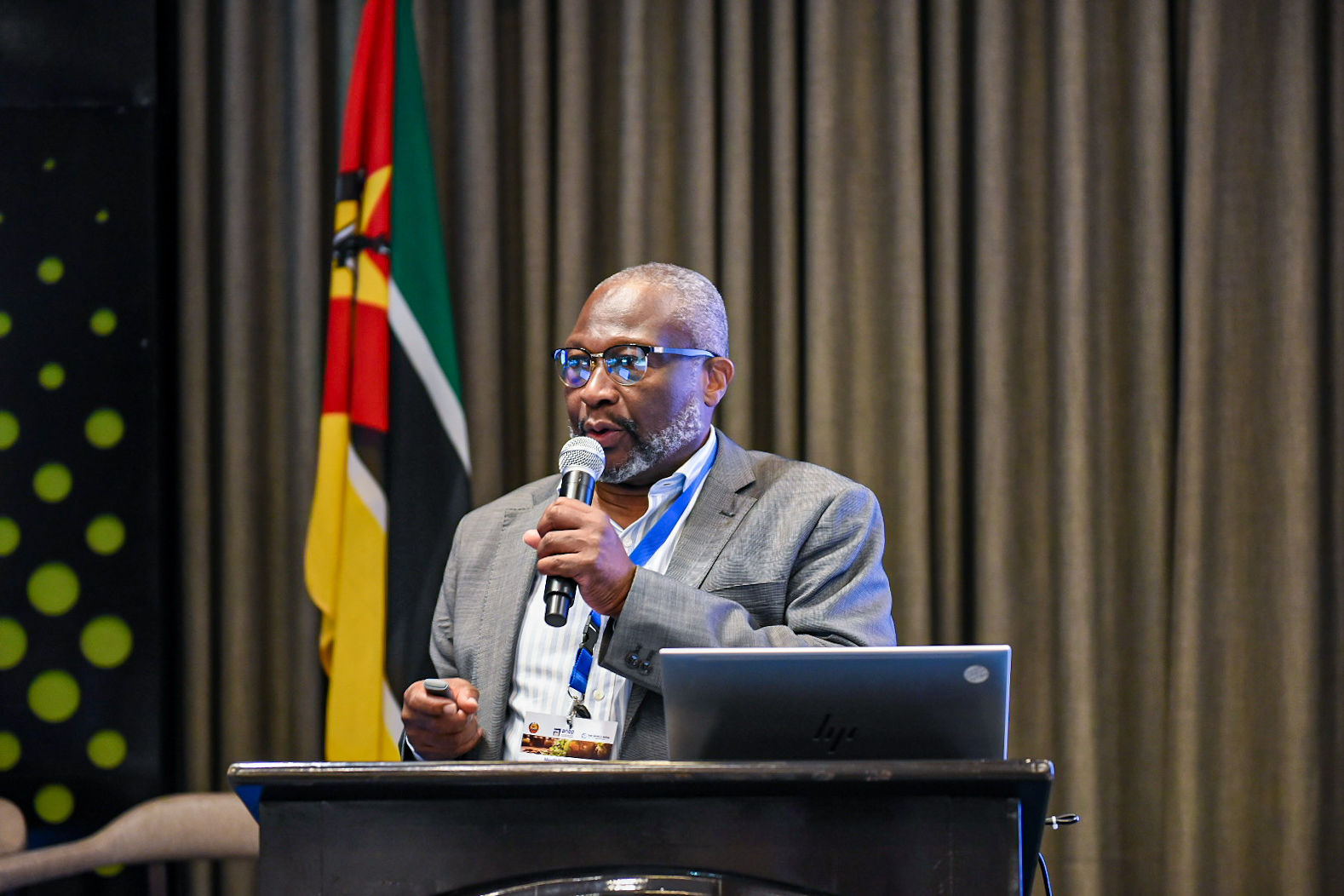
Looking ahead, Dr Uilson Timane, Director of Autoridade Nacional de Ensino Professional (ANEP), presented the newly launched MozJob programme as a key mechanism for carrying forward the skills development agenda.
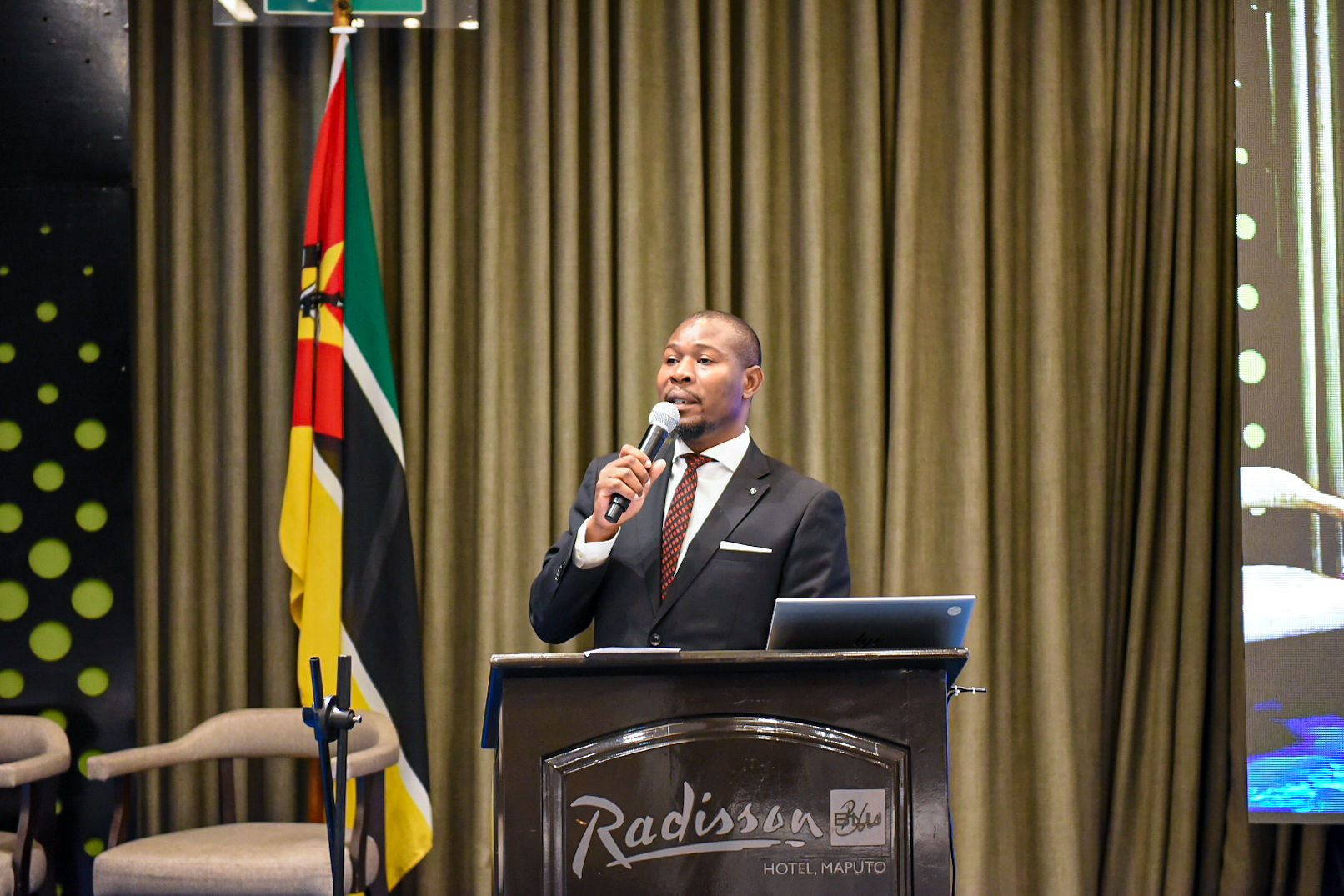
Dr Uilson Timane, Director of AutoridadeNacional de Ensino Professional (ANEP)
Dr Uilson Timane, Director of AutoridadeNacional de Ensino Professional (ANEP). Photo/Sakina Mapenzi

The USD 150 million initiative will focus on youth employability, productive-sector participation and workforce development in sectors including energy, agribusiness, tourism, ICT, transport and construction. 

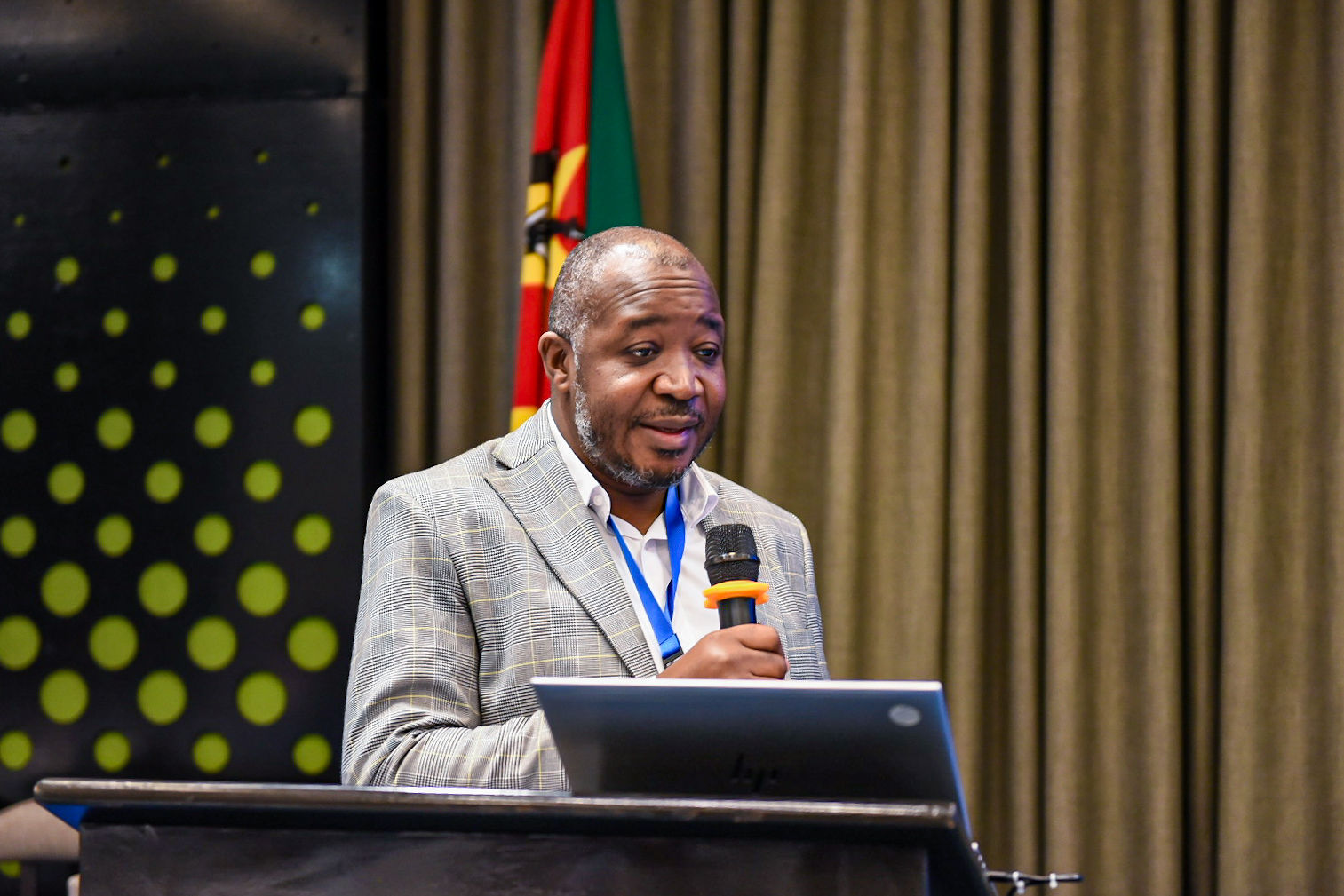
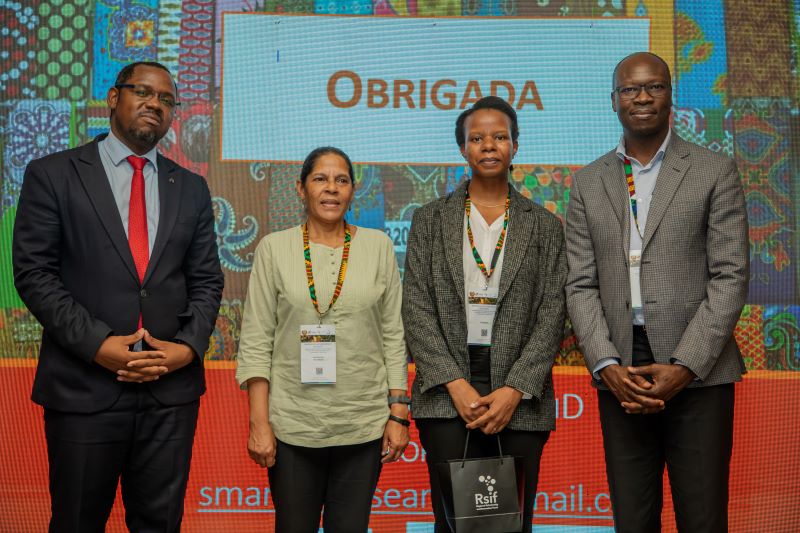
Closing the workshop on behalf of the Ministry of Education and Culture, Secretary of State for Science and Higher Education Dr Edson Macuacua described MozSkills as “more than a project” and “a catalyst for change.” 
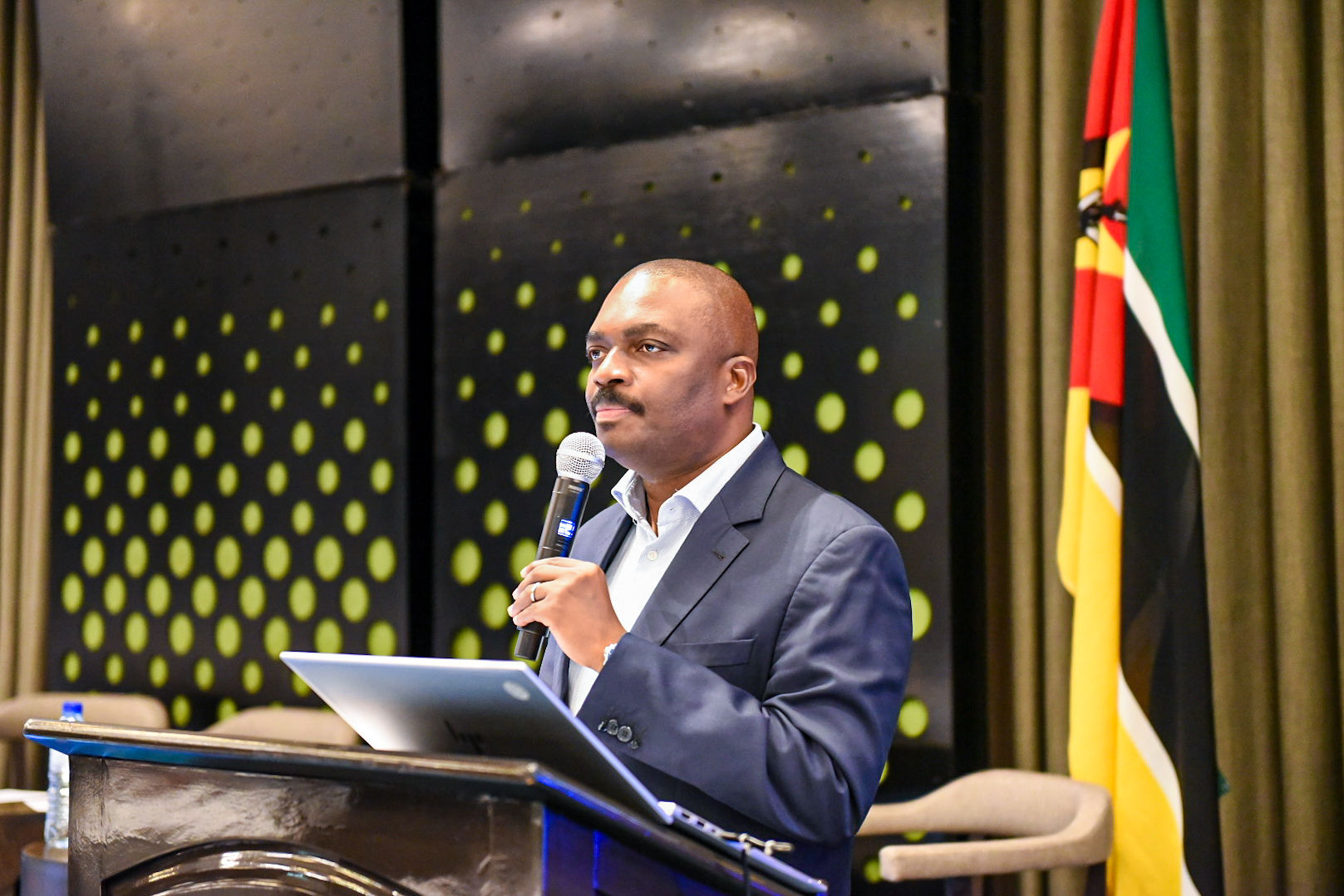
Secretary of State for Science and Higher Education Dr Edson Macuacua
Mozambique Secretary of State for Science and Higher Education Dr Edson Macuacua, giving his closing remarks. Photo/Sakina Mapenzi

Reflecting on the experiences shared by beneficiary institutions, he said the workshop demonstrated how investments in human capital, research and innovation can generate tangible results when accompanied by strong institutional commitment. 

Among the achievements highlighted were 40 PhD scholarships financed through PASET-Rsif, benefiting 32 Mozambicans, 28 peer-reviewed scientific publications and two registered patents. The project also established 124 digital spaces, equipped 23 laboratories and distributed 20,000 digital devices to students while introducing the e-SURA digital management platform in 37 institutions. 

In technical and vocational education and training, MozSkills supported the establishment of six Centres of Reference, expanded the National Catalogue of Professional Qualifications to 206 qualifications and helped ensure that more than half of learners are enrolled in programmes validated by the productive sector. 

Dr Macuacua also highlighted quality assurance achievements, including the evaluation of 961 courses, accreditation of 854 programmes and the establishment of four regional Centres of Reference in Quality and Qualifications. 

Call to action 

However, he cautioned that results alone do not guarantee sustainability. 

“It is not enough to improve physical infrastructure and curricula. We must continue investing in the training of managers and trainers to guarantee the quality of education,” he said. 

He identified institutional ownership, adaptive management and sustained financing as critical lessons from the project, noting that technical achievements can quickly erode if institutions fail to maintain infrastructure, equipment and programmes after donor funding ends. 

“The administrative closure of the project is not the end, but the beginning of a new phase of institutional appropriation,” he said. “We must ensure that every equipped laboratory and every updated curriculum continue to produce knowledge and employability opportunities for our youth.” 

To secure the project’s long-term impact, Dr Macuácua called for stronger national financing mechanisms for research and postgraduate education, simplified grant management systems, deeper industry-academia partnerships, enhanced technology transfer structures and more ambitious gender inclusion targets in STEM fields. 

As the workshop concluded, participants shared a common message: Mozambique has laid important foundations for strengthening skills development, research and innovation. The challenge now is to transform those investments into sustainable institutions, competitive industries and meaningful opportunities for the next generation. 

The success of MozSkills, they agreed, will not be measured only by the projects funded, but by the lasting impact those investments continue to generate. 

To read part 1 of the story, click here
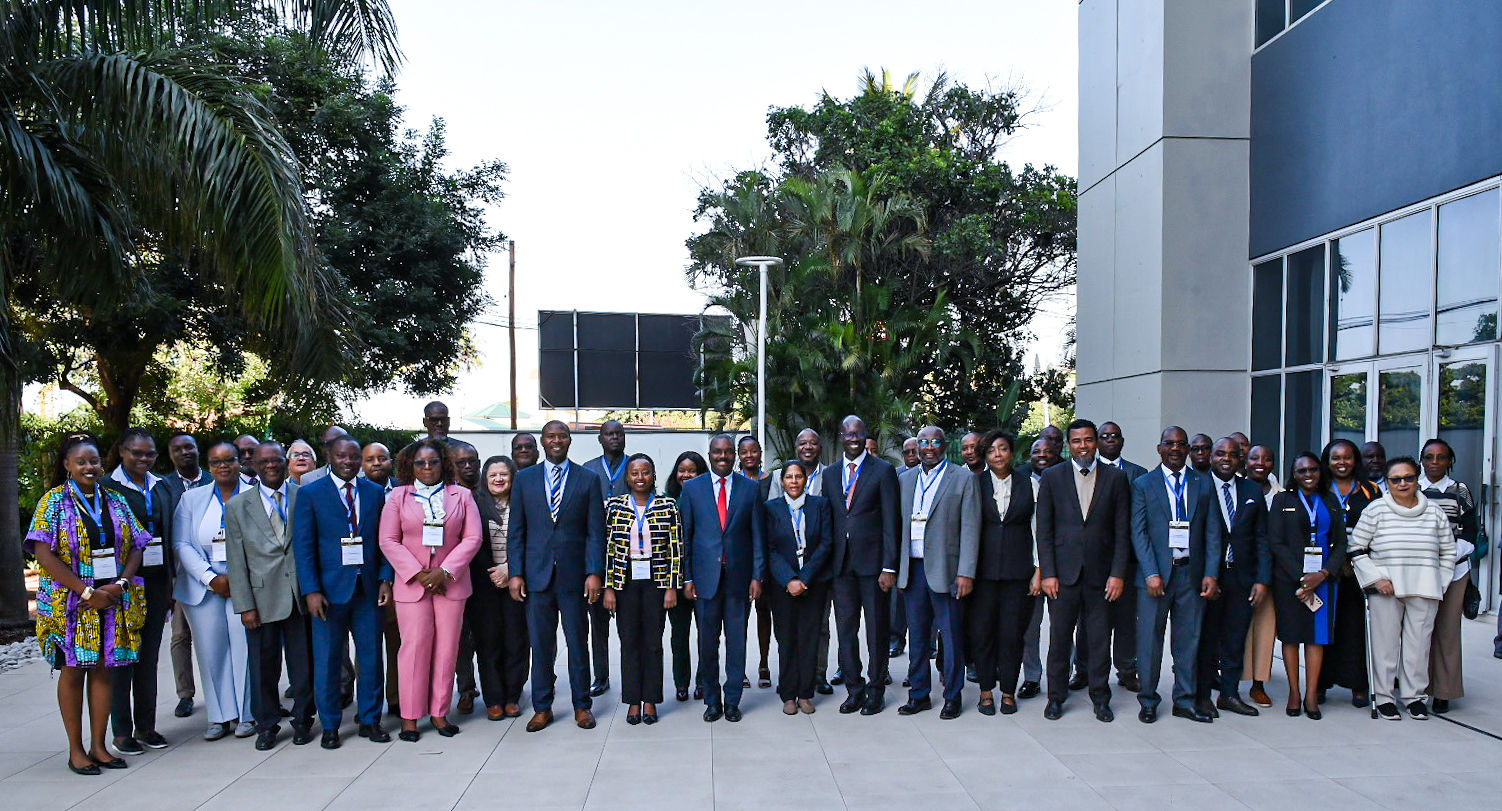
 

Part 1. From results to sustainable impact: MozSkills legacy for Mozambique innovative future  

Maputo –  Mozambique is betting on a simple but powerful idea — that its future relies on young people equipped not just with knowledge, but with skills that can transform economies. 

That message came into sharp focus in Maputo during the MozSkills Closeout Workshop organised by the Mozambique Ministry of Education and Culture, AutoridadeNacional de Ensino Professional (ANEP) in collaboration with the International Centre of Insect Physiology and Ecology (icipe) where government leaders, universities, researchers and development partners gathered to take stock of what has been achieved — and what must come next to sustain momentum in skills development, higher education and innovation. 

The  MozambiqueThe Mozambique Skills Development Enhancement Project (MozSkills)  Project was launched in 2021 through a partnership between the Government of Mozambique and the World Bank. It seeks to strengthen skills development by investing about USD 6 million into the Partnership for Skills in Applied Sciences, Engineering and Technology (PASET)- Regional Scholarship and Innovation Fund (Rsif). Of that amount, USD 4 million supports 40 PhD scholarships, while USD 2 million funds 14 research and innovation projects led by Mozambican higher-education institutions.   

The workshop held under the theme “From results to sustainable impact” showcased how investments through the MozSkills project and the Regional Scholarship and Innovation Fund (Rsif) are strengthening STEM education, technical training systems, research capacity and institutional performance across the country.  

A national commitment to skills-driven transformation 

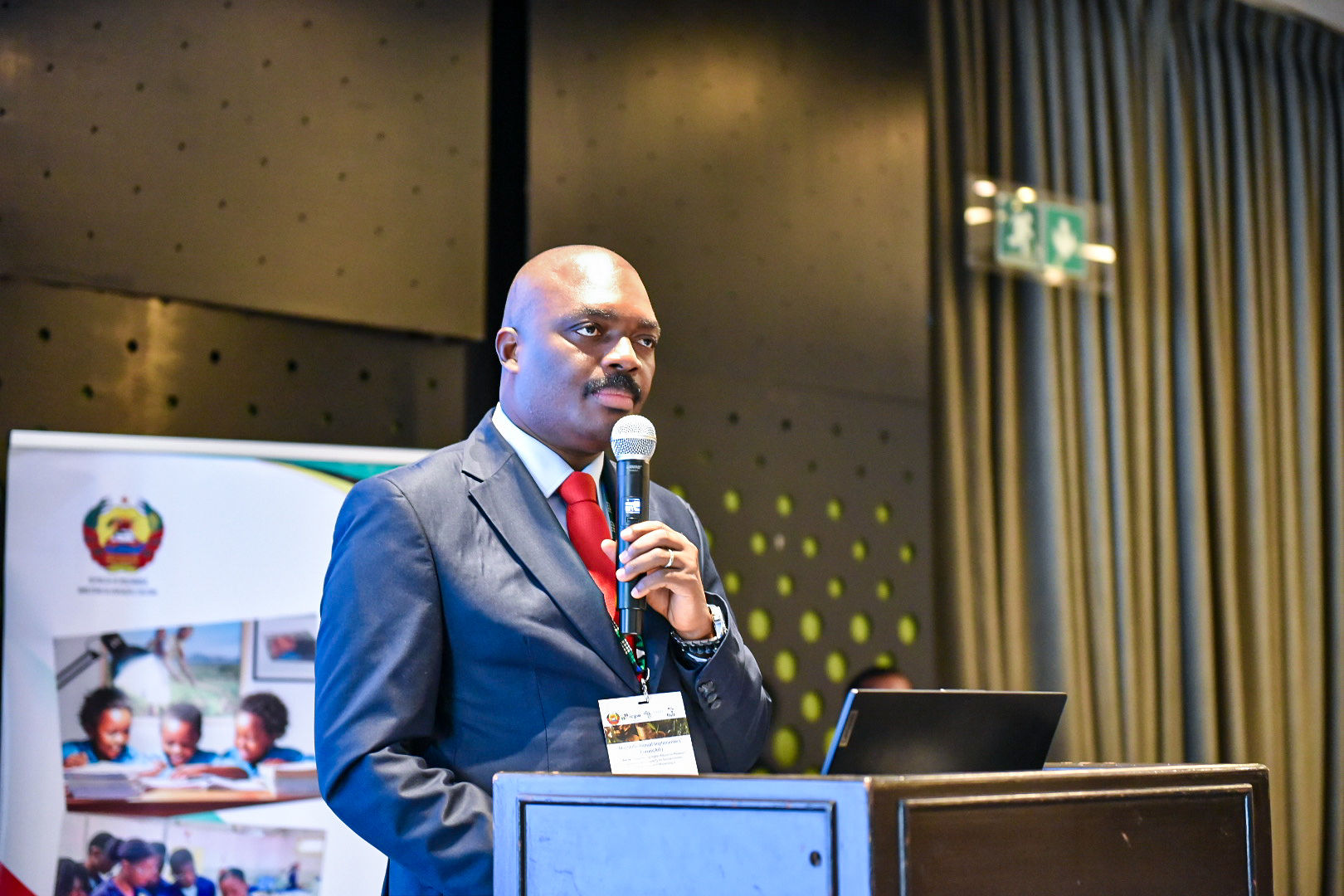
Opening the discussions, Dr Edson Macuacua, Secretary of State for Science, Technology and Higher Education, set a firm tone: Mozambique’s development agenda, he stressed, depends on the ability of its education and training systems to produce graduates who are not only qualified, but relevant to the country’s evolving labour market and innovation needs. 

Dr Edson Macuacua, Secretary of State for Science, Technology and Higher Education
Dr Edson Macuacua, Secretary of State for Science, Technology and Higher Education Mozambique. Photo/Sakina Mapenzi

“MozSkills has proven that when political will is aligned with technical competence and international support, impact is real. Today’s theme, ‘From Results to Sustainable Impact,’ signals that we have moved beyond implementation and entered a phase of consolidating a legacy,” he stated. 

His remarks framed skills development as a national priority anchored in transformation rather than routine reform.  

“MozSkills is not just a financing line, but a catalyst for our national development strategy and a driver of innovation, skills development and institutional transformation.” 

Dr Ana Menezes, Senior Education Specialist at the World Bank in Mozambique
Dr Ana Menezes, Senior Education Specialist at the World Bank in Mozambique. Photo/Sakina Mapenzi

Building on that, Dr Ana Menezes, Senior Education Specialist at the World Bank in Mozambique, highlighted the importance of sustained investment in STEM capacity. “Strengthening human capital remains central to improving productivity, innovation and long-term economic resilience.” 

As global evidence shows, developed economies have consistently relied on science, technology, engineering, and mathematics (STEM) education as a foundation for sustained economic growth (Bacovic, Andrijasevic & Pejovic, 2022), a reality that underscores Mozambique’s push to invest in skills development for its own growth trajectory. 

A 2023 UNU-WIDER analysis shows that although Mozambique’s education system is already producing a pipeline of STEM students, the proportions remainvery small, underscoring the challenge of scaling STEM capacity. The good news is that part of this gap is being addressed through initiatives such as the PASET-Rsif programme, which is helping to strengthen STEM training and build a stronger pipeline of skilled researchers. 

“First, MozSkills aimed to deliver important system-level foundations. The project has supported reforms and investments across TVET and higher education, from strengthening training institutions and developing industry-relevant qualifications, to improving quality assurance, expanding STEM capacity, and investing in research, innovation, and governance,” Dr Menezes stated.

She added that, “second, key results were achieved across main pillars.  These results were made possible by strong government leadership and collaboration and strong commitment reflected through the steady delivery by beneficiary institutions. We sincerely thank the Government of Mozambique here represented by the State Secretary for Science and Higher Education, for her vision and commitment and in particular the implementing agencies—MEC, ANEP, MCTD, and icipe—for their commitment, and excellent coordination. This Implementers’ Forum is itself a testament to the strength of that collaboration and to the shared commitment to results.”
Dr Menezes also pointed out that the closing of the project is not the end, but rather the transition to the next phase. “MozSkills should be seen not as a standalone project, but as part of a broader, longer-term program of reform. Its sustainability depends on continued ownership, continued implementation, and continued partnership. The lessons learned and systems strengthened through MozSkills now provide the foundation for the newly approved Program on Skills for Employment and Economic Transformation in Mozambique Program under the Multi-Phase Programmatic Approach Program on Skills for Economic Transformation and Jobs in Eastern and Southern Africa.”

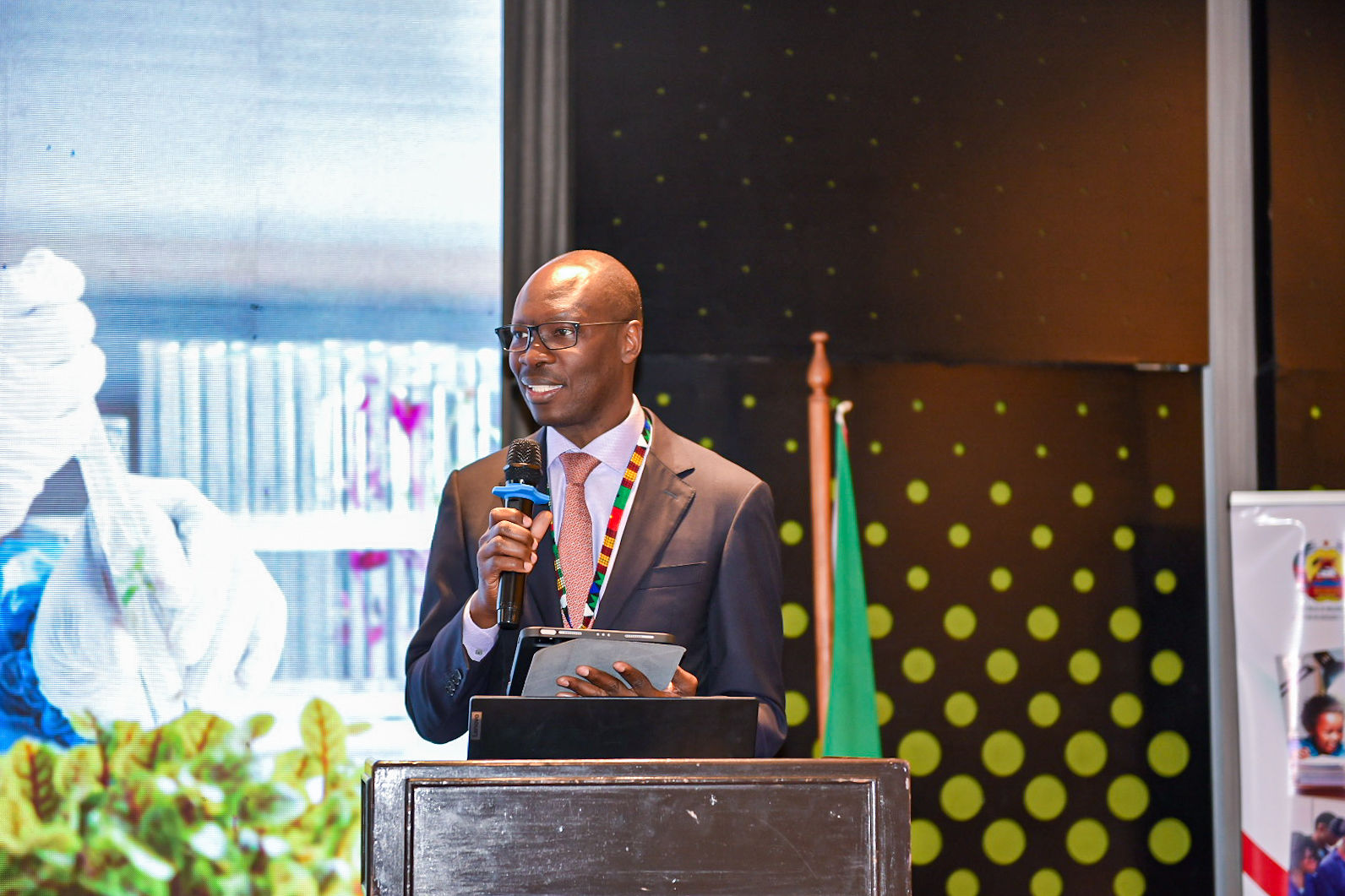
From a continental perspective, Dr Julius Ecuru RCU manager reinforced the message that Africa’s transformation depends on investing in researchers and institutions capable of generating solutions from within.  “Through the partnership between the MozSkills and the PASET-Rsif, we are delivering to Mozambique a generation of highly qualified PhD graduates in important fields of applied sciences, engineering and technology. A few of them are here with us today. These are not graduates trained for the sake of a PhD degree certificate. They are scientists and engineers equipped to work on the challenges Mozambique faces, in agriculture, energy, water, digital infrastructure, mining and materials sciences.” 
Dr Julius Ecuru RCU manager
Dr Julius Ecuru RCU manager icipe.
Photo/Sakina Mapenzi

He stated that Rsif is helping to build a pipeline of scientists and innovators whose work is increasingly shaping development priorities across the region. 

“The second result is institutional. A brilliant graduate working inside a university that cannot support research, recognise innovation, or connect to industry will struggle to make an impact alone, however well trained he or she may be. That is why, alongside the scholarships, we have worked deliberately to help Mozambican universities build the enabling institutional environments that innovation needs: stronger research management, grant administration, quality assurance, and closer links to government and to industry.’’ 

He also emphasized that the MozSkills results were never meant to end with the closing of the project but are meant to be the beginning of something Mozambique can sustain and grow, and called on the Government of Mozambique to continue to work together through PASET-Rsif through icipe, and through the networks of universities, researchers and industry partners that MozSkills has helped to build and connect across the country and the region.  

“The need for highly qualified scientists and engineers, for innovative universities, and for a robust national innovation system does not disappear when a project closes its books. If anything, it grows more urgent. “ 

Turning investment into evidence of impact 

Beyond speeches, the workshop shifted quickly into evidence — what exactly has changed on the ground. 

Dr Michael Kidoido, Monitoring and Evaluation specialist at icipe
Dr Michael Kidoido, Monitoring Evaluation and Learning specialist at icipe. Photo/Sakina Mapenzi

Dr Michael Kidoido, Monitoring Evaluation and Learning specialist at icipe presented findings from an independent evaluation of Rsif/MozSkills scholarships, confirming strengthened research capacity, improved institutional linkages, and positive progression among beneficiaries. 

Dr Danilo Parbato
Dr Danilo Parbato

Dr Danilo Parbato and Dr Amandia Jotamo followed with results from MozSkills investments through the Institutional Development Fund (FDI) and the Capacity Building Programme for STEM Teacher Trainers (PCFP), showing measurable improvements in teaching quality, institutional systems and STEM training delivery across higher education institutions. 

The message emerging was consistent: investment is no longer abstract — it is visible in stronger institutions and better-prepared educators and researchers. 

Universities tell the story of change 

If the morning session was about policy and evidence, the afternoon brought lived experience. 

Dr Everlyn Nguku, The Head of Integrated Capacity Building Platform at icipe

The first panel, moderated by Dr Everlyn Nguku, The Head of Integrated Capacity Building Platform at icipe, explored how Rsif and MozSkills are reshaping research and innovation ecosystems within universities. 

On the panel were senior leaders from Mozambique’s higher education sector, including Prof Edson Raso (UniPungue), Prof Catarina Tivane (UniSave), ProfMario Tauzene (ISPG), Prof David Selemane (ISPT), Prof Noe Hofiço (UniZambeze), Prof Marcelino Lipola (UniLúrio), alongside Rsif scholar Egas Armando. 

The panel session.
The panel session. Photo/Sakina Mapenzi

Prof Raso noted that “the combined support from Rsif and MozSkills is beginning to strengthen institutional research systems and expand opportunities for academic collaboration.” 

Prof Tivane reflected that “investment in staff development and training is translating into more structured and responsive teaching and learning environments.” 

Prof Tauzene observed that “capacity-building interventions are gradually improving the quality and consistency of research and postgraduate supervision.” 

Prof Selemane emphasized that “technical institutions are increasingly better equipped to integrate innovation and applied research into training programmes.” 

Prof Hofiço said “the strengthening of STEM-focused programmes is helping universities respond more effectively to national development needs.” 

Prof Lipola highlighted that “partnerships under MozSkills are enhancing academic mobility, collaboration and institutional learning.” 

Egas Armando shared that “the programme has opened pathways that allow young researchers to contribute meaningfully to scientific knowledge and national development priorities.” Adding that it opened for him research opportunities in Rwanda, Kenya and Korea. 

Their reflections pointed to a gradual but visible shift: stronger research environments, improved supervision systems, expanding academic collaboration, and growing confidence among emerging researchers who previously had limited access to advanced training opportunities. 

Mr Armando’s experience, in particular, illustrated how targeted support is translating into real research pathways for young scientists. 

Bridging skills and the labour market 

Dr Anisio Matangala, MozSkills coordinator- TVET at ANEP, reinforced a critical message: strengthening institutions alone is not enough unless training is closely aligned with labour market realities. 

Dr Uilson Timane, Director-General of ANEP
Dr Anisio Matangala of ANEP

He emphasized the need for deeper partnerships between training institutions and industry to ensure graduates leave not just with certificates, but with competencies that respond directly to national development needs. 

TVET institutions at the centre of transformation 

The second panel, moderated by Dr Ida Alvarinho, brought together technical and vocational education practitioners from across the country, including representatives from IIC Nampula, IPM Nacuxa, IMGM Moatize, IAC Chimoio, IAB Boane and IICAEG Beluluane. 

Their experiences pointed to a sector in transition — where competency-based training, improved institutional capacity and closer engagement with communities and employers are beginning to redefine technical education. 

A shared conclusion: sustain what is working 

As the day closed, one message cut across all discussions: Mozambique is beginning to see the returns on long-term investment in skills, research and innovation — but sustaining those gains will require continued collaboration between government, development partners, universities and industry. 

Day one ended not with closure, but with a shared recognition that the real measure of success will be whether today’s investments continue to produce tomorrow’s innovators, educators and problem-solvers. 

To read Part 2 of the story, kindly click here.

Mozambique charts path to strengthen its scientific research and innovation capacity 

MAPUTO— Stakeholders in higher education, research, and innovation gathered in Mozambique capital Maputo for the 2nd Annual Implementers Forum of the MozSkills Project, and under the auspices of the Partnership for Skills in Applied Sciences, Engineering and Technology (PASET)- Regional Scholarship and Innovation Fund (Rsif).  

The MozSkills Project was launched in 2021 through a partnership between the Government of Mozambique and the World Bank. It seeks to strengthen skills development by investing about USD 6 million into Rsif. Of that amount, USD 4 million supports 40 PhD scholarships, while USD 2 million funds 14 research and innovation projects led by Mozambican higher-education institutions.  

More than 100 participants comprising 63 men and 43 women attended from universities, research institutes, industry, development partners, and regional bodies. They gathered under the theme “Strengthening Higher Education, Research and Innovation Capacity for Socio-economic Transformation in Mozambique.” 

The Forum reviewed achievements of the MozSkills over the last five years, and how these contribute to Mozambique’s socioeconomic transformation agenda.  

According to the World Bank statistics, Mozambique, home to 34.6 million people, is one of the fastest-growing economies in sub-Saharan Africa, yet it faces a low base of scientific and technological capacity: only about 0.3 per cent of GDP is spent on research and development significantly below the 1 % benchmark recommended by the African Union. For Mozambique to transform its abundant natural resources and youthful population into a diversified economy, the country must scale up human capital, research excellence, and innovation. 

Mozambique's Secretary of State for Higher Education, Science and Technology, Dr Edson Macuacua speaking at the 2nd Annual Implementors Forum
Mozambique’s Secretary of State for Higher Education, Science and Technology, Dr Edson Macuacua officially opening the 2nd Annual Implementors Forum. Photo/Sakina Mapenzi

Speaking at the opening of the forum, Secretary of State for Higher Education, Science and Technology, Dr Edson Macuacua, emphasized that building a strong innovation system was key to ensuring a productive economy. 

“Knowledge alone without entrepreneurial skills to put the knowledge to productive use in the economy is not sufficient. Mozambique must build a strong innovation system so that it can create wealth exploration and sustainable use of it natural resources,” he said. He noted that in the new science strategy, Mozambique plans to spend at least 1.5% of its GDP on R&D. He  noted further that each province now hosts a higher education institution designed around local thematic framework to create hubs of excellence and local innovation systems. 

Dr Julius Ecuru, RCU manager icipe speaking at the forum.
Dr Julius Ecuru, RCU manager icipe speaking at the forum.Photo/Sakina Mapenzi

Dr Julius Ecuru, Manager of the Rsif Regional Coordination Unit at the International Centre of Insect Physiology and Ecology (icipe), stated that, “A good innovation system has three main functions: skilled, creative, and productive people; policies that promote innovation; and financing for creative ideas, research, and development. If these functions interact well, we can have an effective innovation system that produces new goods and services that meet our daily needs and solve societal challenges. 

Dr Ana Menezes, senior education specialist at the World Bank Mozambique
Dr Ana Menezes, senior education specialist at the World Bank Mozambique addressing the forum.Photo/Sakina Mapenzi

Dr Ana Menezes, senior education specialist at the World Bank Mozambique, echoed the need for high quality and skilled human capital in the economy.  

She added that, “Research and innovation is key to achieving national development priorities including technical skills transfer, evidence-based knowledge sharing.” 

“The World bank is keen to continue facilitating the innovation agenda outlined in the Government priorities for implementing public institutions of higher learning,” she said.  

Dr Calado Muinga from the Ministry of Higher Education, Science and Technology, who also serves as the Mozambique representative on PASET Executive Board
Dr Calado Muinga from the Ministry of Higher Education, Science and Technology, who also serves as the Mozambique representative on PASET Executive Board addressing the forum.Photo/Sakina Mapenzi

Dr Calado Muinga from the Ministry of Higher Education, Science and Technology, who also serves as the Mozambique representative on PASET Executive Board, reiterated the government’s commitment to investing in people: 

“Twenty-seven per cent of students in higher education are pursuing STEM courses. Investing in education for socio economic impact is a key pillar of our national development priorities.” 

National research policy and stronger innovation 

The discussion progressed into a panel session chaired by Dr Ecuru,  featuring Prof Jorge Ferrão, Rector of the Pedagogical University; Prof Mouzinho Mario, Project Coordinator Higher Education Science and Technology – Ministry of Education and Culture Dr Menezes; Prof Zélia Menete, Director of Instituto de Investigação Agrária de Moçambique (IIAM); and Mr Pedro Tomo, researcher, innovator, and founder of Gutsamba. The panelists underscored the vital role higher education institutions, Prof Ferrão underlined the importance of aligning academic programmes with the country’s development needs and emphasized the need to expand technical and vocational education alongside university training. Dr Menezes indicated that building a skilled workforce, including more women and youth innovators, is a critical foundation for a thriving knowledge economy. 

A panel session during the forum.
A panel session during the forum. Photo/Sakina Mapenzi

Strong collaboration among stakeholders emerged as a central theme, with Prof Menete, calling for enhancement of partnerships between universities, research institutions, industry, and government.  

Prof Mouzinho noted that the existing university funding structures are barriers to cooperation, suggesting a need for reforms that incentivize joint efforts. According to Mr Tomo, creating an enabling environment—especially through increased investment and private sector engagement—was key to creating a dynamic innovation ecosystem capable of producing market-ready solutions. 

The conversation also stressed the necessity of supporting scientists beyond research by helping them translate ideas into commercial products and services. This includes mentoring researchers, strengthening entrepreneurial leadership, and establishing platforms that foster interaction with the private sector. Such support mechanisms are critical for closing the gap between innovation and market impact, ultimately driving economic growth and national development. 

These observations by the panelists align with findings from a UNESCO study on “Mapping research and innovation in the Republic of Mozambique” which urged the country to expand postgraduate studies and promote high-quality research and innovation. The study also recommended promotion of doctoral studies for university academic staff and researchers and institutionalizing novel ways to foster higher education institutions -industry linkages, incentive schemes, and support for prototype development. 

Participants keenly following the session.
Participants keenly following the session. Photo/Sakina Mapenzi

The forum also featured another discussion on how investments in higher education and research can be more effective in contributing to Mozambique’s socioeconomic transformation. The panelists included Prof. Catarina Tivane Nhamposse, the Rector Universidade Save, Dr Angelo Francisco Notisso Nhalidede from the Ministry of Planning and Development, Dr Ruth Moirana, Rsif alumna and Faculty Member Nelson Mandela African Institute of Science and Technology, Tanzania and Dr Manuel Rebelo, Pedagogical University of Maputo.  

Dr Ruth Moirana, Rsif alumna and Faculty Member Nelson Mandela African Institute of Science and Technology, Tanzania
Dr Ruth Moirana, Rsif alumna and Faculty Member Nelson Mandela African Institute of Science and Technology, Tanzania. Photo/Nelia Cruz

The panelists reflected on the importance of reforming the higher education system and the need for flexible policies for hiring staff to support entrepreneurship at the university. Dr Rebelo reiterated the need for alignment between higher education and national priorities while Dr Nhalidede suggested that sustainability depends on researchers as a catalyzer for economic transformation. Prof Nhamposse noted the need for more investments on innovations development as this ensures the universities are able achieve more sustainability and have more impact in their community a Dr Moirana  while reflecting on the impact of Rsif pointed out the importance of integrating early career scientists in the education system to learn and be ready to take up the mantle. 

Impact of MozSkills 

Dr Danilo Parbato, Manager of the Institutional Development Fund (FDI) highlighted how MozSkills project played a pivotal role in enhancing Mozambique’s higher education and research landscape, contributing directly to the development of an innovation-driven economy.  

By improving digital infrastructure across institutions of higher learning, it has enabled a more connected and collaborative learning environment, both locally and internationally. The project has strengthened academic quality through curriculum accreditation and the establishment of quality assurance units, setting higher education institutions on a path of improved governance and standards.

Dr Danilo Parbato, Manager of the Institutional Development Fund (FDI).
Dr Danilo Parbato, Manager of the Institutional Development Fund (FDI) addressing the forum.Photo/Sakina Mapenzi

 In teaching and capacity building, MozSkills has empowered university lecturers with modern STEM teaching methods, positively impacting thousands of students and promoting gender inclusivity in science and technology fields. The support for advanced research through scholarships and innovation projects is nurturing a new generation of researchers equipped to tackle Mozambique’s development challenges. 

Furthermore, MozSkills emphasizes inclusion and employability by increasing female participation, facilitating employability workshops, promoting student entrepreneurship, and providing digital tools to students who need them most. Overall, the project is driving systemic improvements in Mozambique’s innovation ecosystem by developing human capital, expanding research capacity, and bridging digital and gender gaps. 

Lessons for the future 

While highlighting successes alongside emerging lessons for the future, participants underscored the importance of stronger innovation systems which are crucial for socio-economic transformation, relying on three key elements: human capital, adequate financing, and a supportive policy environment. Developing skilled researchers and innovators, ensuring sustainable funding for research and innovation activities, and creating clear policies that foster creativity and commercialization are fundamental to building an ecosystem that drives growth and development. 

Dr Dr Calado Muinga, Dr Ana Menezes, Dr Raquel Matavele Chisumba and Dr Julius Ecuru pose for a group photo at the closing ceremony.
Dr Dr Calado Muinga, Dr Ana Menezes, Dr Raquel Matavele Chisumba and Dr Julius Ecuru pose for a group photo at the closing ceremony. Photo/Nelia Cruz

The forum acknowledged the need for long-term commitment which is essential for sustaining the MozSkills project over decades—to nurture talent, build infrastructure, and embed a culture of innovation that can adapt and evolve with changing needs. This extended timeframe allows for meaningful impact on higher education, research quality, and technological advancement. 

Furthermore, there was a call for scientists to be active players within the entrepreneurial ecosystem. By engaging directly with industry and commercialization processes, researchers can help translate discoveries into market-ready products and services. This connection not only accelerates economic growth but also ensures that innovation responds effectively to societal challenges, reinforcing the link between knowledge generation and real-world impact. 

Dr Raquel Matavele Chisumba making her closing remarks.  Photo/Nelia Cruz
Dr Raquel Matavele Chisumba making her closing remarks. Photo/Nelia Cruz

In her closing remarks, Dr Raquel Matavele Chisumba who represented the Minister of Education and Culture, reiterated earlier observation that enhancing the quality and impact of doctoral training aligns with the national agenda for research. “Successful examples shared during this forum serves as inspiration for advancing our higher education systems,” she said while emphasizing the importance of commitment, creativity, and collaboration in achieving the desired goals following the forum discussions. 

Mozambique is now at a crucial juncture; to realize its full innovation potential, urgent steps are needed to strengthen institutional frameworks and increase investment in research and development. Building stronger partnerships across sectors and embedding inclusive policies will create a great environment for sustainable innovation. By prioritizing these areas, Mozambique can transform its scientific knowledge into tangible economic and social benefits for the nation. 


Seeds of policy change : Mozambican academics, researchers and managers visit icipe

Last week at the International Centre of Insect Physiology and Ecology (icipe) Duduville Campus, a delegation of scientists and researchers from Mozambique came for a three-day visit to learn and observe how science, entrepreneurship and policy intersect to turn research into practical agricultural solutions.

Through a 2021 agreement, the Government of Mozambique, with support from the World Bank, committed USD 6 million to the icipe-managed Partnership for skills in Applied Sciences, Engineering and Technology – Regional Scholarship and Innovation Fund (PASET-Rsif). The investment is fuelling 40 PhD scholarships and 14 homegrown research and innovation projects.

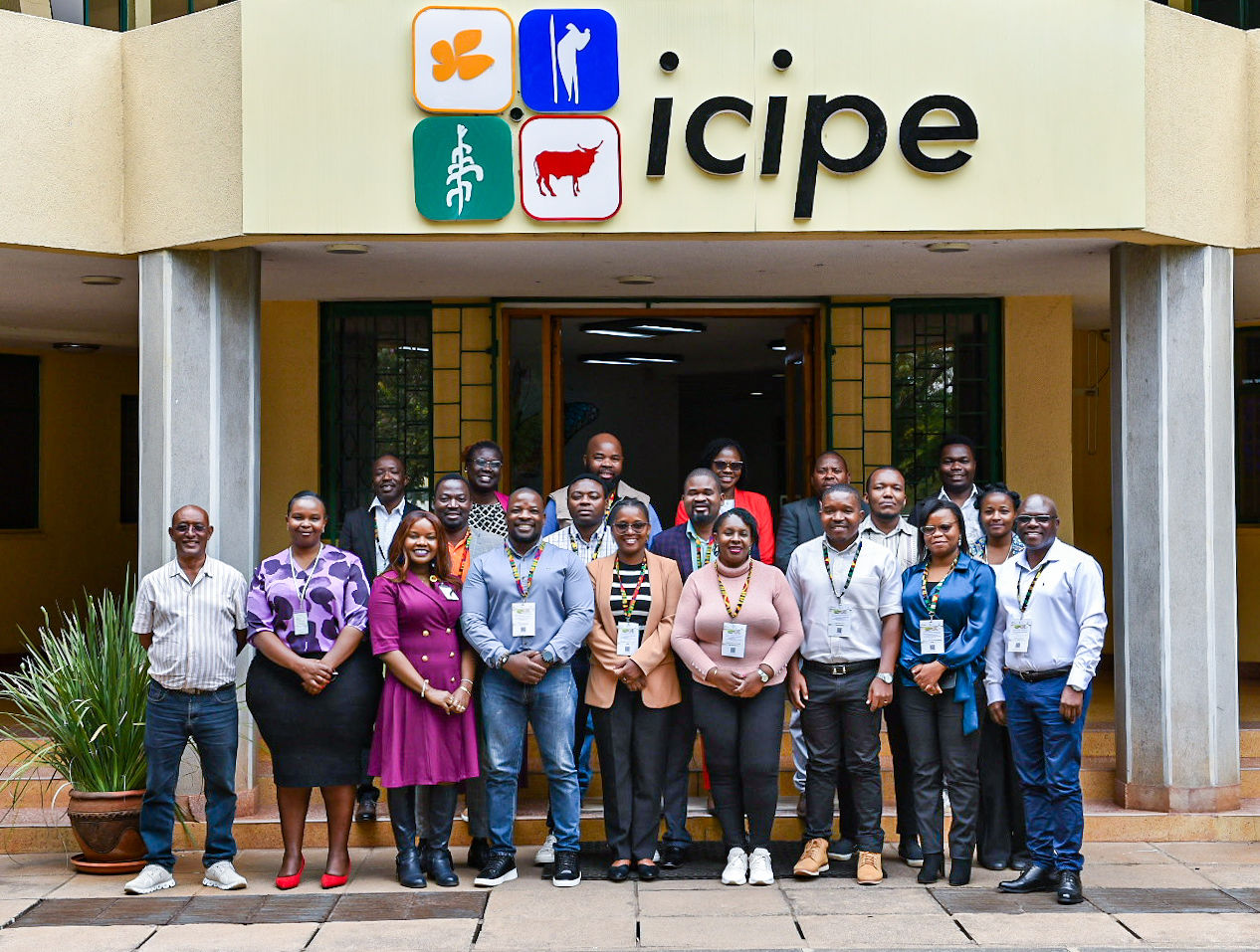
Representatives from five leading institutions — the Higher Polytechnic Institute of Manica (ISPM), Higher Polytechnic Institute of Gaza (ISPG), University Púnguè (UNIPUNGUE), Mozambique Agricultural Research Institute (IIAM), and University Eduardo Mondlane (UEM) —under the PASET-Rsif  Improvement for Skills Development in Mozambique (MozSkills) Project came to seek ideas that could shape the future of Mozambique’s agri-innovation policy. The visit involved a series of presentations and lab visits.

 Insights from icipe

In his opening remarks, Dr Julius Ecuru, Manager of the Rsif Regional Coordination Unit at icipe, said the visit underscored an important principle: innovation thrives where institutions create policies that support innovation, partnerships, and long-term investment in science. An idea that resonated deeply with the visiting team, many of whom are working to strengthen their own universities’ agri-innovation ecosystem back home.

Dr Ecuru who took the visitors through icipe’s journey and PASET-Rsif and BioInnovate Africa models also emphasized the importance of highly skilled workforce in Africa capable of driving innovation and business in the continent.

Dr Girma Hailu, Research Scientist and icipe’s Uganda Country Head, introduced the team to the institution’s innovation scaling and business acceleration approaches.

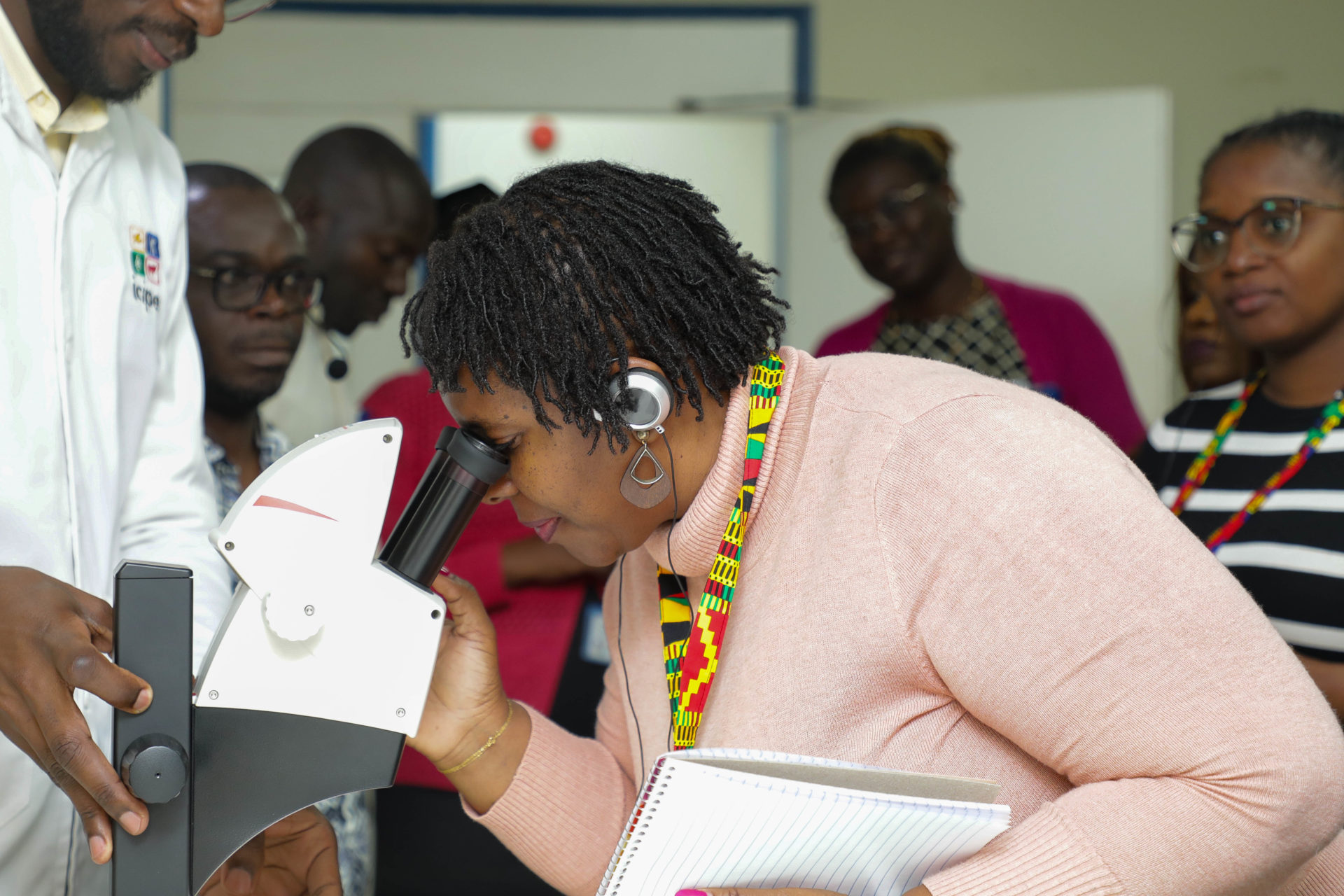
Prof Lubacha Zilhao, Director of the Office of Evaluation and Quality at the University Púnguè  (UNIPUNGUE) and coordinator of the MozSkills project  looks through a microscope at the Arthropod Pathology Unit
Prof Lubacha Zilhao, Director of the Office of Evaluation and Quality at the University Púnguè (UNIPUNGUE) and coordinator of the MozSkills project looks through a microscope at the Arthropod Pathology Unit. Photo/Janet Otieno

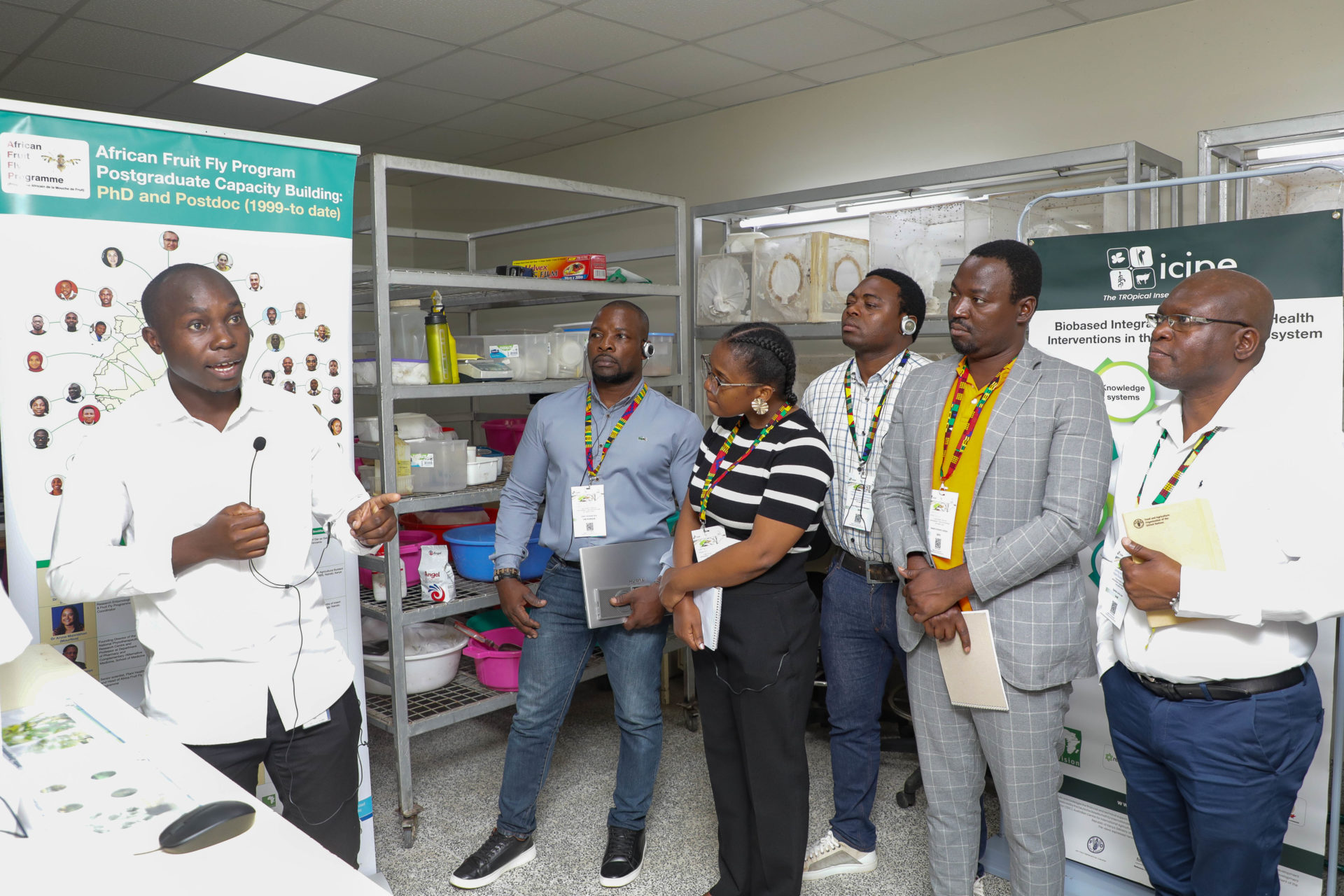
At the icipe’s Arthropod Pathology Unit, Dr Komivi Senyo Akutse, Scientist and Biopesticide Specialist, shared key processes and lessons on commercialising biopesticides.

Dr Shepard Ndlela, Scientist and Integrated Pest Management Specialist at icipe, provided insights into Integrated Pest Management strategies during the lab visit.

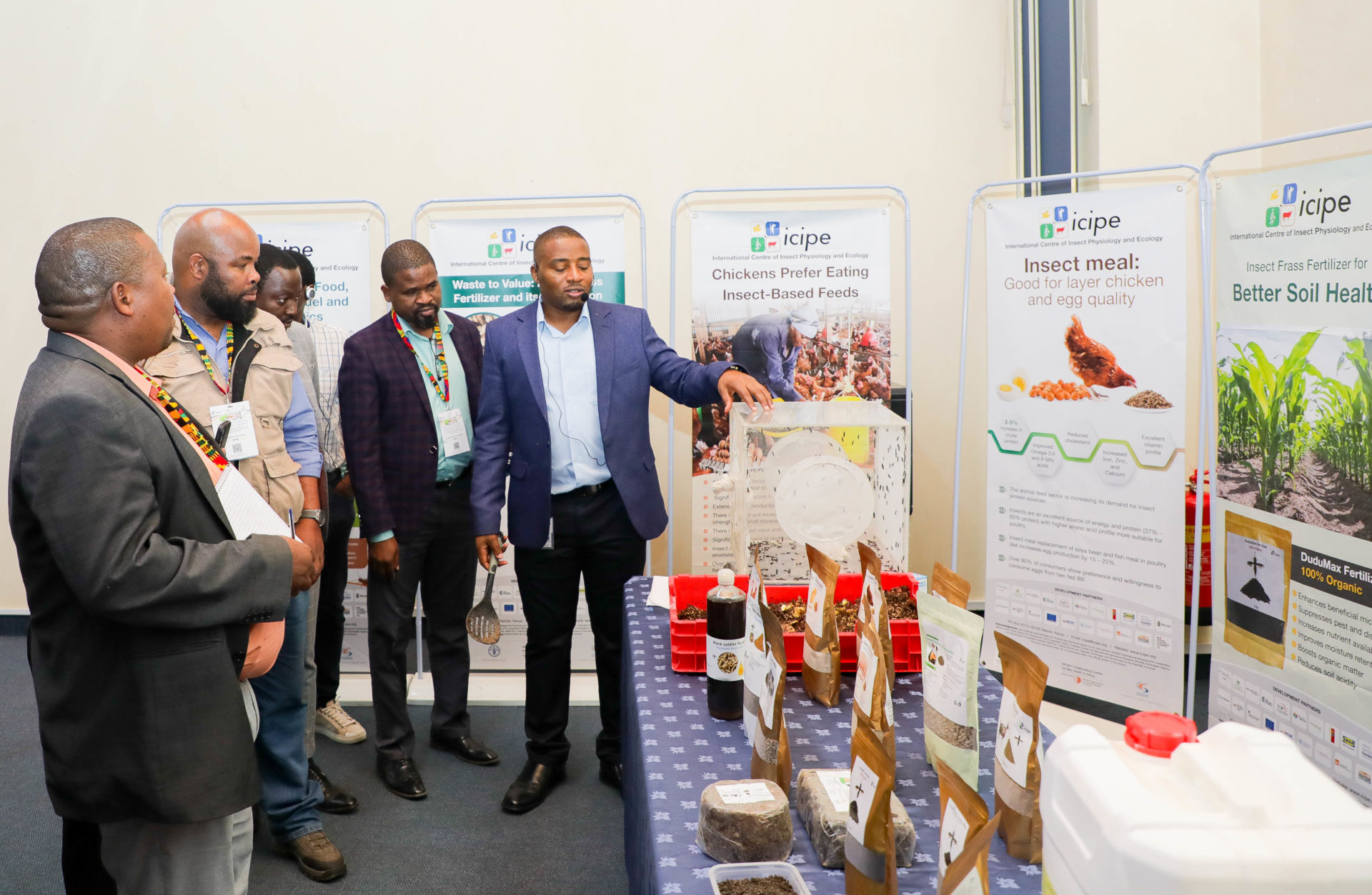
Dr Dennis Beesigamukama, Postdoctoral Fellow in Insect Frass Fertilizers and Soil Health under the Environmental Health Theme, guided the group through the Insects for Food and Feed (INSEFF) project and displayed a mini-exhibition demonstrating how insects can be transformed into food, feed, and organic fertilizer.

On her part, Dr Everlyn Nguku, icipe’s Head of Capacity Building, discussed the training programmes and partnerships that strengthen scientific skills and capacity.

Shira Mukiibi, Business Development Manager for BioInnovate Africa shared experiences on university-industry partnerships and technology commercialisation before leading a tour of the Bio-Venture Hub.

Finally, Ms Faith Amatika who is a senior legal officer at icipe, took the visitors through lessons on intellectual property (IP) management — a key aspect of translating research into marketable products.

The Mozambican researchers and academics following the discussion keenly.
The Mozambican researchers and academics following the discussion keenly. Photo/Sakina Mapenzi


Insights from the Mozambican delegation

Prof Lubacha Zilhao, Director of the Office of Evaluation and Quality at the University Púnguè  (UNIPUNGUE) and coordinator of the MozSkills project at the institution, noted that UNIPUNGUE would use the lessons from icipe’s approach to technology transfer and entrepreneurship to influence institutional and regional policies that sustain innovation and collaboration.

“The best way for the university to influence institutional and regional policies is by demonstrating in practice what is possible with the diversity of ecosystems around us. These results can then be shared with funders, government, and industry to advocate for policies that benefit all stakeholders and, ultimately, the community,” she said adding that the university has tools and knowledge so the most important thing is to produce institutional policies which would benefit the whole country. On what motivated her most during the visit was “learning various ways to use insects for our own benefit – as fertilizers, oils, food fortifiers, etc.”

Dr Arnaldo Uetela, a lecturer at the Higher Polytechnic Institute of Manica (ISPM) and MozSkills project coordinator at the institution, shared that after this visit, the institution would improve its selection criteria for incubatees. He explained, “We will not only go for creative arts companies as we have done in the past but also focus to science innovators. We are also working on our IP policy to promote our technological innovations.”

The Mozambican researchers and academics being Integrated Pest Management strategies during the lab visit
The Mozambican researchers and academics being Integrated Pest Management strategies during the lab visit. Photo/Janet Otieno

He added that Insects for Food and Feed (INSEFF) project particularly inspired him and would be the next project for ISPM incubation centre since they already have a lot of poultry farmers who struggle to get chicken feeds which is very expensive.  “We are going to focus on insects as chicken feed.”

Prof Custudios Ramos Paulo Tacarindua, Director of the Research Centre at the Higher Polytechnic Institute of Gaza (ISPG), said, “We already have research and incubation centre. After this visit, we are going to strengthen how we integrate research and innovation. We are going to continue with training in the communities so that they start their own businesses.’’

He added that at ISPG, they have policies for research and incubation but do not have for innovation but is being developed and is positive that it would be approved this year.

On what stood out for him about the visit were the labs where he observed that research on insects and production of biopesticides. “When we go back to ISPG, we will try to work towards producing biopesticides.’’

Dr Dennis Beesigamukama, Postdoctoral Fellow in Insect Frass Fertilizers and Soil Health under the Environmental Health Theme, guiding the group through the Insects for Food and Feed (INSEFF) project and displayed a mini-exhibition
Dr Dennis Beesigamukama, Postdoctoral Fellow in Insect Frass Fertilizers and Soil Health under the Environmental Health Theme, guiding the group through the Insects for Food and Feed (INSEFF) project. Photo/Janet Otieno

Prof Carlos Joao Quembo, a veterinary researcher at the Mozambique Agricultural Research Institute (IIAM), also shared his reflections: “We gained a lot of experience from icipe starting from the labs and the products being developed and the way they are packaged. We also learnt that collaboration with the private sector is very important.’’

As research institution, we would like to balance pure research and applied to strengthen our innovation capacity and links with the private sector, including farmers’ associations,” he stated adding that they are in the process of drafting the IP policy and the visit was timely since they were taken through the process of how to develop the same. He lauded how icipe has opened its doors to show them how to convert research into marketable value-added products.

Building enabling environments for agri-innovation

This learning visit highlighted the need for sustainable and supportive policies and institutional frameworks that ensure long-term impact of research and innovation in research and academic organisations. By observing icipe’s models of innovation and the ecosystem that supports it, the visiting scientists and researchers from Mozambique are taking home practical lessons to strengthen their own innovation systems — paving the way for a stronger, innovation-driven future economy of Mozambique.

Mozambique’s STEM Revolution: Unlocking Potential through Computational Mathematics at UniRovuma

The pulse of innovation is much alive in northern Mozambique at the University of Rovuma (UniRovuma) in Nampula Province as witnessed recently, by a team from the International Centre of Insect Physiology and Ecology (icipe) who visited the institution as part of the Improvement for Skills Development in Mozambique (MozSkills) project monitoring and evaluation.

Through a 2021 agreement, the Government of Mozambique, with support from the World Bank, committed USD 6 million to the icipe-managed Partnership for skills in Applied Sciences, Engineering and Technology – Regional Scholarship and Innovation Fund (PASET-Rsif). The investment is fuelling 40 PhD scholarships and 14 homegrown research and innovation projects.

A group photo with the University of Rovuma (UniRovuma) Rector and some members of staff when icipe team visited.

Research solving real world problems

One standout is UniRovuma’s leap into computational mathematics laboratory — training lecturers and students in modern tools like Python, mathematical modeling, and applied statistics. This room buzzing with the click of keyboards and the language of Python code is bridging the gap between traditional math education and the digital demands of today’s STEM fields, equipping graduates to solve real-world problems in industry and public service. This laboratory is now buzzing with the click of keyboards and the language of Python code.

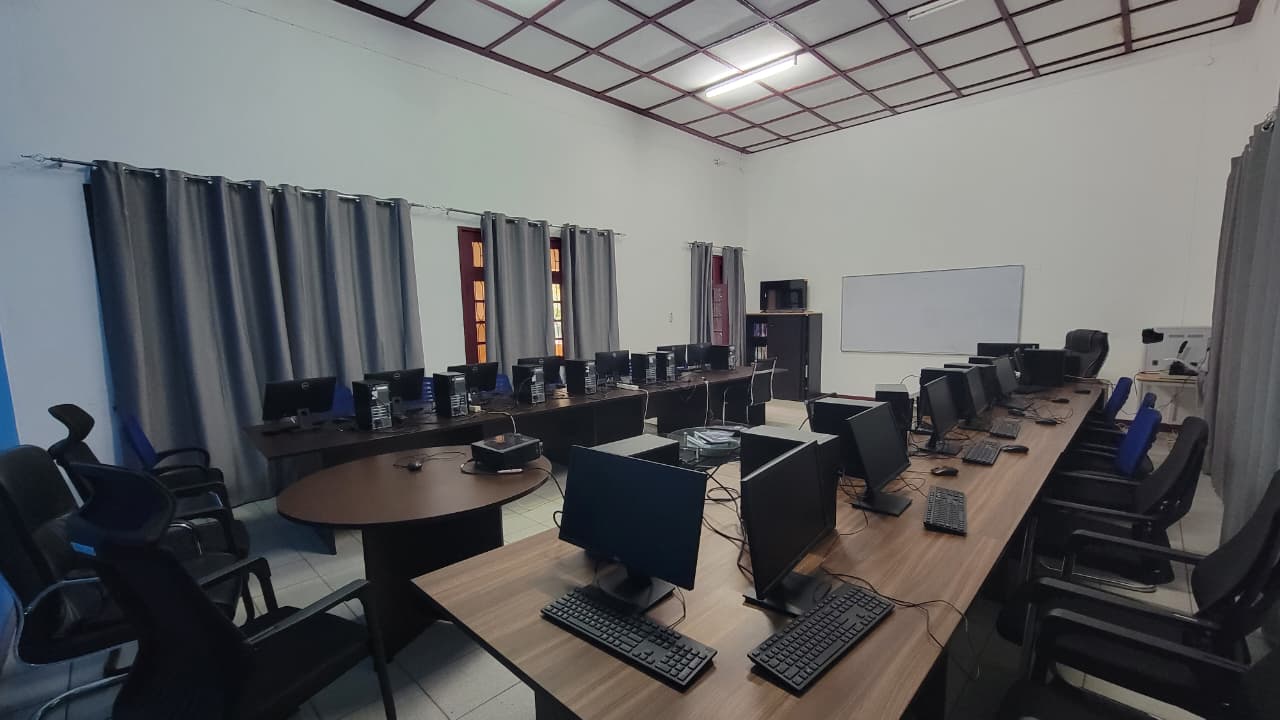
Mathematics laboratory at Unirovuma
Computational mathematics laboratory at UniRovuma

An interview with Dr Elisa da Conceição José Maria, the project lead at UniRovuma revealed that the innitiative arose from the need to strengthen practical and digital skills among lecturers and students, which were still limited and hindered the university’s ability to effectively contribute to research and development in STEM areas.

“The reliance on exclusively theoretical methods without computational tools left students insufficiently prepared to face technical challenges. Mozambique and the region urgently need data-driven approaches to tackle issues such as climate change, food security, and public health—making this project essential,” Dr Elisa stated.

She pointed out that originally, the UniRovuma emerged from the division of the former Universidade Pedagógica—a national university mainly focused on teacher training. After its division into five regional institutions, UniRovuma began serving the northern region of Mozambique and expanded its scope beyond education to include technical fields and STEM courses. However, this restructuring was not accompanied by the redistribution of laboratory resources or the creation of new infrastructure. The introduction of new programmes required lecturers to be trained in technical and computational content. The lack of adequate resources and the need to adapt to the new institutional model motivated the launch of this project.

PASET-Rsif/MozSkills support

The leap into computational mathematics at the UnRovuma has been made possible through PASET-Rsif/MozSkills support. With Rsif funding, the university established a fully equipped computational mathematics laboratory, complete with 18 computers, creating a dedicated space where students and lecturers can explore programming, mathematical modeling, and applied statistics in practice. It also has a smartboard, internet access, and teaching materials. Besides, it supported the training of 15 lecturers and more than 503 students in Python programming and mathematical modeling. It also facilitated the development of applied projects that connect mathematical theory to real-world challenges, the drafting of scientific articles, and funding for their publication. Based on the skills acquired by lecturers and students, a practical initiative was launched with a focus on activities, research, and outreach in computational mathematics, leveraging all the human and material resources created through the laboratory’s implementation.

Dr Elisa da Conceição José Maria
Dr Elisa da Conceição José Maria (C) who is the project lead and some of her colleagues.

Sustainability of the project

What sets Rsif’s support apart, according to Dr Elisa and her team members, is its flexibility and clear alignment with the institution’s strategic goals. Beyond funding, the programme is designed with sustainability in mind — ensuring that the skills, infrastructure, and research capacity being built today will continue to serve Mozambique’s development long after the project ends. This is unlike short-term interventions since Rsif funding enables long-term capacity building, including the training of local experts, support for gender inclusion, promotion of innovation in the national education system, and provision of essential materials for research. Moreover, it encourages scientific production through support for article publication.

The project is tackling long-standing gaps in mathematics education at UniRovuma. Dr Elisa states that until recently, programming had little presence in the curriculum, and many researchers relied heavily on commercial software such as SPSS, which limited flexibility and innovation. By introducing open-source tools and strengthening skills in mathematical modeling, the programme is equipping students and faculty with the versatility and analytical depth needed for modern STEM research and problem-solving. “It also addresses the disconnect between mathematics curricula and practical applications, especially in data analysis, geospatial computing, and predictive modeling. Key focuses include training lecturers in STEM methodologies, promoting real-world problem-solving, and preparing students for the job market,” she elaborates.

Translating theory into practice

Key technological solutions being developed include the integration of Python into the undergraduate curriculum, development of local training modules in computational modeling, and applied research projects using techniques such as time series analysis (ARIMA/SARIMA) and geospatial risk mapping.  “One highlight is the mathematical modeling of environmental phenomena. These approaches help translate mathematical theory into tools for solving practical problems,” Dr Elisa says.

Through a series of intensive training programmes, the initiative has strengthened the skills of both students and lecturers, equipping them with practical expertise in Python, data science, and mathematical modeling. Participants have also gained training in scientific article writing — a skill that not only supports academic success but also enhances their ability to share research findings with the wider scientific community. Dr Elisa highlighted that it has also promoted the leadership of female instructors and encouraged interdisciplinary research.

“Over 500 students have been trained, many of whom are now engaged in applied research and pursuing advanced studies. They are also using the skills they’ve learned to prepare their final year theses,” she revealed.

Collaboration and partnerships

Collaboration lies at the heart of the project, bringing together national, regional, and international partners to amplify its impact. The University of Porto,in Portugal for instance, trained the first cohort of lecturers in Python, providing a strong foundation for the computational mathematics programme. Locally, partnerships with institutions such as the Nampula Municipal Council and other universities in Nampula ensure the work remains closely tied to community needs and supports practical, real-world applications of the skills being developed. These collaborations increase the relevance of research, provide mentorship, and support the implementation of applied studies in real contexts. For some scientific papers, we also collaborate with researchers from local universities.

The project is closely aligned with Mozambique’s national development priorities of improving education quality, promoting scientific research, and developing digital skills and the new African Union’s Science, Technology and Innovation Strategy (STISA) 2034 pillars by contributing to knowledge production, technological innovation, and solutions to socioeconomic challenges through STEM education and applied mathematics.

The advances in computational mathematics through this project have far-reaching benefits across multiple real-world sectors, including agriculture—where it supports forecasting of prices and seasonal patterns; health—by enabling analysis of factors affecting maternal and child well-being; environment—through geospatial modeling of erosion risks and climate data; and education, where it strengthens the STEM curriculum and prepares the next generation of educators with vital computational skills.

Beyond mathematics, this project provides evidence-based tools and data analysis to support decision-making in municipal planning, agricultural policy, public health interventions, and educational reform. By training local researchers, it ensures sustainability and fosters innovation tailored to community needs.

Significant milestones

Since its inception, the project has already marked significant milestones including:Training of 15 lecturers and over 503 students in Python and modeling, implementation of applied research projects, establishment of a computational mathematics laboratory and iInclusive training structure with attention to gender.

Looking ahead, the team plans to expand training opportunities to postgraduate students, publish research findings and develop a postgraduate curriculum in computational mathematics.

In five years, the project envisions becoming a leading national and regional hub for computational mathematics—recognized for its innovative STEM education, robust regional partnerships, and impactful contributions to public policies in agriculture, health, and environmental planning.  Success will be measured not only by academic achievements and research publications but also by the tangible ways the programme empowers communities and drives sustainable development across Mozambique and beyond.

Student Startups Take Root in ISPM with MozSkills support

Through an agreement signed in 2021, the Government of Mozambique, through its World Bank-funded project on ‘Improvement for Skills Development in Mozambique (MozSkills)’, is investing USD 6 million in the icipe-managed, Partnership for skills in Applied Sciences, Engineering and Technology – Regional Scholarship and Innovation Fund (PASET-Rsif). Of the amount, USD 4.2 million is funding 40 Rsif PhD scholarships, while USD 1.8 million is dedicated to supporting 14 research and innovation projects  implemented by Mozambican higher education institutions. During a recent visit, an icipe team witnessed firsthand the progress being made through MozSkills projects.

One stand-out example is the Creation of Sustainable Student Companies as an alternative to self-employment at Instituto Superior Politecnico de Manica (ISPM), which aims to strengthen the innovation ecosystem within Mozambican higher education—ranging from a thriving vegetable farming initiative and a promising bean production project to innovative quail farming and a fast-growing poultry enterprise.

To gain deeper insight into this project and its potential, we spoke with key stakeholders involved in the project. In this second series of interviews, the project lead Dr Arnaldo Uetela shares his perspective on the initiative’s goals, challenges, and the transformative role it is beginning to play.

Q: Can you describe how this initiative is equipping students with practical skills and support to create sustainable companies, particularly in the agribusiness value chain?

A: Through the MozSkills project, students and graduates received training in entrepreneurship, business management, financial management, and business simulation. They were subsequently guided through registering their companies, taking the first steps toward launching and formalizing their businesses.

Q: What specific incubation services or mentorship models are being used  at ISPM to ensure that these student companies evolve into viable and lasting MSMEs?

A: The incubation services offered by the ISPM incubator are to provide infrastructure  -office equipped with computers and internet, production spaces and greenhouses. There is also technical assistance from several specialists that we have in the institution, and we also invite individuals with consolidated experience in specific business fields to mentor the students.

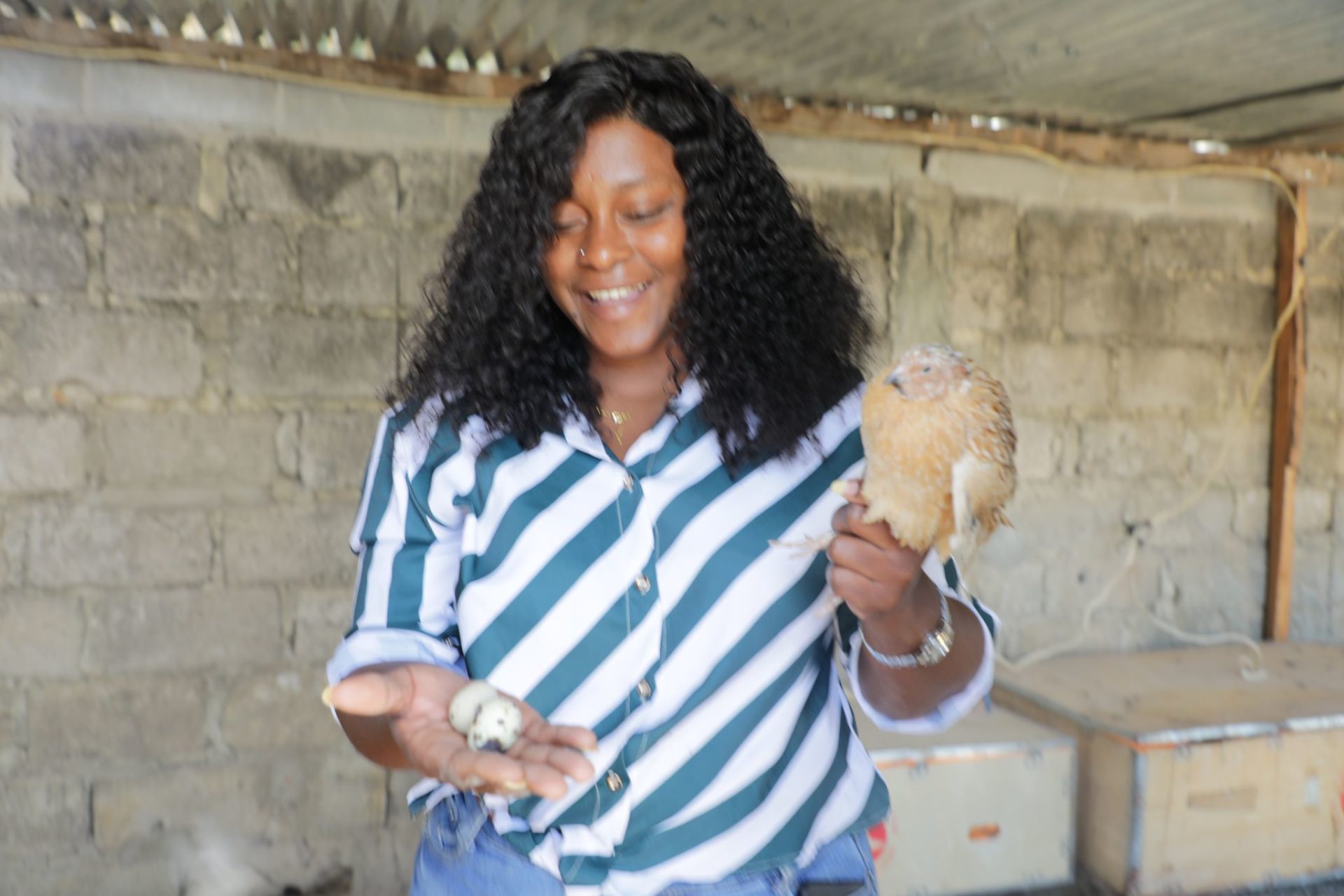
A former student at ISPM at her poultry farm.
A former ISPM student at her poultry farm.

Q: How is the project contributing to youth employment and entrepreneurship, and what success stories or early impacts can you share?

A: We are gradually seeing our incubated graduates earn a comfortable living from the businesses they established through this project. Some have even begun employing other young people in their  ventures. If you visit these projects, you will find one or two youths employed. Many young people do not necessarily land on the job market after completing their university education and this initiative encourages the young people to embark on entrepreneurship.

Although it’s still too early to say these businesses are highly successful, the poultry rearing project is on the right track in terms of promoting employability and entrepreneurship.

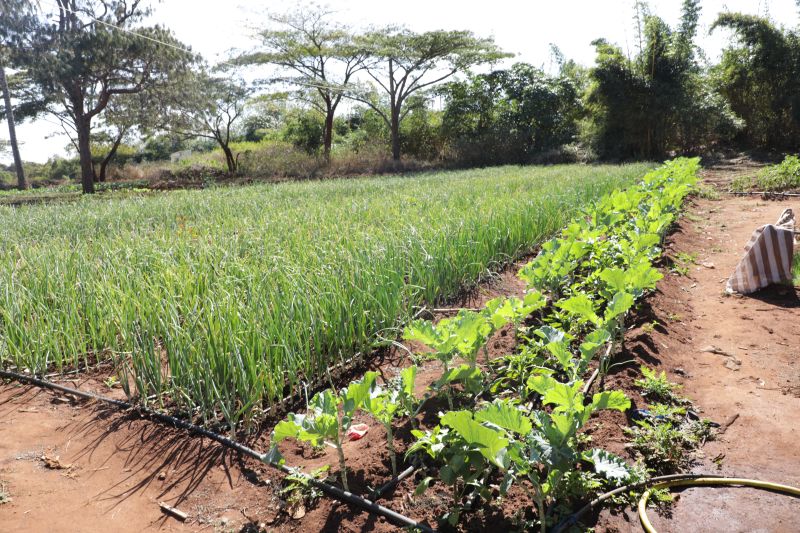
A thriving onion farm at ISPM

Q: What challenges have you encountered in stimulating the emergence of MSMEs through this approach, and how are you addressing them?

A: The challenges encountered in this MSME creation process include the withdrawal of some incubated companies during the process, excessive bureaucracy in registering incubated companies by regulatory agencies, and delays in funding disbursements.

Q: How has the support from Rsif enhanced the implementation and impact of this project, and what value has it brought to the students and wider ecosystem?

A: Rsif’s support was very instrumental in all aspects; from the initial training sessions to setting up the project management team to equipping the facilities for incubators and providing funds for business creation.

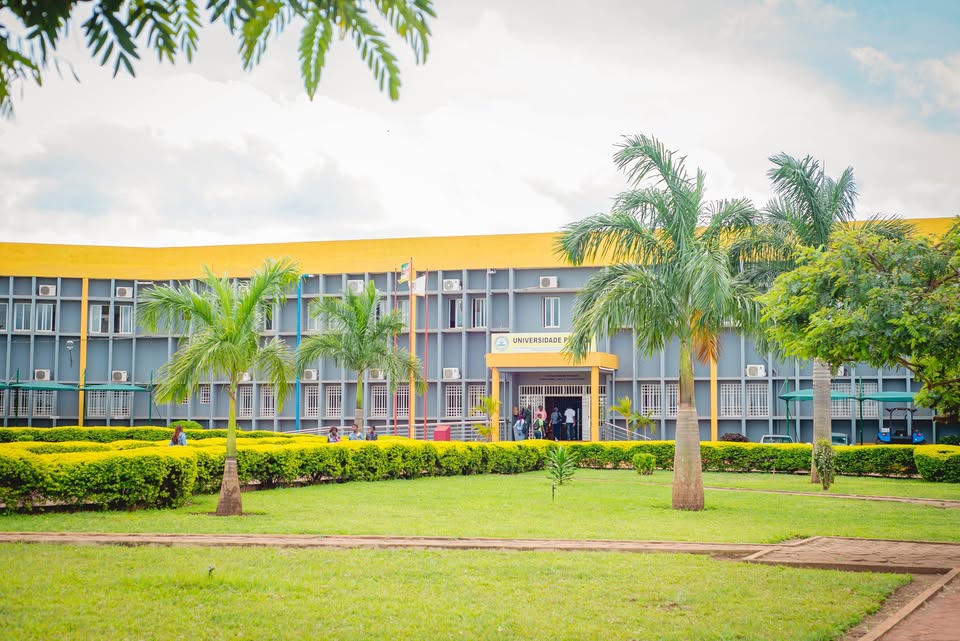
Driving Innovation in Mozambique: Inside the IETUPUNGUE Project at UniPúnguè

As the sun rose over the misty hills of Chimoio in central Mozambique, our delegation from The International Centre of Insect Physiology and Ecology (icipe) felt a sense of eager anticipation. We were on a mission to witness firsthand the progress of the PASET-Rsif/MozSkills-supported IETUPUNGUE Project at Universidade Púnguè (UniPúnguè)—and what we found was truly inspiring.

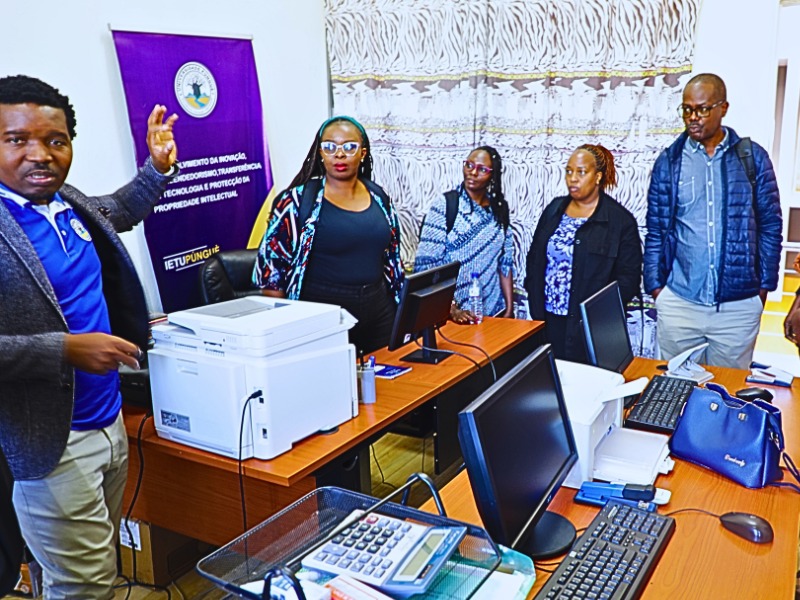
From the moment we arrived, it was clear that something powerful is unfolding here. Professor Lubacha Zilhão, the IETUPUNGUE Project Coordinator, walked us through the initiative’s milestones—each one a step toward transforming how innovation, technology transfer, and intellectual property are nurtured in Mozambican universities.

Equally memorable was the warm welcome from UniPúnguè’s leadership. The Rector, Prof Emília Afonso Nhalevilo expressed deep appreciation for the collaboration with icipe under the PASET-Rsif/MozSkills project, emphasizing the importance of such partnerships in strengthening the university’s capacity and regional influence. Her message was clear: continued collaboration is not just welcome—it’s essential for sustaining momentum.

Unipungue Rector Professor Emília Nhalevilo receiving memorabilia from Ms Cynthia Orango Rsif Research and Innovation Grant Officer
Unipungue Rector Prof Emília Afonso Nhalevilo receiving memorabilia from Ms Cynthia Orang’o Rsif Research and Innovation Grant Officer.

Another striking moment for me was visiting the university’s new Innovation Incubator Unit. Still fresh with possibility, the space is more than a building—it’s a commitment to empowering students, faculty, and communities to create real-world solutions. You could feel the energy of potential in the air.

UniPúnguè Innovation Incubator Unit
The newly established UniPúnguè Innovation Incubator Unit. Photo/ Janet Otieno

This visit wasn’t just an evaluation—it was a chance to see how far vision and collaboration can go. Through Rsif and MozSkills, UniPúnguè isn’t just growing—it’s becoming a beacon of innovation for the region.

We also had the chance to speak directly with Prof Zilhão about the project’s journey, challenges, and what lies ahead and here is what she had to say;

Q: What motivated the launch of this project, and why is it important for Mozambique and the region?

A: The launch of this project was driven by the need to strengthen the innovation capacity of the UniPúnguè university community (faculty, researchers, administrative staff, and students) to increase innovations and enable patenting. Many innovative projects were forgotten due to a lack of awareness about innovation and technology transfer within our university. This project is important for the country because, through innovation, Mozambique can stand out globally and become more competitive.

Q: How is this project contributing to the development of policies at the University?
A: The project has greatly benefited the university by enabling the development of two key policies to promote innovation: the Innovation and Technology Transfer Policy and the Intellectual Property Protection Policy.

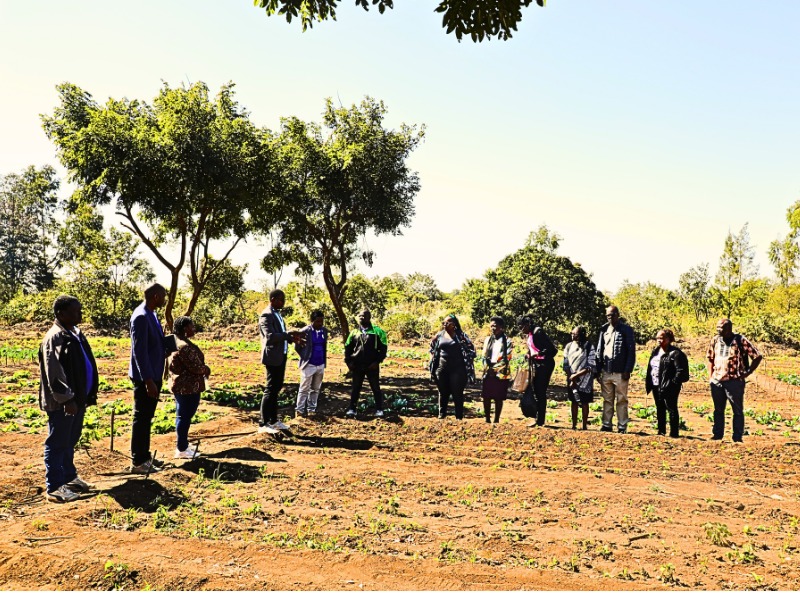
The icipe delegation flanked by IETUPUNGUE team visiting one of the projects
The icipe delegation flanked by IETUPUNGUE team visiting one of the projects at the institution’s agricultural field.

Q: How does the project align with Mozambique’s development goals, and how will it benefit the community or public policymakers?

A: Mozambique’s National Development Strategy (ENDE) 2025-2044 highlights technological innovation as a key pillar for economic growth and development. The same document notes that reliance on sectors like agriculture and extractive industries has limited economic diversification, making the country vulnerable to external shocks, with limited economic growth, innovation, and competitiveness. This weakness in innovation underscores the need for projects like this to boost innovation in universities and communities.
Additionally, innovation and entrepreneurship are priorities in Mozambique’s current National Education System. For instance, the Secondary Education Curriculum Plan (2022) states that by the end of the first cycle of secondary education, students should be entrepreneurial, creative, critical, and self-confident in performing tasks or solving problems, both in and out of school—skills that align with the ability to innovate. In the medium term, UniPúnguè can train schools to strengthen these competencies.

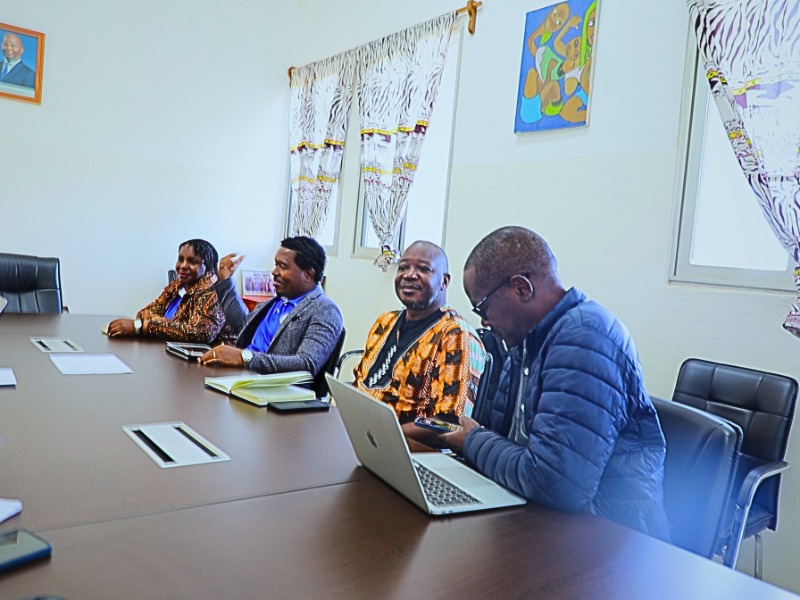
IETUPUNGUE team and icipe's team holding a discussion about the progress of the project. icipe's delegation was led by Dr Michael M. Kidoido, Senior Monitoring, Evaluation and Learning Specialist
IETUPUNGUE team and icipe’s team holding a discussion about the progress of the project. icipe’s delegation was led by Dr Michael M. Kidoido, Senior Monitoring, Evaluation and Learning Specialist (second right)

Q: What milestones have been achieved so far, and where do you see this project in the coming years?

A: We have developed two policies: the Innovation and Technology Transfer Policy and the Intellectual Property Protection Policy.

  • We have trained faculty, researchers, administrative staff, and students on innovation and technology transfer.
  • We are currently forming partnerships with institutions experienced in innovation, technology transfer, and intellectual property protection, such as the Pedro Nunes Institute at the University of Coimbra and the European Patent Office (EPO).
  • We recently established a business incubator to drive innovation at the university.
  • We are preparing for the first University Innovation Fair on September 23, which will include not only university students but also participants from other universities, schools, companies, and individuals.
    We hope that, through the partnerships we are building, the technology transfer office will become a national reference.

Q: What makes the support from Rsif valuable for your institution?
A: The support from Rsif is valuable because:

  • It has awakened the university to the need to promote innovation.
  • It has supported the promotion and strengthening of research and innovation capacity, recognition of scientific and technological output, and the development of institutional policies and strategies for technology transfer and intellectual property protection.
  • It has increased the need to transfer knowledge generated at the university for the benefit of communities.
  • It has facilitated the creation of national and international partnerships related to technology transfer and intellectual property protection.


Mozambique universities commit to improving their intellectual property management practices

Scientists and experts from six Mozambique universities and research organisations came together in a three-day workshop on 22-24 April in Maputo to develop action plans for intellectual property (IP) management in Mozambican higher education institutions. The workshop brought together 32 participants including 12 women from universities and research institutes across the country, including a team from the International Centre of Insect Physiology and Ecology (icipe), which manages the PASET Regional Scholarship and Innovation Fund (Rsif).

An effective IP management is a critical part of an innovation system. IP are the creations of the mind, which are protected through patents, copyrights, and trademarks. Universities and research institutes can license their IP to private companies, which put them to industrial or commercial use. In this way, universities contribute to growth and development, when the out put of their research is put to use in the production of goods and services.

In her opening remarks, Dr Sheila Canda, Director of Mozambique’s Intellectual Property Institute stressed the importance of IP protection for national development. “The key role of the institute in supporting researchers is to protect novel ideas from their research work.  Researchers need to embrace a culture of protecting their intellectual assets which will ultimately increase the number of protection rights in the form of patents, trademarks etc from higher education institution.”

Dr Fernando dos Santos, an IP expert who facilitated the workshop said, “There are several strategies that institutions can adopt to promote innovation and technology transfer within higher education and research centres across the country. However, for these strategies to be effective, it is critical to strengthen the linkages between innovation, technology transfer, and intellectual property management. This integration is key to fostering a strong culture of entrepreneurship among students and faculty in Mozambican institutions.”

Ms Cynthia Orangó, the Research and Innovation grants officer of Rsif underscored the role of universities in driving economic transformation through innovation. She said, “There is a need to co-create actionable, context-specific plans that will strengthen research translation, IP protection, and entrepreneurship in higher education institutions across Mozambique.”

Key sessions featured insights from Prof Manuel Rebelo who talked about Mozambique’s innovation policy landscape. Other presentations were on IP registration processes, and experiences from universities and research centres, including Eduardo Mondlane University (UEM), among others. Panel discussions highlighted lessons in developing effective IP policies to foster university-industry linkages.

By the end of the workshop, all participating institutions had drafted tailored action plans to improve their innovation ecosystems, marking a critical step toward advancing research commercialization by Mozambique’s universities and research organisations.

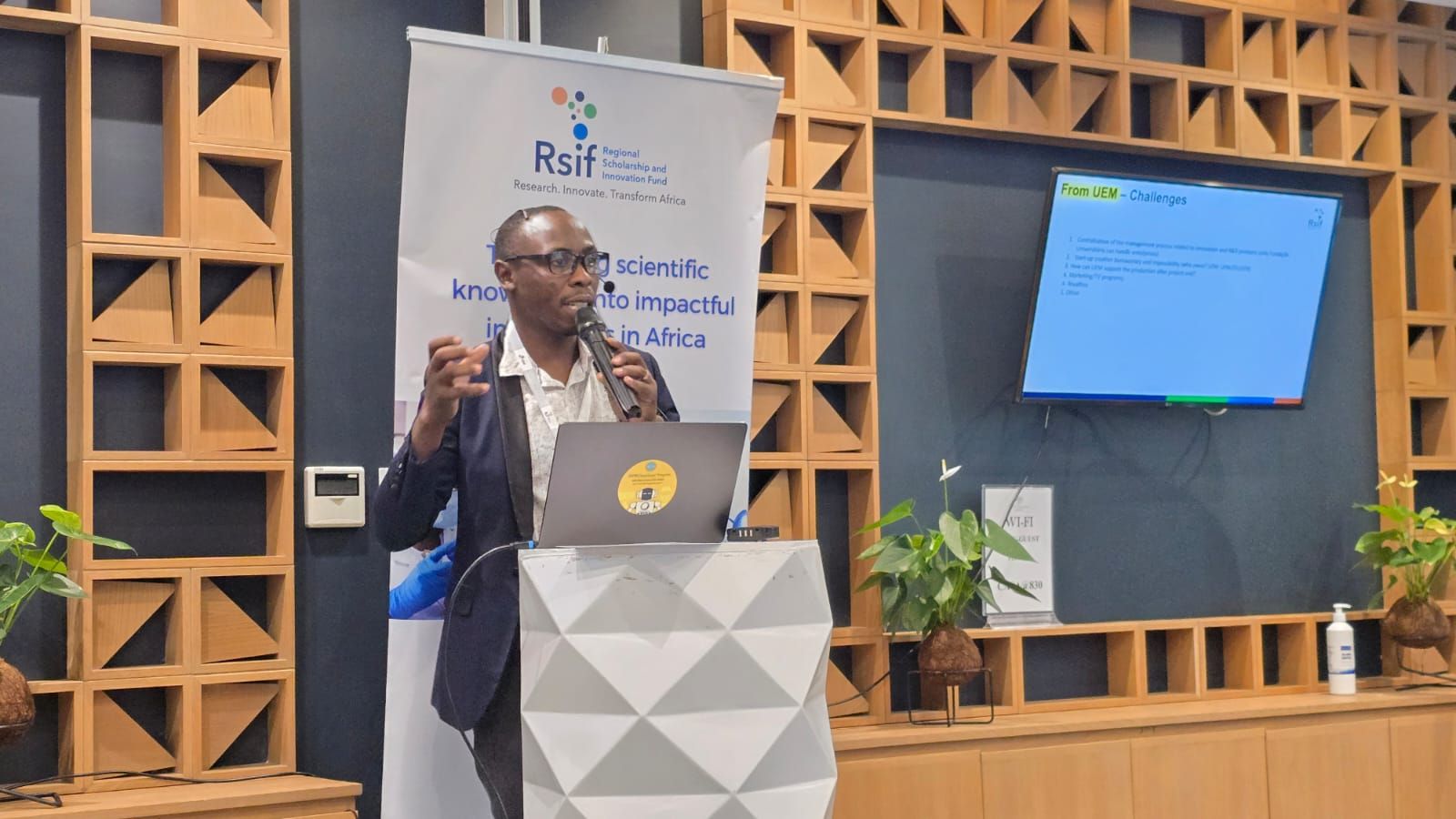
Egas Armando, Rsif Scholar and faculty member at Universidade Eduardo Mondlane, shares insights on how Business Incubation Centres and Technology Transfer Offices are helping universities turn ideas into real-world impact at the workshop.

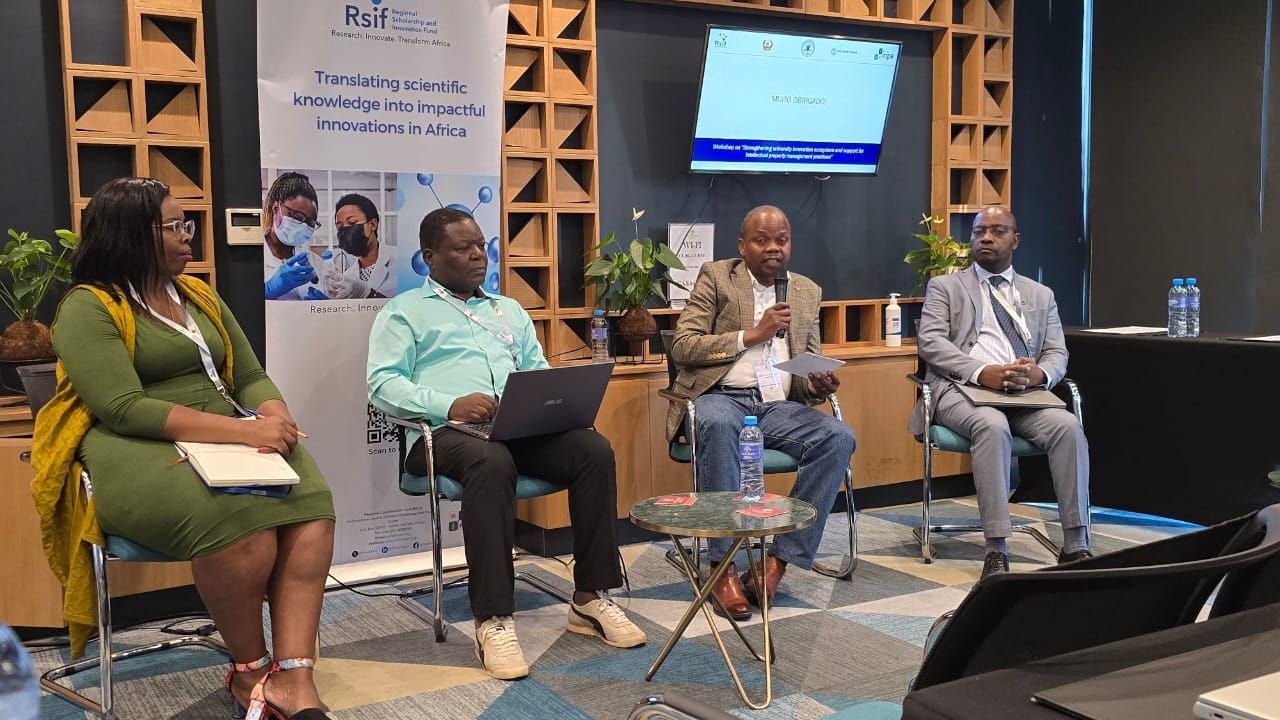
The workshop was organised with the theme, “strengthening university innovation ecosystem and support for intellectual property management practices”, and specifically targeted Mozambique universities and research organisations that are benefiting from Rsif/ MozSkills project’s Institutional Innovation Capacity Building Program (ICBP).

Rsif s a flagship initiative of the Partnership for Skills in Applied Sciences, Engineering and Technology (PASET). It is implemented by icipe as the Regional Coordination Unit (RCU) since August 2018. Rsif’s development objective is to strengthen the institutional capacity for quality doctoral training, research, and innovation in transformative technologies in Sub-Saharan Africa (SSA). Mozambique is a member of the PASET. It contributes to the Rsif through its Improvement for Skills Development (MozSkills) project. Through this contribution, Mozambique is supporting 40 PhD scholars (32 Mozambican) and 14 research and innovation projects across eight Mozambican higher education institutions and one research centre are being supported.